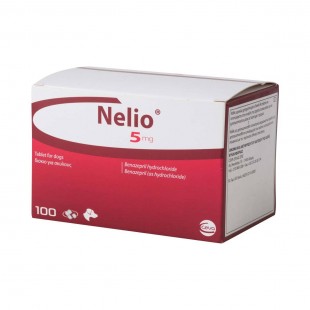
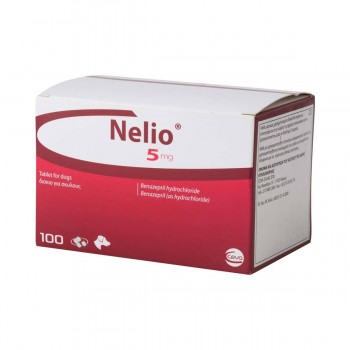
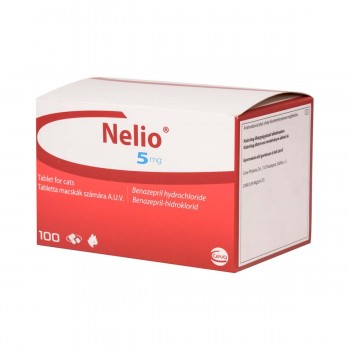
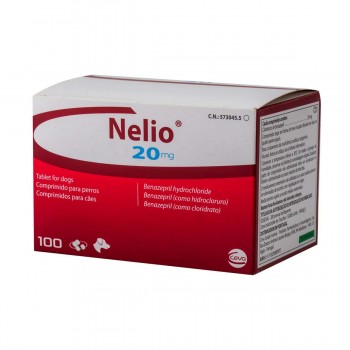
Nelio Tablets are a veterinary prescription medicine used in both cats and dogs. They are commonly prescribed for congestive heart failure in dogs and for chronic renal insufficiency in cats. Both conditions are usually managed rather than cured, and many pets can stay comfortable with the right combination of medicine, diet, and monitoring.
VETERINARY PRESCRIPTION REQUIRED
Nelio Tablets are used under veterinary direction, often alongside other treatments, and they work best when given consistently. Nelio supports circulation and organ workload, rather than mask symptoms, so improvements are often measured through breathing rate, energy levels, and follow‑up tests.
Nelio Tablets work by moderating a key body system involved in blood pressure and fluid balance, called the renin–angiotensin–aldosterone system (RAAS). In congestive heart failure and chronic kidney disease, the RAAS can become overactive, leading to vas...
Nelio Tablets are a veterinary prescription medicine used in both cats and dogs. They are commonly prescribed for congestive heart failure in dogs and for chronic renal insufficiency in cats. Both conditions are usually managed rather than cured, and many pets can stay comfortable with the right combination of medicine, diet, and monitoring.
VETERINARY PRESCRIPTION REQUIRED
Nelio Tablets are used under veterinary direction, often alongside other treatments, and they work best when given consistently. Nelio supports circulation and organ workload, rather than mask symptoms, so improvements are often measured through breathing rate, energy levels, and follow‑up tests.
Nelio Tablets work by moderating a key body system involved in blood pressure and fluid balance, called the renin–angiotensin–aldosterone system (RAAS). In congestive heart failure and chronic kidney disease, the RAAS can become overactive, leading to vasoconstriction, increased blood pressure, and fluid retention. Nelio Tablets belong to a group of medicines known as ACE inhibitors. By reducing the formation of angiotensin II, they help blood vessels relax (vasodilation) and reduce hormonal signals that promote sodium and water retention.
In dogs, this can lower the resistance the heart pumps against (afterload) and support more efficient circulation.
In cats, the same mechanism can help lower pressure within the kidney’s filtering units (glomeruli), which may reduce proteinuria and support a steadier kidney workload. Your vet will still monitor kidney values and blood pressure, because the goal is supportive control that remains safe for your individual pet.
In dogs with congestive heart failure, the heart cannot pump blood efficiently enough to meet the body’s needs, and fluid can build up where it should not be, most often in the lungs (pulmonary oedema) or sometimes in the abdomen. Signs can be subtle at first, so it helps to know what to watch for between appointments:
- A persistent cough that becomes more frequent, especially at night or after mild activity, can suggest fluid in the lungs.
- Faster breathing at rest, or increased effort when breathing, can indicate pulmonary congestion.
- Reduced stamina, weakness, or reluctance to exercise can reflect reduced cardiac output.
- A swollen abdomen or rapid weight gain can occur when fluid accumulates.
Nelio Tablets are commonly used as part of combination therapy for canine congestive heart failure, because different medicines address different problems. A diuretic may remove excess fluid, while other heart medicines may support pumping ability or help regulate rhythm. By easing blood vessel constriction and reducing fluid‑retaining signals, Nelio Tablets can help decrease the workload on the failing heart as your vet fine‑tunes the overall treatment. At home, your vet may ask you to monitor resting breathing rate or note changes in coughing, because these practical observations can guide timely dose adjustments.
In cats, chronic renal insufficiency (also called chronic kidney disease) develops when kidney tissue gradually loses function, so the kidneys cannot concentrate urine effectively or clear waste products as well as before. The result can be dehydration, nausea, reduced appetite, weight loss, and sometimes hypertension. Many cats also develop proteinuria, where measurable protein is lost in the urine, and this can be a sign of ongoing kidney damage. Nelio Tablets may be used to support kidney health by lowering pressure within the glomeruli and reducing protein leakage, which can be one part of a wider approach to slowing progression. Signs to discuss with your vet include:
- Drinking and urinating more than usual can be an early clue that the kidneys are struggling to concentrate urine.
- Poor appetite, nausea, lip‑licking, or occasional vomiting can occur as waste products build up (azotaemia).
- Weight loss and reduced muscle condition can develop gradually, even if your cat seems otherwise bright.
- Dull coat, lethargy, or hiding more than usual can reflect feeling generally unwell.
Alongside Nelio Tablets, your vet may recommend a renal diet, phosphate management, anti‑nausea support, or hydration strategies, because chronic renal insufficiency is usually best managed with several gentle measures working together. Follow‑up checks may include urine tests for protein levels and blood tests for creatinine and urea, so the treatment plan can be adjusted to your cat’s stage and response.
Most pets take Nelio Tablets once daily, although your vet will decide the dose and schedule based on body weight, test results, and any other medicines. The aim is consistent daily support, so giving Nelio Tablets at roughly the same time each day is helpful. The tablets are often easy to give with a small amount of food or a treat, and some pets take Nelio Tablets directly by mouth. Do not change the dose, stop treatment suddenly, or alter how you give the tablets unless your vet advises it, because accurate dosing matters in conditions involving blood pressure and kidney perfusion. If you miss a dose of Nelio Tablets, you typically give the next dose as normal rather than doubling up, but follow your vet’s specific instructions.
As with any medicine that influences blood pressure and kidney blood flow, monitoring is part of using Nelio Tablets safely. Some pets may have vomiting or diarrhoea, reduced appetite, or mild lethargy when starting Nelio Tablets or after a dose change, and these effects are often temporary but should still be reported. Low blood pressure (hypotension) can occasionally cause weakness or wobbliness, particularly if a pet is dehydrated or is also taking a diuretic. Your vet may recommend periodic blood tests (for example urea and creatinine) and, where appropriate, blood pressure checks to make sure Nelio Tablets remain appropriate over time. Extra caution is usually needed if a pet has vomiting, diarrhoea, poor fluid intake, or is receiving medicines that can affect the kidneys such as NSAIDs, because the combination can reduce kidney perfusion. If you notice breathing difficulty, collapse, marked weakness, or sudden worsening thirst and urination while on Nelio Tablets, seek veterinary advice promptly.
What are Nelio Tablets used for in dogs?
Nelio Tablets are commonly prescribed to dogs with congestive heart failure. They support circulation by helping blood vessels relax and by reducing hormonal signals that encourage fluid retention. They are usually one part of a wider plan that may also include a diuretic and other heart medicines chosen by your vet.
How do Nelio Tablets help in congestive heart failure?
In congestive heart failure, the heart works harder against increased resistance, and fluid can build up in the lungs. Nelio Tablets help reduce that resistance (afterload) and dampen fluid‑retaining pathways. This can make it easier for the heart to pump and can support steadier breathing alongside other prescribed treatments.
Do Nelio Tablets lower blood pressure?
Nelio Tablets can lower blood pressure because they reduce angiotensin‑driven vasoconstriction. That effect is often helpful in heart disease and some kidney cases, but it also means monitoring matters. If your pet seems unusually weak, wobbly, or lethargic after starting treatment, contact your vet for advice.
How quickly do Nelio Tablets start working?
The medication begins affecting the RAAS soon after dosing, but visible improvement varies. Some dogs breathe more comfortably within days as the overall plan is adjusted, while cats with chronic renal insufficiency may show benefits over weeks through more stable protein levels and follow‑up results. Your vet will guide expectations.
What side effects should I watch for with Nelio Tablets?
Possible side effects include vomiting, diarrhoea, reduced appetite, and mild lethargy, especially when treatment starts or the dose changes. Because Nelio Tablets can lower blood pressure, weakness or wobbliness is also possible. Any breathing difficulty, collapse, or severe signs should be treated as urgent and assessed by a vet.