Non-prescription dog medications can be useful for everyday problems such as parasites, mild digestive upset, stiffness, dental plaque, ear wax, dry skin and short-term anxiety. Non-prescription dog medications may help maintain comfort while a minor problem settles, but they should not be used to mask persistent pain, infection or systemic illness. Puppies, pregnant or nursing dogs, animals taking other medicines and dogs with renal, hepatic, cardiac or endocrine disease may need veterinary advice before treatment. Never give a dog a human painkiller unless a veterinary surgeon has specifically directed it.
Parasite control is one of the most common non-prescription dog medications. Drontal Plus Flavour Tablets and Drontal Plus XL are weight-based wormers for common intestinal roundworms and tapeworms, while Panacur is available as granules, paste or 10% suspension. Flea products include Frontline Spot On, Advantage, and Capstar tablets for rapid control of adult fleas. Household sprays such as Indorex, RIP Fleas Extra or Frontline HomeGard may be needed because most flea life stages are in the home. When using non-prescription dog medications for parasites, weigh the dog accurately, treat every suitable pet in the household, wash bedding and keep dog-only products safely away from cats.
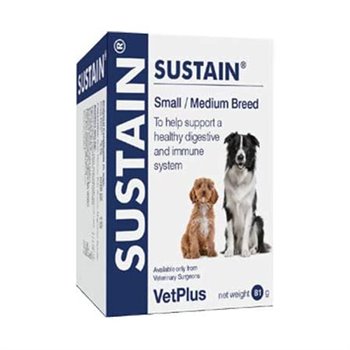
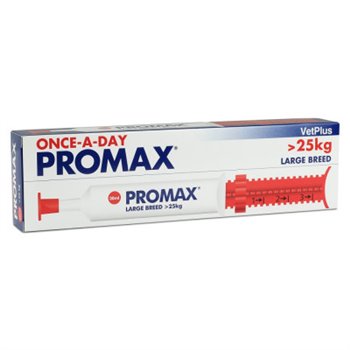
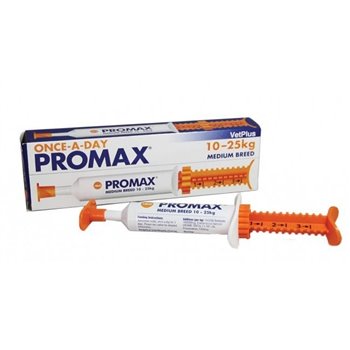
For gastrointestinal problems, non-prescription dog supplements may be appropriate when a dog is otherwise bright, hydrated and experiencing only a brief episode of soft stools. Pro-Kolin Advanced, Canigest Paste, FortiFlora Canine sachets and Promax are intended to help normalise stool quality and maintain the gastrointestinal microbiota. Depending on the formulation, they may contain probiotics, prebiotics, binding agents or nutrients for the intestinal mucosa. Keep fresh water available and avoid sudden diet changes or rich treats. Vomiting, blood or black faeces, abdominal pain, dehydration, lethargy, repeated diarrhoea or symptoms lasting more than a day in a puppy require veterinary assessment. Our range of non-prescription dog medications also includes Cystopro capsules and Urinaid Canine tablets for longer-term bladder care.
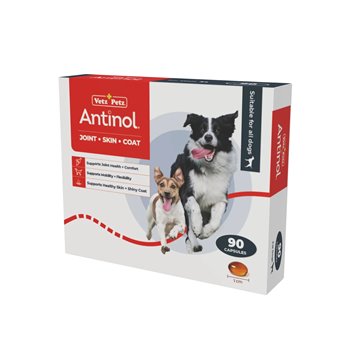
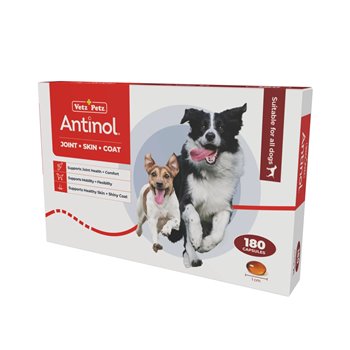
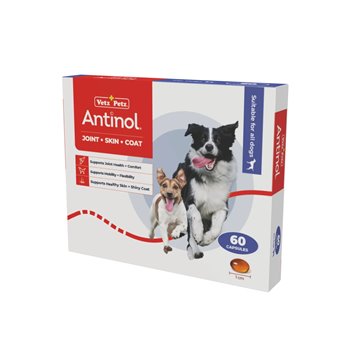
YuMOVE Joint Care, Stride Plus Liquid, Flexadin chewable tablets, Antinol gel capsules, Dasuquin chewable tablets and Synoquin EFA capsules are dog supplements to help with mobility and healthy ageing. They may suit dogs becoming slower on walks, hesitant on stairs or stiff after rest, although lameness and osteoarthritis can be painful and deserve a veterinary examination. A supplement should not be used as a substitute for clinically appropriate pain relief, weight control, controlled exercise or physiotherapy. For older dogs showing altered sleep, house-soiling, disorientation or reduced interaction, products such as Aktivait, Nutravet Nutramind and Pharmadiet Cognidine are designed for cognitive ageing. Samylin sachets or tablets, Protexin Denamarin in 90mg, 225mg and 425mg sizes, and Hepatosyl Plus are available for nutritional liver care. These non-prescription dog medications are most useful within a monitored plan because cognitive dysfunction, hepatic disease and musculoskeletal pain can produce similar changes in behaviour or activity.
Skin, coat, ear, eye and dental products make non-prescription dog medications useful for regular hygiene and minor concerns. Allerderm Dry and Scaly Skin Shampoo is aimed at xerosis and scaling, while DOUXO S3 PYO Shampoo or pads, Ermidra foam and Onychotin biotin capsules offer skin-barrier and coat-care options. CleanAural for Dogs, CleanAural Sensitive, Auraleze and Sonotix can loosen cerumen and debris, but they do not replace examination and cytology when otitis externa is painful, malodorous or producing discharge. CleanOcular Eye Bath can remove superficial debris, and Lubrithal Ophthalmic Gel provides lubrication; squinting, corneal cloudiness, trauma or a suddenly red eye needs urgent veterinary attention. Dental choices include ProDen PlaqueOff powder, Virbac Enzymatic Toothpaste, Plaqtiv products, Vet Aquadent and veterinary toothbrushes. Consistent home care may reduce plaque accumulation and halitosis, but established calculus and periodontal disease require professional assessment. Activon Manuka Honey, Derma Gel Spray, Melolin dressings and cohesive bandages may suit superficial wounds, while bites, deep injuries, heavy bleeding and infected tissue need a vet.
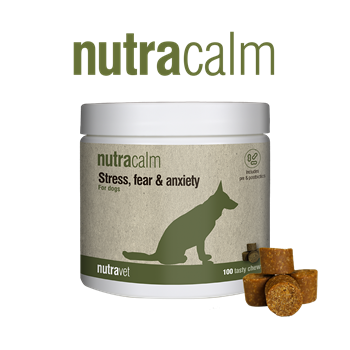
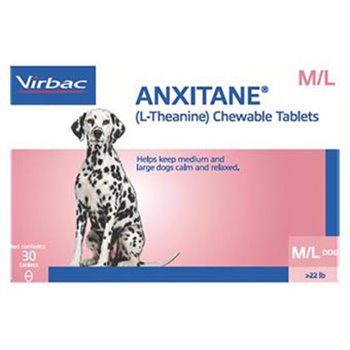
Behavioural supplements can help some dogs cope with predictable stressors and are generally intended for calming care rather than sedation. Adaptil diffusers, collars and sprays use dog-appeasing pheromone signals, while Zylkene capsules in 75mg, 225mg and 450mg sizes, Calmex for Dogs, Anxitane chewable tablets, Pet Remedy and Nutravet Nutracalm chews use different nutritional or non-drug approaches. They may be considered for travel, fireworks, visitors, moving home or kennel stays, ideally alongside gradual desensitisation, counterconditioning and a calm routine. Severe or sudden anxiety accompanied by aggression, self-injury, panic, pain or cognitive change needs professional assessment. Before combining non-prescription dog medications, compare active ingredients and intended uses, and check the minimum age, weight band, dosing interval and contraindications. Stop using a product and seek advice if the dog develops swelling, breathing difficulty, collapse, repeated vomiting, tremors, seizures or another unexpected reaction. A dog that cannot stand, is struggling to breathe, is persistently retching, is severely painful or cannot pass urine needs urgent veterinary care rather than further home treatment.
What are non-prescription dog medications?
Non-prescription dog medications include supplements, hygiene products and first-aid items that can be obtained without a written veterinary prescription. They cover needs such as flea and worm control, mild digestive upset, joint care, dental hygiene and situational stress. The label and weight range still need careful checking.
Which non-prescription product can help a dog with diarrhoea?
Products such as Pro-Kolin Advanced, Canigest, FortiFlora Canine or Promax may help a bright, hydrated dog with a short episode of loose stools. They use different combinations of probiotics, prebiotics, binding agents and nutrients. Blood, repeated vomiting, pain, lethargy, dehydration or persistent diarrhoea requires veterinary attention.
Do Dog joint supplements help dogs with stiffness?
Joint supplements may help maintain mobility, cartilage and synovial fluid, particularly when used consistently with weight control and suitable exercise. Products such as YuMOVE, Stride Plus, Flexadin, Antinol, Dasuquin and Synoquin have different formulations. Persistent stiffness, lameness or difficulty rising may indicate osteoarthritis or another painful disorder requiring veterinary treatment.
Can an ear cleaner treat my dog’s ear infection?
An ear cleaner can loosen wax and debris, but it does not treat bacterial or yeast otitis externa. CleanAural, Auraleze and Sonotix may suit routine hygiene when the ear is comfortable. Pain, strong odour, swelling, discharge, head tilt or repeated scratching requires a Veterinary examination.
What can I use for my dog’s itchy or dry skin?
Gentle products such as Allerderm shampoo, DOUXO S3 products or Ermidra foam may help with dryness, scaling and skin-barrier care. Itching can also result from fleas, allergy, infection or endocrine disease. Seek veterinary advice when pruritus is intense, skin is broken, hair loss is spreading or symptoms keep returning.
Which calming products may help an anxious dog?
Adaptil, Zylkene, Calmex, Anxitane, Pet Remedy and Nutracalm offer different pheromone or nutritional approaches for events such as travel, fireworks and household change. They work best with predictable routines and gradual behavioural training. Severe panic, aggression, self-injury or sudden behavioural change warrants veterinary and qualified behavioural assessment.
When should I stop home treatment and contact a vet?
Contact a vet promptly if symptoms are severe, worsening or recurrent, or if your dog is very young, elderly, pregnant or medically fragile. Urgent signs include breathing difficulty, collapse, seizures, repeated vomiting, severe pain, abdominal swelling, major bleeding, a suddenly cloudy eye, inability to stand or straining without passing urine.