menu Menu Search
What are you looking for? close
RCVS Registered: 7025700
Run by a qualified team of Vets
Tracked 24 Delivery only £4.29
Next Day Delivery available
Librela for Dogs | Librela Injection for Dog Arthritis UK & Highlands Delivery

Librela for Dogs

Librela for Dogs - Alleviating pain in arthritic dogs

Librela is a monthly injection used to help control pain associated with osteoarthritis (a common form of arthritis) in dogs. It is designed for dogs that are showing ongoing stiffness, reduced mobility, or discomfort that affects day-to-day life.

What is Librela for dogs?

Librela is an injectable treatment for dogs with osteoarthritis pain. It is administered by a veterinary professional as a small injection under the skin, typically once every month. Librela does not act as a general painkiller in the same way as many tablets. Instead, it targets a specific pathway involved in chronic pain signalling.

Because arthritis can vary widely between dogs, the decision to use Librela should be made with a vet. Your vet will consider your dog’s age, weight, lifestyle, other medical conditions, and any medicines your dog is already receiving. In some dogs, a monthly injection can be an easie...

Librela for Dogs - Alleviating pain in arthritic dogs

Librela is a monthly injection used to help control pain associated with osteoarthritis (a common form of arthritis) in dogs. It is designed for dogs that are showing ongoing stiffness, reduced mobility, or discomfort that affects day-to-day life.

What is Librela for dogs?

Librela is an injectable treatment for dogs with osteoarthritis pain. It is administered by a veterinary professional as a small injection under the skin, typically once every month. Librela does not act as a general painkiller in the same way as many tablets. Instead, it targets a specific pathway involved in chronic pain signalling.

Because arthritis can vary widely between dogs, the decision to use Librela should be made with a vet. Your vet will consider your dog’s age, weight, lifestyle, other medical conditions, and any medicines your dog is already receiving. In some dogs, a monthly injection can be an easier approach than daily tablets, especially when long-term pain control is needed.

How the Librela injection works

Librela is a type of medicine called a monoclonal antibody. In simple terms, it is a targeted protein designed to attach to one particular substance in the body. Librela targets nerve growth factor (NGF). NGF is involved in the way pain signals are generated and maintained, especially in chronic pain conditions such as osteoarthritis.

In osteoarthritis, the joint and surrounding tissues become inflamed and irritated over time. This can increase NGF activity and make nerves more sensitive, so the dog experiences persistent pain even with normal movement. By binding to NGF, Librela reduces the ability of NGF to activate pain pathways. This can help lower pain sensitivity and improve comfort and mobility.

Librela is not a steroid and it is not a non-steroidal anti-inflammatory drug (NSAID). Its mechanism is different, which is one reason it may be considered when arthritis pain is difficult to manage or when a vet is aiming for a tailored, multi‑modal plan. The injection is usually repeated every four weeks to maintain consistent pain control.

Response can differ between dogs. Some dogs show improvements in comfort and movement within the first couple of weeks, while others may need more than one injection before the full benefit is clear. The goal is improved quality of life, which may include easier standing and lying down, more willingness to walk, and reduced stiffness after rest.

It is important to monitor your dog’s activity and comfort, especially during the first month. If your dog feels better, there can be a temptation to do too much too soon. A gradual return to normal activity is usually safer for joints, muscles, and tendons. Your vet may recommend a structured exercise plan.

Your vet may also suggest regular check‑ins to assess mobility, weight, and overall health. Arthritis management is not only about medication. A broader plan can reduce flare‑ups and protect joint function over time.

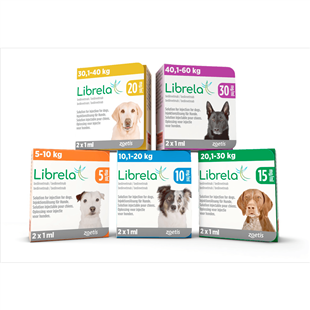
Librela for Dogs is available in the following strengths:

  • 5mg Librela
  • 10mg Librela
  • 15mg Librela
  • 20mg Librela
  • 30mg Librela

VETERINARY PRESCRIPTION REQUIRED

Arthritis is a general term for joint inflammation. In dogs, the most common long‑term joint condition is osteoarthritis, sometimes called degenerative joint disease. Osteoarthritis develops when the smooth cartilage that cushions a joint becomes damaged. Over time, the joint can become less stable and more painful, with bony changes and inflammation in the surrounding tissues.

Arthritis is more common in older dogs, but it can also occur in younger dogs, especially if there is an underlying cause such as hip or elbow dysplasia, previous injury, cruciate ligament disease, or joint surgery. Larger breeds and overweight dogs are at higher risk because joints are under greater mechanical load.

Common signs of arthritis in dogs

Dogs do not always cry out when they are in pain. Arthritis signs can be subtle at first and may gradually become more obvious. Common signs include:

  • Stiffness when getting up, especially after rest.
  • Slower walking pace or reluctance to go as far as usual.
  • Hesitation to jump into the car, climb stairs, or use furniture.
  • Limping that may worsen after exercise or in cold, damp weather.
  • Reduced interest in play, training, or social activity.
  • Changes in behaviour, such as irritability when touched or groomed.
  • Muscle loss in the hind legs or shoulders due to reduced use.

If you notice these changes, a veterinary assessment is important. Early management can help maintain mobility and comfort.

Diagnosis usually starts with a history and a physical examination. A vet will assess gait, posture, joint range of motion, and pain response. In many cases, imaging is used to confirm the diagnosis and assess severity. X‑rays can show joint changes associated with osteoarthritis, although pain level does not always match what is seen on an X‑ray. Your vet may also recommend additional tests to rule out other causes of lameness or stiffness.

Arthritis management is usually multi‑modal, meaning several approaches are used together. Medication such as Librela can be one part of the plan, but lifestyle measures often make a significant difference. Common supportive steps include:

  • Weight management - Excess weight increases strain on joints and can worsen inflammation. Even a small reduction in body weight can improve mobility and reduce pain. Your vet can help set a safe target and recommend an appropriate diet.
  • Controlled exercise - Regular, gentle activity helps maintain joint range of motion and muscle strength. Short, frequent walks are often better than occasional long walks. Warm‑up time and avoiding sudden bursts of high‑impact exercise can reduce flare‑ups.
  • Physiotherapy and strengthening - Canine physiotherapy may include tailored exercises, hydrotherapy, and manual techniques to improve mobility and support weak areas. Strengthening the muscles around a joint can improve stability and reduce discomfort.
  • Home adjustments - Simple changes can make daily life easier. Non‑slip flooring, ramps for steps, supportive bedding, and raised food bowls can reduce strain. Keeping your dog warm and dry can also help some dogs feel more comfortable.
  • Complementary joint support - Some dogs benefit from vet‑recommended supplements or diets designed for joint health. These are not a replacement for pain control when pain is present, but they may be part of a long‑term plan. Your vet can advise which options are appropriate for your dog.
  • Other medicines and combinations - Some dogs need additional treatments alongside, or instead of, Librela. Options can include NSAIDs, other analgesics, and treatments targeted to specific joint problems. Only a vet can advise on safe combinations and appropriate timing.

How quickly does Librela start working?
Some dogs show improvement within the first one to two weeks, while others may need a little longer. You may notice easier rising, less stiffness, or more willingness to walk. Your vet may advise judging progress over the first month or after a second dose for a clearer picture.

Does Librela reduce inflammation or only pain?
Librela is primarily designed to reduce pain by targeting nerve growth factor (NGF), which influences pain signalling. It is not an NSAID and it does not work in the same way as anti‑inflammatory tablets. Many arthritis plans still include lifestyle measures that help reduce inflammatory flare‑ups.

What are common side effects of Librela in dogs?
Many dogs tolerate Librela well. Some may have mild, short‑lived effects such as sleepiness, digestive upset, or local discomfort where the injection was given. Any unusual symptoms, especially persistent vomiting, marked lethargy, or changes in skin or movement, should be discussed with a vet promptly.

Will Librela cure my dog’s arthritis?
Arthritis is usually a long‑term condition and treatments focus on comfort, mobility, and quality of life. Librela is intended to control osteoarthritis pain rather than reverse joint changes. Many dogs can live well with arthritis when pain is managed and supportive measures such as weight control and appropriate exercise are maintained.

Can my dog exercise more once Librela improves mobility?
Improved comfort is positive, but a sudden jump in activity can strain joints and soft tissues. Increase exercise gradually. Maintain steady, low‑impact activity and monitor for next‑day stiffness or limping. If symptoms flare, reduce intensity and speak with your vet about adjusting the plan or adding supportive therapies.

Read more Read less
close
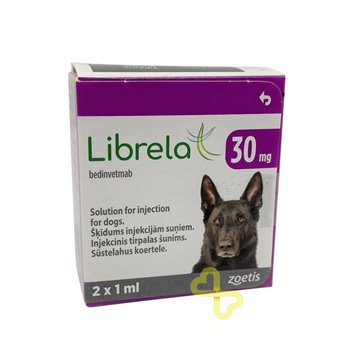
30mg Librela Solution for Dogs - 2 Vials

30mg Librela Solution for Dogs - 2 Vials

30mg Librela for Dogs is a vet-prescribed monthly injection that targets Nerve Growth Factor (NGF) to relieve osteoarthritis pain in dogs, helping improve comfort, mobility and daily activity at home.

Librela is a refrigerated medication - We will send it via Royal Mail Special Delivery using insulated packaging and ice packs. A signature is required on delivery and it must be put straight into a fridge. We cannot guarantee same day dispatch for orders placed after 12pm. VETERINARY PRESCRIPTION REQUIRED.

Osteoarthritis (Arthritis) is a long-term joint condition. In a healthy joint, smooth cartilage covers the ends of the bones and helps them glide with minimal friction. The joint also contains lubricating fluid and supportive tissues that keep movement stable. With osteoarthritis, cartilage gradually becomes damaged and less effective at cushioning. The joint lining can become inflamed, the joint can thicken, and movement can become painful and stiff. Dogs may avoid using the joint fully, which can lead to reduced muscle strength and poorer joint stability.

Osteoarthritis is common in older dogs, but it can develop at any age. Previous joint injury, repeated strain, and inherited joint conformation issues (such as hip or elbow dysplasia) can all contribute. Excess body weight is also important because it increases the load on painful joints and can worsen stiffness.

Librela 30mg contains bedinvetmab, which is a monoclonal antibody. Monoclonal antibodies are designed to target a specific molecule in the body. Bedinvetmab targets nerve growth factor (NGF), a signalling molecule involved in pain pathways. In osteoarthritis, NGF can contribute to ongoing pain by increasing the sensitivity of nerves in and around affected joints.

Because osteoarthritis is ongoing, Librela is usually repeated every month to help maintain consistent pain control. Your vet may suggest tracking changes in your dog’s daily activity and comfort, because gradual improvements can be easier to spot when you look back over a few weeks. If your dog’s mobility suddenly worsens, if they show new pain, or if you notice any change that concerns you, you should contact your veterinary practice for advice.

£97.43
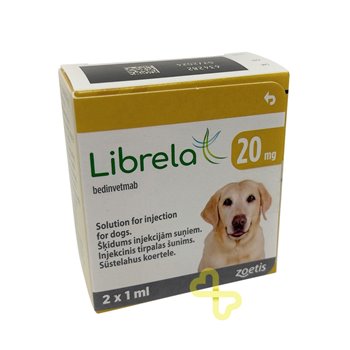
20mg Librela Solution for Dogs - 2 Vials

20mg Librela Solution for Dogs - 2 Vials

Librela 20mg is a new injecton used for arthritis pain relief in dogs. Librela is scientifically proven to ease pain effectively for an entire month. With minimal liver, kidney, and GI involvement, Librela's monoclonal antibodies offer a safer, more natural approach to treating osteoarthritis in dogs.

Librela provides an innovative alternative to NSAIDs by targeting the Nerve Growth Factor (NGF), known for inducing pain and inflammation in osteoarthritis. Dogs show a marked increase in mobility and reduction in pain after the first dose, making it an ideal choice for pain management. Librela is administered as a subcutaneous injection, usually once a month, by a veterinary surgeon or at home if your Vet has given you some training.

Librela is a refrigerated medication - We will send it via Royal Mail Special Delivery using insulated packaging and ice packs. A signature is required on delivery and it must be put straight into a fridge. We cannot guarantee same day dispatch for orders placed after 12pm. VETERINARY PRESCRIPTION REQUIRED.

Librela 20mg is a caninised monoclonal antibody. Each vial of 1ml Librela contains 20mg bedinvetmab and enhances the natural process of clearing away immune complexes, thus avoiding pain signals from reaching the brain and causing neuropathic pain.

Osteoarthritis, often referred to as arthritis, is a long-term joint condition that causes pain, stiffness and reduced mobility. Dogs may find it harder to rise after rest, climb stairs, jump into the car, or keep up on walks. Managing pain can help maintain activity and muscle, which supports joint function.

Osteoarthritis commonly affects weight-bearing joints such as hips, elbows and knees, but it can also involve the spine. When a dog moves less due to pain, muscle support reduces and joints can become stiffer, which may worsen the cycle of discomfort. For this reason, long-term management often focuses on keeping movement comfortable and consistent, rather than waiting until a dog is severely lame.

How 20mg Librela works

Librela contains bedinvetmab, a canine monoclonal antibody. A monoclonal antibody is a targeted protein therapy designed to bind to a specific substance in the body. Bedinvetmab targets nerve growth factor (NGF), which is involved in pain signalling and in the "turning up" of pain sensitivity.

In osteoarthritis, NGF activity around affected joints can contribute to ongoing discomfort. When bedinvetmab binds to NGF, it helps reduce NGF‑mediated signalling. This can lower pain signalling from the joint and improve comfort. Librela does not repair cartilage or reverse structural joint changes. It is intended to manage pain so that supportive measures, such as controlled exercise and weight management, are easier to maintain.

£95.38
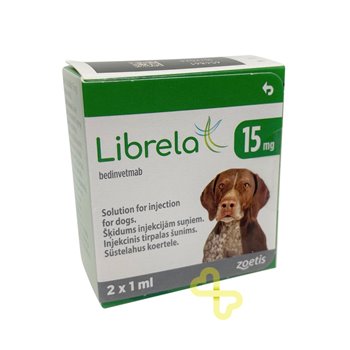
15mg Librela Solution for Dogs - 2 Vials

15mg Librela Solution for Dogs - 2 Vials

15mg Librela is an innovative drug for the alleviation of pain associated with osteoarthritis in dogs.

Librela 15mg is a revolutionary solution that provides effective relief from osteoarthritis pain in dogs, with a safety profile supported by studies. It differs from traditional NSAIDs by specifically targeting Nerve Growth Factor (NGF), an essential cause of osteoarthritis pain.

Librela is a refrigerated medication - We will send it via Royal Mail Special Delivery using insulated packaging and ice packs. A signature is required on delivery and it must be put straight into a fridge. We cannot guarantee same day dispatch for orders placed after 12pm. VETERINARY PRESCRIPTION REQUIRED.

Librela is a monoclonal antibody, replicating the function of naturally occurring antibodies. It is removed via standard protein degradation pathways, resulting in a low-impact treatment on the liver or kidneys and minimal gastrointestinal effects. Clinical studies indicate increased mobility and reduced pain in dogs after the initial Librela injection.

£92.39
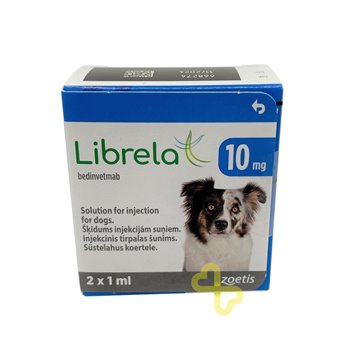
10mg Librela Solution for Dogs - 2 Vials

10mg Librela Solution for Dogs - 2 Vials

10mg Librela is an innovative drug for the alleviation of pain associated with osteoarthritis in dogs.

Librela 10mg provides an innovative answer to managing the pain of osteoarthritis in dogs. This treatment successfully eases pain for an entire month, assured by its established safety record. Unlike conventional Non-Steroidal Anti-Inflammatory Drugs (NSAIDs), Librela's unique mechanism targets Nerve Growth Factor (NGF), a critical factor in osteoarthritis discomfort.

Librela is a refrigerated medication - We will send it via Royal Mail Special Delivery using insulated packaging and ice packs. A signature is required on delivery and it must be put straight into a fridge. We cannot guarantee same day dispatch for orders placed after 12pm. VETERINARY PRESCRIPTION REQUIRED.

Librela utilises monoclonal antibodies, proteins that form part of the immune system, to neutralise harmful molecules associated with disease. These antibodies act similarly to naturally occurring ones, offering a gentle treatment option with limited liver or kidney involvement and minimal gastrointestinal effect.

£89.58
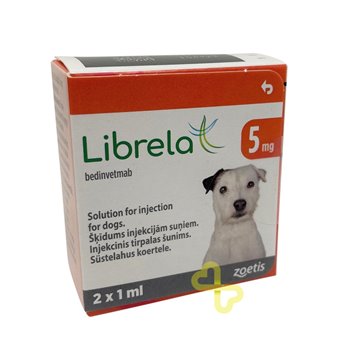
5mg Librela Solution for Dogs - 2 Vials

5mg Librela Solution for Dogs - 2 Vials

5mg Librela is an innovative monthly drug for the alleviation of pain associated with osteoarthritis in dogs.

Librela 5mg is a breakthrough solution for dogs suffering from osteoarthritis pain. The treatment effectively relieves discomfort for a whole month, with a safety profile proven through rigorous testing. Librela works uniquely, targeting Nerve Growth Factor (NGF), a significant contributor to osteoarthritis pain, offering a different approach than Non-Steroidal Anti-Inflammatory Drugs (NSAIDs).

Librela 5mg uses monoclonal antibodies—immune system proteins that neutralise disease-causing molecules—mirroring naturally occurring antibodies. With minimal involvement of liver or kidneys, it’s a gentle option with a minimal gastrointestinal impact, reducing the potential for adverse reactions.

Librela is a refrigerated medication - We will send it via Royal Mail Special Delivery using insulated packaging and ice packs. A signature is required on delivery and it must be put straight into a fridge. We cannot guarantee same day dispatch for orders placed after 12pm. VETERINARY PRESCRIPTION REQUIRED.

Clinical trials demonstrated that dogs experienced decreased pain and increased mobility after just one injection. Delivered as a monthly injection at the clinic, Librela ensures the efficient management of osteoarthritis pain.

Librela 5mg contains a canine monoclonal antibody (mAb) which targets nerve growth factor (NGF). This inhibits NGF-mediated cell signalling which has been demonstrated to provide relief from pain associated with osteoarthritis.

£86.71
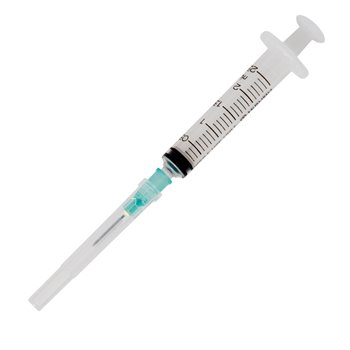
BD Discardit 2ml Syringe with 21g Needle - each

BD Discardit 2ml Syringe with 21g Needle - each

This 2ml syringe with an attached 21-gauge (21g) needle is suitable for administering specific medications to cats and dogs that require subcutaneous injections. Each syringe is individually packaged, sterile, and designed for single use only. This product is commonly used in veterinary practices and at home under veterinary guidance.

The syringe has a 2ml capacity and is fitted with a 21g needle. This needle size is considered suitable for administering certain subcutaneous or intramuscular injections in cats and dogs, depending on the medication and the animal’s size and condition. The 21g needle offers a balance between needle strength and minimal discomfort during injection, making it appropriate for routine use with specific veterinary biologics.

This type of syringe is appropriate for administering Solensia, Librela, and Cytopoint, which are injectable monoclonal antibody therapies used to manage chronic pain and allergic dermatitis in pets. These medications are typically prescribed for monthly administration and are given via subcutaneous injection. The 21g needle provides a suitable gauge for delivering the full dose efficiently while maintaining comfort for the animal.

Solensia is prescribed for the management of osteoarthritis pain in cats. It is given once a month via subcutaneous injection. The 2ml syringe allows for accurate dosing, and the 21g needle is appropriate for the viscosity of the Solensia solution and for delivering it under the skin in a cat with minimal stress and tissue trauma.

Librela is used in dogs to treat pain associated with osteoarthritis. Like Solensia, it is administered subcutaneously once a month. The 21g needle is appropriate for most dog breeds and sizes, as it enables smooth delivery of the medication while being strong enough to penetrate the skin effectively without bending or breaking.

Cytopoint is another monoclonal antibody therapy, used to manage allergic dermatitis in dogs. It is also given as a monthly subcutaneous injection. The 2ml capacity of the syringe provides ample volume to accommodate the required dose, and the 21g needle is compatible with the formulation’s consistency and administration method.

This syringe and needle combination should not be used for insulin administration in cats or dogs. Veterinary insulin products such as Caninsulin and Prozinc require specific insulin syringes that are calibrated differently from standard 2ml syringes. Insulin syringes are typically marked in units, not millilitres, and have finer, shorter needles such as 29g or 30g, which are designed to deliver precise insulin doses in small volumes. Using a standard 2ml syringe for insulin injections can lead to inaccurate dosing and can be dangerous to the animal.

£0.36