Tackling Hairballs in Cats: Cat Malt, Katalax, and Fureze to the Rescue
As a cat owner, you may have experienced the unpleasant discovery of hairballs left behind by your feline friend. Hairballs are a common issue in cats and can lead to various health complications if not addressed properly. Hairballs, also known as trichobezoars, are formed when cats groom themselves, ingesting loose fur in the process. While most of the swallowed fur passes through the digestive system and is eliminated in the faeces, some may accumulate in the stomach, forming a hairball.
Hairballs are a natural occurrence in cats; however, they can cause discomfort, vomiting, and even intestinal blockage if not managed properly. Cats are meticulous groomers, and this grooming habit is the primary cause of hairballs. Some factors increase the risk of hairball formation, including:
Long-haired breeds: Cats with long fur, such as Maine Coons and Persians, are more prone to hairball forma...
Tackling Hairballs in Cats: Cat Malt, Katalax, and Fureze to the Rescue
As a cat owner, you may have experienced the unpleasant discovery of hairballs left behind by your feline friend. Hairballs are a common issue in cats and can lead to various health complications if not addressed properly. Hairballs, also known as trichobezoars, are formed when cats groom themselves, ingesting loose fur in the process. While most of the swallowed fur passes through the digestive system and is eliminated in the faeces, some may accumulate in the stomach, forming a hairball.
Hairballs are a natural occurrence in cats; however, they can cause discomfort, vomiting, and even intestinal blockage if not managed properly. Cats are meticulous groomers, and this grooming habit is the primary cause of hairballs. Some factors increase the risk of hairball formation, including:
Long-haired breeds: Cats with long fur, such as Maine Coons and Persians, are more prone to hairball formation due to the larger amount of loose fur they ingest during grooming.
Shedding: Cats shed more fur during seasonal changes, increasing the likelihood of hairball development.
Age: Older cats tend to groom more frequently than kittens, making them more susceptible to hairballs.
Hairball formation can lead to various symptoms and complications in cats, including:
Vomiting: Cats often regurgitate hairballs, which may be accompanied by bile or partially digested food.
Gagging and retching: Cats may make hacking or gagging noises while trying to expel a hairball.
Loss of appetite: A cat with a hairball may experience a decreased appetite due to discomfort.
Lethargy: Cats may become less active and more lethargic when dealing with hairballs.
Intestinal blockage: In rare cases, hairballs can cause intestinal blockage, a potentially life-threatening condition that requires immediate veterinary attention.
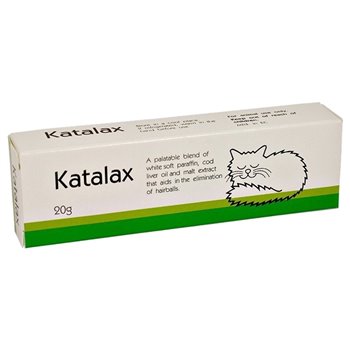
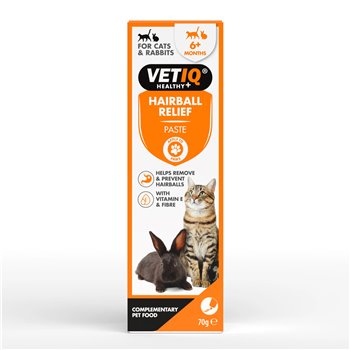
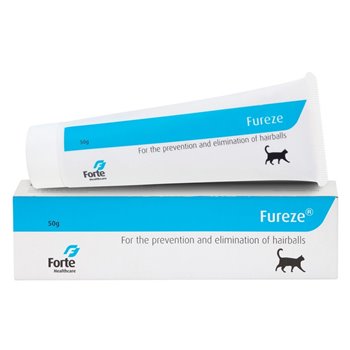
There are several methods to help prevent and manage hairballs in cats: Regular grooming: Brushing your cat regularly, especially long-haired breeds, can help remove loose fur and reduce the amount ingested during self-grooming. Hairball control diet: Specially formulated hairball control cat food can help promote the passage of ingested hair through the digestive system. Hairball remedies: Products such as Cat Malt, Katalax, and Fureze Hairball Paste can aid in the prevention and management of hairballs.