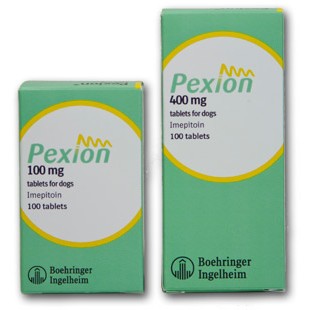
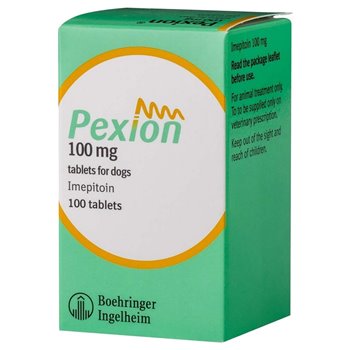
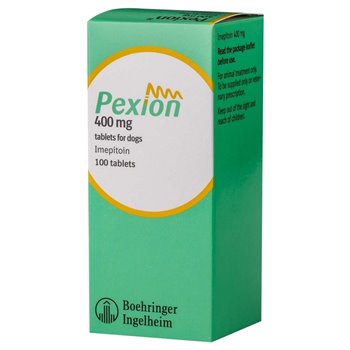
Pexion Tablets for Dogs are a prescription-only veterinary medicine (POM‑V) used to help control seizures in dogs diagnosed with epilepsy. The goal of treatment is fewer seizures, less severe episodes, and a calmer recovery afterwards, so your dog can keep enjoying walks, play, appetite, and family time. When seizures are better controlled, many dogs are more confident, sleep more normally, and bounce back faster after an episode, which can make a huge difference to quality of life for both dog and owner. Your vet will recommend Pexion Tablets when it suits your dog’s seizure type and overall health, and they will talk you through what to expect, how to monitor progress, and when to review the plan.
Pexion Tablets for Dogs contain imepitoin, an anti‑epileptic medicine that helps the brain resist the sudden "electrical storms" that trigger seizures. Brain cells communicate using tiny electrical signals, and during a seizure those signals can become too fast and too synchronised. The brain also has natural calming signals, and one of the most important uses a messenger called GABA (gamma‑aminobutyric acid). In plain English, GABA is part of the brain’s built-in braking system. Imepitoin supports this braking system by working at the GABA‑A receptor; in clinical terms it is a partial agonist at the benzodiazepine binding site, which means it can enhance calming activity without "fully switching on" the receptor in the same way stronger sedatives might. This is why Pexion Tablets are intended to reduce abnormal excitability while aiming to keep many dogs alert enough for normal daily life. Because every dog is different, the degree of seizure control and the level of sleepiness can vary, and your vet will tailor the approach to your dog.
Epilepsy in dogs means repeated seizures caused by abnormal bursts of activity in the brain, rather than a one‑off episode from a temporary problem. Many dogs have idiopathic epilepsy, where no structural cause is found and the diagnosis is based on history, examination, and routine tests being otherwise normal. Other dogs have structural epilepsy, where seizures are linked to an underlying issue such as inflammation (encephalitis), liver disease, head trauma, vascular events, or a brain tumour, and those cases may need additional investigations and treatments alongside seizure control. Seizures themselves can look dramatic, but they often follow recognisable stages, and knowing the pattern helps you keep your dog safe and helps your vet decide whether Pexion Tablets for Dogs are appropriate. Common signs owners report include:
• You may notice changes before the seizure (prodrome or “aura”), such as restlessness, clinginess, pacing, or hiding.
• During the seizure itself (ictus), you may see collapse, stiffening, paddling, jaw chomping, drooling, urination, or vocalising.
• After the seizure (post‑ictal phase), your dog may be disorientated, temporarily blind, unusually hungry or thirsty, wobbly (ataxic), or very tired.
A seizure diary noting dates, duration, triggers, and recovery time is one of the most useful tools you can use once Pexion Tablets are started, because it provides information your vet can act on.
When epilepsy is diagnosed, treatment aims to reduce seizure frequency and severity while supporting a bright, comfortable, active dog. Pexion Tablets for Dogs are commonly prescribed for dogs with idiopathic epilepsy that are experiencing recurrent generalised seizures, especially when fits are happening often enough to affect recovery, sleep, safety, and family life. Your vet will calculate the dose based on body weight and may adjust it depending on response, because epilepsy management often involves fine‑tuning over time. Owners often focus on outcomes that matter at home, such as fewer seizures, shorter post‑ictal confusion, a quicker return to normal appetite, and less "hangover" tiredness after an episode. Like all medicines, Pexion Tablets can cause side effects, and it helps to know what is possible so you can spot changes early. The most commonly noticed effects are sleepiness, wobbliness (ataxia), increased appetite, vomiting or loose stools, and occasionally behaviour changes such as restlessness. These effects are often mild and may improve as the body adjusts, but you should contact your vet if they persist, worsen, or if your dog seems unusually dull or unsteady.
Consistency is important, so Pexion Tablets for Dogs are usually given by mouth at set times each day to keep levels steady. Try to build dosing into a routine your dog enjoys, such as after a small treat or alongside a calm moment, and avoid sudden changes without veterinary advice. Do not stop Pexion Tablets abruptly unless your vet instructs you to, because sudden withdrawal of anti‑epileptic medication can increase the risk of rebound seizures. If you miss a dose, follow your vet’s guidance rather than doubling up. Tell your vet about any other medicines or supplements your dog receives, because combinations may affect seizure control or sleepiness. Alongside Pexion Tablets, simple lifestyle steps can help some dogs, including keeping a stable daily routine, avoiding known triggers where possible, maintaining a healthy weight, and ensuring good sleep. If your dog’s seizures are linked to hormonal cycles, stress, or excitement, your diary can help reveal patterns and support sensible adjustments to their day-to-day plan.
A safety plan helps you feel prepared. During a seizure, keep your dog away from stairs and sharp edges, dim lights if you can, speak quietly, and give them space; do not put your hands near their mouth, because jaw movements are involuntary and even gentle dogs may bite accidentally. Contact a veterinary professional urgently if a seizure lasts longer than a few minutes, if your dog has repeated seizures close together (cluster seizures), or if they do not regain awareness between events, as this can progress to status epilepticus and needs prompt treatment. Even with good control on Pexion, occasional "breakthrough" seizures can happen, and your vet may recommend dose adjustments, additional anti‑epileptic medication, or an emergency rescue plan for home use.
What are Pexion Tablets for Dogs used for?
Pexion Tablets for Dogs are prescribed to help control recurrent seizures in dogs diagnosed with epilepsy, most commonly idiopathic epilepsy. The aim is fewer, less severe fits and a calmer recovery, so your dog can keep enjoying normal routines, appetite, and activity. Your vet will confirm suitability.
How quickly do Pexion Tablets start working?
Some dogs show improvement soon after starting Pexion Tablets for Dogs, but seizure control is usually assessed over several weeks because seizures can be unpredictable. Your vet may adjust the dose based on a seizure diary, recovery time, and any side effects. Consistent daily dosing is essential.
Will Pexion make my dog sleepy?
Sleepiness can happen with Pexion Tablets for Dogs, especially at the start or after a dose change, because the medicine supports calming signals in the brain. Many dogs stay bright and playful once settled. If your dog seems very dull, unsteady, or unwilling to exercise, speak to your vet.
What should I do if I miss a dose of Pexion?
If you miss a dose of Pexion Tablets for Dogs, follow your vet’s advice or the instructions provided with your prescription. In general, do not double the next dose unless your vet tells you to. Make a note in your seizure diary and get back to your normal routine as soon as possible.
What counts as a seizure emergency in Dogs?
Seek urgent veterinary help if a seizure lasts longer than a few minutes, if your dog has repeated seizures close together (cluster seizures), or if they do not fully recover between episodes. These situations can progress to status epilepticus, which can overheat the body and become life‑threatening without prompt treatment.