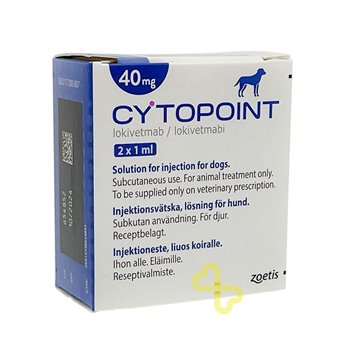
Cytopoint for Dogs is a prescription injection used to help control allergic itch and the clinical signs of atopic dermatitis in dogs. Cytopoint may be prescribed when a dog is chewing paws, licking the belly, rubbing the face, scratching the ears or developing inflamed skin linked to an allergic skin condition.
A Veterinary Prescription is required for Cytopoint
Cytopoint Injection contains lokivetmab, a targeted biological therapy that is given by subcutaneous injection under the skin. It is not a cure for allergy, but it can reduce the itch signal that drives repeated scratching. By helping to interrupt this itch-scratch cycle, Cytopoint for Dogs gives irritated skin a better chance to settle while your veterinary surgeon investigates triggers and manages any infection, parasite problem or flare factor.
Atopic dermatitis in dogs is a chronic, inflammatory and allergic skin disease. It often develops because a dog’s immune system overreacts to everyday allergens such as pollens, house dust mites, storage mites, mould spores or grasses. Some dogs also have flare-ups linked to flea allergy, food hypersensitivity or contact irritants, so a veterinary diagnosis is important before relying on any single treatment. The skin barrier may become weaker, allowing allergens and microbes to aggravate the surface more easily. Common signs include persistent scratching, chewing, licking, redness, recurrent ear inflammation, greasy or dry skin, hair loss, scabs, hot spots, thickened skin and a musty smell when yeast or bacterial overgrowth is present. Cytopoint Injection is used to treat the pruritus, or itch, associated with allergic dermatitis and the clinical manifestations of atopic dermatitis, but good care also means identifying the reasons your dog is itching in the first place. Atopic dogs may look well between flare-ups, yet their skin can remain sensitive, so early support often prevents small irritations becoming painful skin lesions.
The way Cytopoint works is different from many traditional anti-itch treatments. Lokivetmab is a caninised monoclonal antibody, which means it is a protein-based medicine made to work in a dog’s body in a very focused way. It targets and neutralises canine interleukin-31, often shortened to IL-31, a cytokine involved in sending itch signals from the skin. When IL-31 activity is reduced, many dogs feel less need to scratch, lick, bite or rub, and the skin is given time to recover from trauma caused by constant irritation. Cytopoint Injection is not a steroid, antibiotic, antihistamine or sedative. Because it is a biological therapy, it is broken down and recycled by the body like other proteins.
Cytopoint is administered by, or under the direction of, a veterinary surgeon and the dose is based on your dog’s bodyweight. It is supplied as a solution for injection in different vial strengths, allowing the vet to choose the appropriate amount for each patient. The injection is given under the skin, usually during a consultation, and treatment is commonly repeated monthly when the dog continues to need itch control. Some dogs show clear improvement quickly, while others need careful monitoring over the first month so the vet can assess whether a second Cytopoint Injection, or another plan, is appropriate. Cytopoint Injection should not be used in dogs with known hypersensitivity to lokivetmab or its excipients, and product information advises that it should not be used in dogs weighing less than 3 kg. Use during pregnancy, lactation or breeding should be discussed with a vet. As with all prescription medicines, the correct dose and treatment interval should be decided for the individual dog rather than guessed at home.
Alongside Cytopoint Injection, your vet may recommend year-round flea control, medicated shampoos, ear treatment, topical skin barrier support, an elimination diet trial, environmental changes or allergen-specific immunotherapy in selected cases. Keeping a simple itch diary can be helpful, especially if symptoms vary by season, after walks, after grooming or during changes in food. Record where your dog is scratching, how often licking happens, whether sleep is disturbed, and whether paws, ears or skin folds are becoming inflamed. This information helps your vet judge response to each Cytopoint Injection and decide whether additional treatment is needed for infection, inflammation or allergy triggers. With thoughtful monitoring and veterinary guidance, many dogs with atopic dermatitis can regain comfort without relying on guesswork. A calm, consistent routine also helps owners notice patterns sooner, giving the veterinary team clearer information when adjusting the allergy management plan.
Is Cytopoint a tablet or an injection?
Cytopoint is an injection, not a tablet. It is given by a as a subcutaneous injection under the skin to help reduce itching in dogs with allergic skin disease.
Unlike a daily tablet, Cytopoint injection is usually given around once every four weeks, depending on your dog’s symptoms and your vet’s advice. Cytopoint contains lokivetmab, a targeted monoclonal antibody that helps block itch signals linked to allergic dermatitis.
Cytopoint Injections are administered subcutaneously, and its effects can be observed within 8 hours of administration. One of the significant advantages of Cytopoint is its long-lasting effect. A single Cytopoint Injection can provide relief from the clinical signs of atopic dermatitis in dogs for a full month, making it a convenient treatment option for busy pet owners.
Cytopoint for Dogs is suitable for dogs of all ages and can be used alongside many common medications. This flexibility makes it an ideal choice for dogs with concomitant diseases. Cytopoint for Dogs offers a targeted, effective, and safe solution for dogs suffering from atopic dermatitis. By neutralising the itch-inducing cytokine IL-31, Cytopoint helps improve the quality of life for dogs and their families. With its fast-acting and long-lasting relief, Cytopoint is a reliable choice for managing atopic dermatitis in dogs.
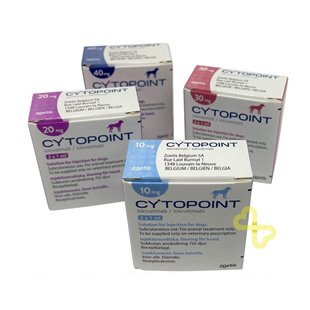
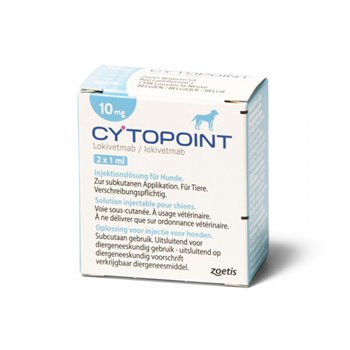
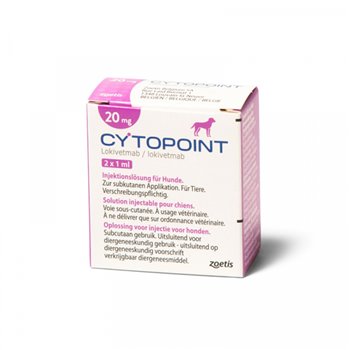
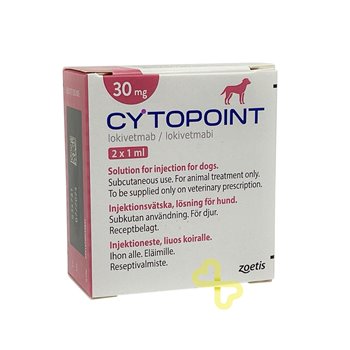
Cytopoint is available in the following strengths - packaging is coloured for easy recognition:
- 10mg Cytopoint - Pack of 2 vials
- 20mg Cytopoint - Pack of 2 vials
- 30mg Cytopoint - Pack of 2 vials
- 40mg Cytopoint - Pack of 2 vials
What is Cytopoint for dogs?
Cytopoint Injection is a prescription veterinary medicine containing lokivetmab, a monoclonal antibody used to treat itch associated with allergic dermatitis and the clinical signs of atopic dermatitis in dogs. It is given under the skin by a vet and helps reduce itch signals so damaged skin has time to recover.
How quickly can Cytopoint Injection help an itchy dog?
Some dogs show less scratching soon after treatment, while others improve over several days. Itch control can begin before the skin looks fully healed. Redness, hair loss, ear inflammation or infected skin may need additional veterinary treatment before your dog feels fully comfortable again.
How long does Cytopoint Injection last?
Many dogs receive Cytopoint monthly, although response can vary between patients. Your vet will consider your dog’s itch score, skin condition, weight, allergy triggers and any secondary infection when deciding the treatment interval. Contact your vet if itch returns sooner than expected.
Can dogs have Cytopoint Injection with other treatments?
Many dogs with atopic dermatitis need more than one type of support. Your vet may combine Cytopoint with flea control, medicated shampoos, ear treatment, antibiotics, antifungals, diet trials or allergen management. Always tell your vet about current medicines, supplements and health conditions.
Why is my dog still itchy after Cytopoint Injection?
Continued itch can happen if there are complicating factors such as fleas, mites, bacterial infection, yeast overgrowth, food hypersensitivity, contact irritation or uncontrolled environmental allergy. Cytopoint targets an itch pathway, but your vet may need to treat other causes of skin inflammation too.
Do dogs need a prescription for Cytopoint Injection?
Yes. Cytopoint is a prescription-only veterinary medicine in the UK, so it should be supplied and used under veterinary direction. This helps ensure the correct dose, safe handling and appropriate monitoring, especially if your dog has infection, other illnesses or recurring allergy flare-ups.