Save Money on your Pet Medication today
We sell a complete range of Prescription-only Pet Medications. All of our Pet Meds are genuine, UK sourced and are identical to the Pet Medication available from your Vet, but with significant savings and fast home delivery.
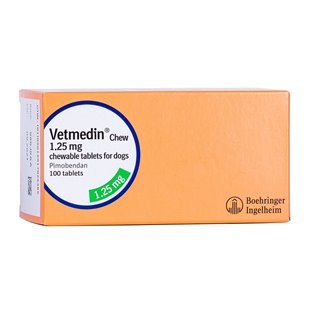
Prescription‑only pet medicines (POM‑V) for dogs and cats are available on this page. Products are supplied against a valid prescription from your veterinary surgeon. We stock heart medicines such as Vetmedin, Cardalis and Cardisure, with other prescribed treatments including Senvelgo for cats and Zenrelia for dogs.
Online pet prescriptions in the UK are used when your vet prescribes a POM-V prescription medicine, but you want to buy it from an online pet dispensary like us instead of directly from the vet. Your vet must first assess your pet and decide which medicine, strength, dose and quantity is appropriate. You can then ask your vet for a written veterinary prescription, which you send to us ...
Save Money on your Pet Medication today
We sell a complete range of Prescription-only Pet Medications. All of our Pet Meds are genuine, UK sourced and are identical to the Pet Medication available from your Vet, but with significant savings and fast home delivery.
Prescription‑only pet medicines (POM‑V) for dogs and cats are available on this page. Products are supplied against a valid prescription from your veterinary surgeon. We stock heart medicines such as Vetmedin, Cardalis and Cardisure, with other prescribed treatments including Senvelgo for cats and Zenrelia for dogs.
Online pet prescriptions in the UK are used when your vet prescribes a POM-V prescription medicine, but you want to buy it from an online pet dispensary like us instead of directly from the vet. Your vet must first assess your pet and decide which medicine, strength, dose and quantity is appropriate. You can then ask your vet for a written veterinary prescription, which you send to us when you place your order.
UK guidance says vets may issue written prescriptions so clients can buy prescribed medicines from another supplier. The online dispensary does not diagnose your pet or decide the treatment. It checks the prescription details, makes sure the medicine ordered matches what the vet has prescribed, and then dispenses the medication if the prescription is valid.
Placing an order with us is straightforward:
- Use the green magnifying glass icon at the top right of the page to search for the medicine by name
- Select the item required, choose the correct strength and pack size if applicable, and add the quantity to your shopping cart.
- Proceed to checkout to confirm delivery and payment details.
- Attach your veterinary prescription to your shopping cart during checkout, or email it to us after you have placed your order.
You can submit your veterinary prescription by attachment at checkout or by email after the order is placed. If you send a photograph of your prescription, the image must be clear, show all four corners of the page, and be high resolution so that all details are legible. Prescriptions are used only to dispense the medicines authorised and are checked before supply. We accept clear scans and photographs in common formats. Multiple pages can be attached where the prescription contains repeats or several items. If you are emailing the prescription after checkout, please include your order number so that we can match the document to your order without delay. If there is any uncertainty about legibility, we will request a clearer copy before dispensing.
Delivery is made using Royal Mail services. UK Orders are sent using Royal Mail Tracked 24 for all non‑refrigerated items. Refrigerated medicines such as Solensia, Librela, Cytopoint and Caninsulin are sent using Royal Mail Special Delivery. Highlands and Islands, the Channel Islands and Northern Ireland are served at no extra cost. International orders are sent using Royal Mail tracked services. International orders may take 5-10 days due to destination postal processes and import checks. Selecting a delivery address where someone can receive the parcel is advisable and is essential for refrigerated medicines sent by Special Delivery.
You can find the right product quickly by using search. Use the green magnifying glass icon at the top right of the page and enter the product name exactly as written on your prescription. The search will show available strengths and pack sizes. On each product page, check the photographs and description to confirm that the item matches your vet’s prescription.