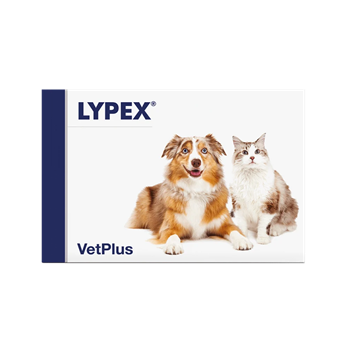
Lypex is a pancreatic enzyme supplement for dogs and cats that need help digesting their food. Made by VetPlus, it provides enzymes used to break down fats, proteins and carbohydrates, and may be recommended for pets with exocrine pancreatic insufficiency (EPI). Lypex comes in packs of 60 capsules containing small, coated granules. These are mixed with meals after opening the capsule, so there is no whole capsule for your pet to swallow. It is a complementary feed, used alongside an appropriate diet and any other care recommended by your vet.
The pancreas normally supplies digestive enzymes to the small intestine. When it cannot produce enough, a pet can eat well but still struggle to obtain the nutrients it needs. EPI can cause weight loss and frequent, bulky or loose stools; some affected dogs also seem unusually hungry. These changes are reasons to arrange an examination, rather than assume a digestive supplement will solve the problem. Your vet can investigate the caus...
Lypex is a pancreatic enzyme supplement for dogs and cats that need help digesting their food. Made by VetPlus, it provides enzymes used to break down fats, proteins and carbohydrates, and may be recommended for pets with exocrine pancreatic insufficiency (EPI). Lypex comes in packs of 60 capsules containing small, coated granules. These are mixed with meals after opening the capsule, so there is no whole capsule for your pet to swallow. It is a complementary feed, used alongside an appropriate diet and any other care recommended by your vet.
The pancreas normally supplies digestive enzymes to the small intestine. When it cannot produce enough, a pet can eat well but still struggle to obtain the nutrients it needs. EPI can cause weight loss and frequent, bulky or loose stools; some affected dogs also seem unusually hungry. These changes are reasons to arrange an examination, rather than assume a digestive supplement will solve the problem. Your vet can investigate the cause and use a blood test called TLI to assess pancreatic function. Lypex may then form part of the management plan where additional enzymes are appropriate.
Lypex contains three types of enzyme: lipase, amylase and protease. Lipase helps digest fat, amylase breaks down starch, and protease acts on protein. The enzymes are held in individual enteric-coated micro-pellets. This coating protects them during their passage through the stomach and allows release in the small intestine. The coating is on the granules themselves, which is why the outer capsule can be opened. Lypex supplies digestive enzymes; it does not repair damaged pancreatic tissue. The aim is to support digestion so the animal can make better use of its meals.
Open the capsule and mix the granules into your pet's food, following the current pack instructions and your vet's recommended amount. The total daily allowance should be divided equally between feeds, rather than giving the full day's amount at every meal. Lypex has no added flavouring. With several pets in the household, serve the supplemented meal separately so another animal does not eat it. If your cat grazes throughout the day, discuss how to distribute the supplement across its feeding routine. The important distinction is between the amount for the whole day and the portion added to each feed.
A pet receiving Lypex still needs a complete, suitable diet. There is no single feeding plan that suits every dog or cat with pancreatic disease, and a very low-fat diet is not automatically appropriate for EPI. Your vet can consider body condition, food tolerance and any other illness when choosing meals. Vitamin B12, also called cobalamin, deserves particular attention because deficiency is common in animals with EPI. Blood testing helps identify whether separate supplementation is needed. Adding enzymes and correcting a vitamin deficiency serve different purposes, so one should not be assumed to replace the other.
Weight, appetite and stool quality help your vet assess whether the overall plan is working. A short record of meals, supplements and changes in stools can be useful when discussing progress, especially after an adjustment. Continued weight loss or diarrhoea may mean the plan needs reviewing or that another digestive condition is present. Lypex should not simply be increased indefinitely in response to persistent symptoms. Many pets with EPI need ongoing enzyme support, although the appropriate product and amount can change. Keep reviews focused on how your pet is doing, rather than assuming the first feeding arrangement will always remain suitable.
What are Lypex Capsules used for?
Lypex provides pancreatic enzymes to support food digestion in dogs and cats. Your vet may recommend it where enzyme production is inadequate, including in EPI. It is not a general remedy for every episode of diarrhoea or an alternative to finding the cause of weight loss.
Can cats have Lypex?
Yes. VetPlus lists Lypex for both dogs and cats. A cat's feeding amount and wider nutritional needs should be assessed individually, particularly where there is weight loss, an inconsistent appetite or another condition affecting digestion.
Should Lypex capsules be swallowed whole?
No. Open the capsule and mix its contents with food. VetPlus specifically advises against giving the capsule whole. The small granules inside carry the enzymes and their protective coating.
Does Lypex contain a probiotic?
Lypex is a pancreatic enzyme supplement, rather than a probiotic. Enzymes help break down food, while probiotics supply microorganisms. The two types of supplement have different roles and are not interchangeable.
Should I give the daily amount of Lypex at every meal?
No. Divide the total daily allowance equally between feeds. If the feeding schedule changes, confirm how to divide that allowance rather than increasing the daily total automatically.
Is Lypex a treatment for pancreatitis?
Pancreatitis and EPI are different conditions, although chronic pancreatic inflammation can lead to enzyme insufficiency. A pancreatitis diagnosis alone does not establish that Lypex is needed; the decision depends on the individual animal's digestive function and clinical assessment.