


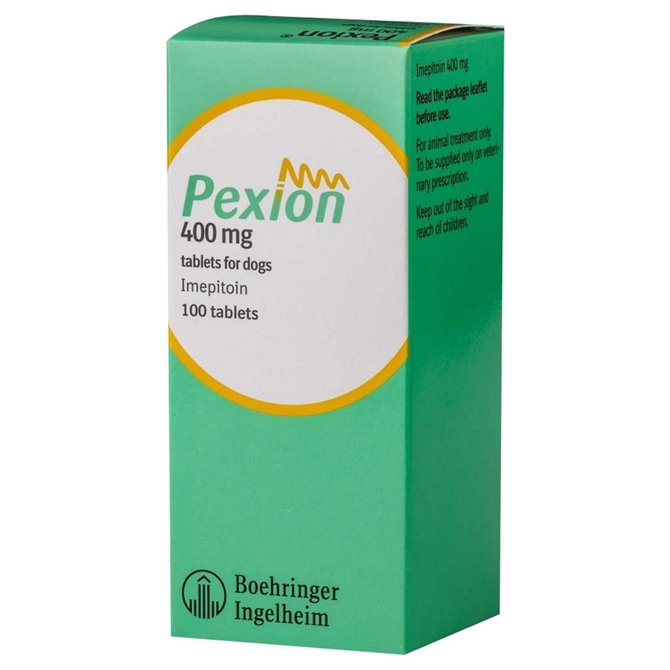
Pexion 400mg Tablet - per Tablet
400mg Pexion is a prescription medication used to manage epilepsy in dogs. Each tablet contains 400mg of imepitoin, an antiepileptic drug that helps reduce the frequency and severity of seizures.
Pexion is primarily used to treat idiopathic epilepsy, a common neurological disorder in dogs. It may also be prescribed for dogs suffering from noise phobia, as it has calming effects on the nervous system. Unlike some traditional epilepsy medications, Pexion has a lower risk of liver toxicity and can be a suitable long-term treatment option for many dogs.
How Pexion Works
Pexion 400mg contains imepitoin, a drug that acts on the brain’s neurotransmitters to stabilise electrical activity and prevent seizures.
Seizures occur due to abnormal electrical signals in the brain, causing sudden and uncontrolled movements, loss of consciousness, or behavioural changes. Imepitoin works by enhancing the effects of gamma-aminobutyric acid (GABA), a neurotransmitter that reduces excessive brain activity. By increasing GABA’s calming effects, Pexion helps to suppress abnormal electrical impulses and prevent seizure episodes.
Pexion also has anti-anxiety properties, which make it beneficial for dogs with noise-related anxiety, such as fear of fireworks or thunderstorms.
VET PRESCRIPTION REQUIRED
Product Features
- Pack Size: - Sold Individually
- Target Animal: - Dog (Canine)
- Related Condition: - Epilepsy in Dogs
- Pet Prescription Required?: - Yes (For UK Orders)
- Active Ingredient: - Imepitoin
- Product Name: - Pexion 400mg Tablet - per Tablet
Additional Product Information
Description
Pexion may only be supplied with a valid veterinary prescription issued by your vet. You should only purchase Pexion if you have or are in the process of arranging such a prescription. See information bar for further details.
400mg Pexion for Dogs is a prescription epilepsy tablet used to help control seizures in dogs diagnosed with epilepsy, particularly idiopathic epilepsy where no underlying structural brain disease is found. Each 400mg Pexion tablet contains imepitoin, and the 400mg strength is often chosen for larger dogs or where using fewer tablets makes long-term dosing simpler. Your veterinary surgeon may prescribe 400mg Pexion alone or alongside other Pexion strengths to match the dose accurately to bodyweight, and adjustments may be needed if your dog’s weight or health status changes. Because epilepsy varies between dogs, 400mg Pexion should be used as part of a veterinary-led plan that considers seizure history, general health, and any other medicines or supplements. The aim of 400mg Pexion is to reduce the frequency and severity of seizures so the dog can maintain a steadier routine and the risk of injury during episodes is reduced. If seizures are new, worsening, or different from usual, speak to your veterinary practice before treatment is started or changed.
Pexion works by calming overly excitable nerve activity in the brain. During a seizure, groups of nerve cells begin firing in an uncontrolled pattern, and normal brain signalling is temporarily overwhelmed. Imepitoin supports the action of GABA, a natural system that helps limit excessive nerve signals, and it acts at a site related to benzodiazepine receptors. In practical terms, 400mg Pexion strengthens the brain’s own ‘braking’ signals, helping to stabilise electrical activity linked with seizures. 400mg Pexion is designed for ongoing control rather than instant rescue, so it will not usually stop a seizure that is already happening. Your vet will assess the response to 400mg Pexion over time, alongside a record of seizure dates, length, possible triggers, and the way your dog behaves during recovery.
Your veterinary surgeon will set the dose, but 400mg Pexion is commonly given twice daily for steady control. Try to give 400mg Pexion at the same times each day, because irregular dosing can allow levels to dip and may make seizures harder to manage. Most dogs can take 400mg Pexion with or without food, and establishing a consistent routine can make treatment easier for everyone involved. Do not stop 400mg Pexion suddenly unless your vet instructs you to, because abrupt changes in seizure medication can increase seizure risk in some dogs. If your dog is changing treatment or needs an adjustment, your vet may recommend a planned, gradual change, especially if other antiepileptic medicines are being used. If a dose is missed, seek guidance from your veterinary practice, as the best approach depends on timing and your dog’s seizure pattern, and you may be advised not to double the next dose. Only split or crush tablets if you have been advised to do so and the tablet is intended for that use, and store 400mg Pexion securely, out of reach of children and animals.
As with any long-term medicine, side effects can occur with 400mg Pexion, particularly when treatment is started or the dose is increased. Commonly reported effects include sleepiness, mild wobbliness, appetite changes, or stomach upset such as vomiting or diarrhoea. Some dogs may seem less coordinated on stairs or slippery floors at first, so practical steps such as using stair gates or avoiding high jumps can reduce the chance of injury while your dog adjusts. Many dogs settle after the initial period, but any ongoing or concerning signs should be discussed promptly so your vet can decide whether monitoring or dose adjustment is needed. Always tell your vet about other medicines and supplements, because combinations can alter sedation, appetite, or seizure control. Ongoing reviews remain important while your dog is taking 400mg Pexion, as weight changes, ageing, or new health problems can influence the safest dose and the most suitable treatment plan.
Epilepsy in dogs means a tendency to have repeated seizures, and seizures can look different depending on which areas of the brain are involved. Some dogs have generalised seizures with collapse, stiffening, paddling legs, drooling, and loss of awareness, while others have focal seizures that may start as facial twitching, repeated chewing motions, brief staring, or unusual behaviour before progressing. After a seizure, the dog may be confused, restless, temporarily unsteady, or very hungry, and this recovery stage can last minutes to hours. Vets often look at age at onset, frequency, and whether there are any warning signs between episodes, and they may ask you to describe the first few minutes of recovery in detail. Idiopathic epilepsy is often suspected when seizures begin in young adult dogs and routine examination and tests are otherwise normal, but seizures can also be caused by treatable problems such as toxin exposure, low blood sugar, liver disease, inflammation, or brain disease. Your vet may recommend blood tests, imaging, or referral depending on your dog’s age, seizure pattern, and overall findings, and will advise whether medicine such as 400mg Pexion is appropriate or whether a different approach is needed first.
Good seizure management usually combines medication with practical steps at home. During a seizure, keep the dog away from hazards, avoid putting hands near the mouth, keep the environment calm, and time the episode so you can report accurate details; if it is safe, a short video can also help your vet identify the seizure type. Emergency care is commonly needed if a seizure lasts more than a few minutes, if seizures occur in clusters, or if your dog does not fully recover between episodes, and your vet may provide a separate plan for these situations alongside 400mg Pexion. Between episodes, predictable routines, steady feeding, and good sleep can be helpful, and it is sensible to discuss pain, infections, or stressful events because these can sometimes coincide with breakthrough seizures. Keeping a diary of dates, length, suspected triggers, and any missed doses can help your vet judge how well 400mg Pexion is working and whether adjustments are needed as your dog’s needs change, including when other medicines must be introduced for unrelated problems.
How quickly does 400mg Pexion start to work?
Some dogs show improvement soon after starting 400mg Pexion, but seizure control is usually judged over several weeks. Dogs can have natural variation in seizure timing, so your vet may ask you to keep a diary. Dose adjustments may be needed before the best level of control is reached.
What should I do if I miss a dose of 400mg Pexion?
If you miss a dose of 400mg Pexion, contact your veterinary practice for advice because the safest option depends on how close you are to the next dose and your dog’s seizure history. In many cases, you are advised not to double the next dose.
What side effects can occur with 400mg Pexion?
The most common side effects reported with 400mg Pexion include sleepiness, mild unsteadiness, appetite change, and stomach upset such as vomiting or diarrhoea. These effects are often temporary when treatment begins or doses change. If signs are persistent, severe, or worrying, speak to your vet promptly.
What can trigger seizures in dogs with epilepsy?
Triggers vary, but missed doses, disrupted sleep, excitement, stress, pain, illness, and some toxins can coincide with seizures. Some dogs also have patterns linked to hormonal changes or certain routines. Keeping notes about timing, environment, and events before seizures can help your vet identify practical changes and optimise treatment.
What should I do during my dog’s seizure?
Stay calm, move furniture or hazards away, and prevent falls, but do not put your hands near your dog’s mouth. Time the seizure and observe what happens. Dim lights and reduce noise if you can. After the seizure, keep the dog in a quiet area and contact your vet if you are concerned.
You may also like








What our customers say about us.
We use vet dispense for all our prescriptions. Really good service and super fast delivery.
Wendy
Source: Trustpilot Review
Very fast delivery, simple ordering
Charlotte
Source: Trustpilot Review
Great prices on most products. Good availability of products and fast delivery. Highly recommend this company for all prescription medicines.
Alastair
Source: Trustpilot Review
- Tracked 24 Delivery Follow your parcel online
- VMD & RCVS Registered VetDispense is a registered UK Dispensary
- Secure Payment Pay securely online by card or PayPal
- Independent Since 2008 A Trusted UK Dispensary