Looking after your pet’s day-to-day wellbeing often means small, steady support rather than dramatic interventions. Our non‑prescription medication and supplements range brings together products you can buy without a veterinary prescription, designed to complement good nutrition, regular exercise and routine health checks.
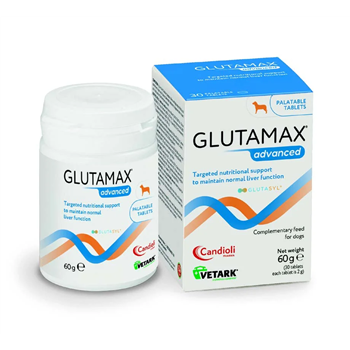
If you are searching for UK pet medication that is accessible and straightforward to use at home, these options can be a practical first step for mild, recurring issues or seasonal flare‑ups. They are also useful alongside vet‑directed care, because many pets benefit from ongoing nutritional and topical support even when no prescription medicines are needed. You will find oral supplements, calming aids, digestive care products, and skin and coat essentials, including shampoos and conditioners. It may be appropriate to speak to your vet, but you do not need a prescription to buy any of these supplements.
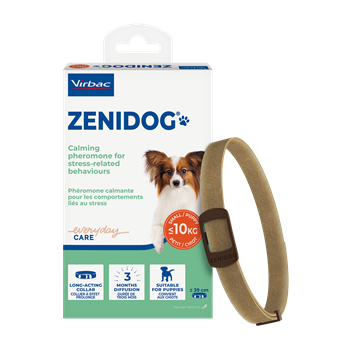
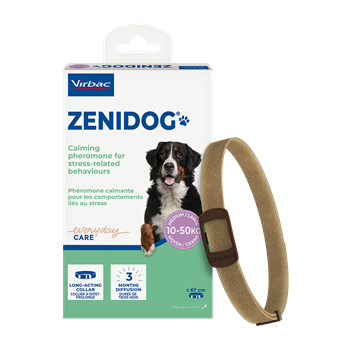
Anxiety is one of the most common quality‑of‑life concerns in dogs and cats, and it can show up as pacing, vocalising, hiding, destructive behaviour, or toileting in the wrong place. Non‑prescription calming supplements can support the nervous system during situational stress such as fireworks, travel, changes in the household, or time spent alone. Depending on the product, you may see clinically recognised ingredients such as L‑tryptophan, L‑theanine, alpha‑casozepine, magnesium, and selected B vitamins, which are often used to help promote relaxation without heavy sedation. Some owners prefer pheromone‑based support, delivered as diffusers, sprays or collars, to encourage a sense of security in the home. When you choose UK pet medication for anxiety, look for guidance on timing, weight‑based dosing, and whether it is intended for short‑term events or daily use. Because these are non‑prescription, you can trial them responsibly while observing your pet’s behaviour, appetite, and overall comfort.
Senior pets may also need extra support as age‑related changes affect the brain and senses. Vets may describe this as canine cognitive dysfunction syndrome (CCDS) or feline cognitive dysfunction, and it can be mistaken for “just getting old”. Non‑prescription supplements aimed at cognitive health typically focus on maintaining neuronal function and reducing oxidative stress, using ingredients such as omega‑3 fatty acids (DHA/EPA), antioxidants (for example vitamins E and C), phosphatidylserine, or medium‑chain triglycerides in some formulations. You might consider cognitive support if you notice several of the following changes developing gradually:
- Your pet seems disorientated, gets stuck in corners, or struggles with familiar routes.
- Sleep patterns change, with more restlessness at night and drowsiness during the day.
- Interaction shifts, such as reduced greeting behaviour or increased clinginess.
- House training lapses occur without an obvious urinary or gastrointestinal cause.
- Repetitive behaviours appear, including pacing, staring, or vocalising for no clear reason.
Because the same signs can overlap with pain, sensory loss, endocrine disease, or hypertension, it is sensible to involve your vet, but supportive UK pet medication can be part of a wider plan to keep routines predictable, enrichment gentle, and the home environment safe.
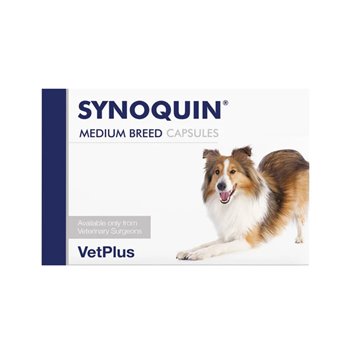
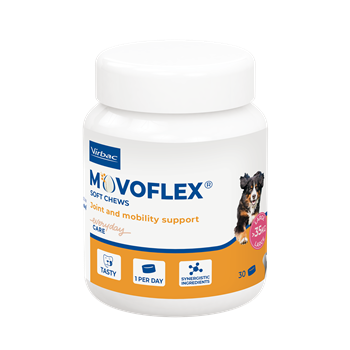
Joint stiffness is another area where non‑prescription support can make daily movement easier, particularly for breeds predisposed to osteoarthritis or pets with a history of injury. Early changes are often subtle: a reluctance to jump, slower rising, shortened walks, or stiffness after rest. Joint supplements do not act like prescription anti‑inflammatories, but many are formulated to support cartilage and normal joint lubrication, and they are widely used as long‑term nutraceutical care. Common clinically referenced ingredients include glucosamine, chondroitin sulphate, MSM (methylsulfonylmethane), green‑lipped mussel, collagen peptides, and omega‑3 oils for inflammatory modulation. Some products also include botanicals such as turmeric or Boswellia serrata, which may be useful for mild, ongoing discomfort in some pets. When selecting UK pet medication for joints, consider palatability, whether your pet needs a loading dose, and realistic timelines, as it can take several weeks to judge benefit. Gentle exercise, weight control, and supportive bedding can enhance results and help protect mobility as pets age.
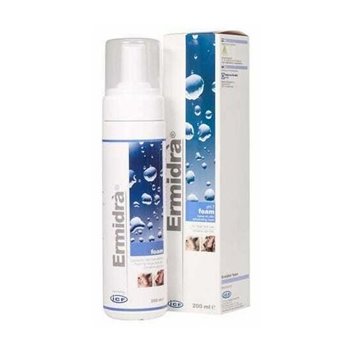
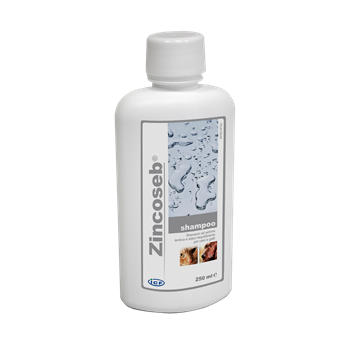
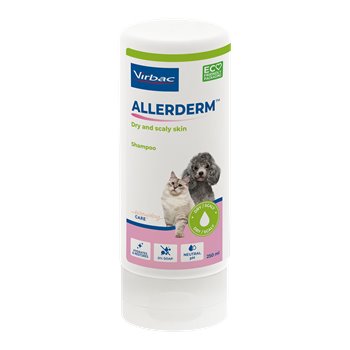
Itching and skin irritation (pruritus) can be distressing for pets and owners alike, and it may be linked to allergies, parasites, dry skin, or recurrent dermatitis. Non‑prescription skin care includes both topical products and nutritional support. Shampoos and cleansing washes can help remove allergens, reduce odour, and soothe inflamed areas, and you may see ingredients such as colloidal oatmeal, aloe vera, ceramides, chlorhexidine, or antifungal agents depending on the intended use. For pets with sensitive skin, fragrance‑free, pH‑balanced formulas are often a good starting point, particularly if the coat needs frequent washing. Skin and coat supplements commonly provide essential fatty acids (omega‑3 and omega‑6), biotin, zinc, and vitamins that contribute to barrier function and coat shine, which may reduce flaking and support recovery from minor irritation. If you are exploring UK pet medication for itching, it helps to note where the itching occurs, whether there are hot spots, redness, or hair loss, and if symptoms are seasonal, as this information guides product choice and indicates when veterinary assessment is needed.
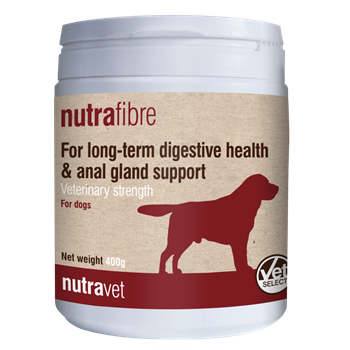
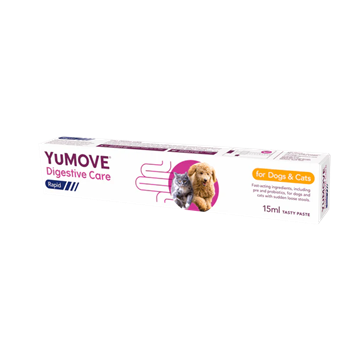
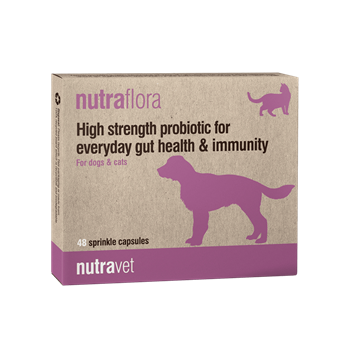
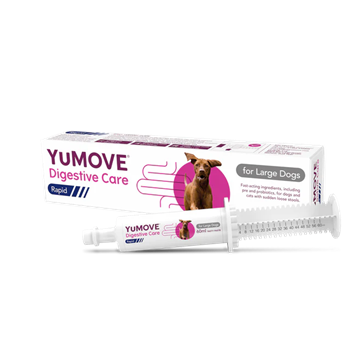
Digestive upsets, including intermittent diarrhoea, flatulence, or soft stools, are also common reasons to reach for non‑prescription support. Mild gastrointestinal disturbance may follow dietary change, stress, scavenging, or antibiotic courses, and many pets respond well to gut‑focused supplements that help stabilise the microbiome. Options may include probiotics (beneficial bacteria), prebiotics (fermentable fibres that feed them), binding agents such as kaolin and pectin, or fibre sources that improve stool consistency. Some products add electrolytes to support hydration, especially for small dogs, kittens, or senior pets, and others combine digestive enzymes with gentle fibre for pets that are prone to sensitive stomachs. When using UK pet medication for diarrhoea, choose a product that matches your pet’s age and size, introduce it as directed, and monitor appetite and energy. Diarrhoea that is profuse, contains blood or black tarry material, is paired with repeated vomiting, or lasts more than 24–48 hours can indicate gastroenteritis or another underlying problem and warrants veterinary advice. For day‑to‑day digestive resilience, non‑prescription UK pet medication can be used thoughtfully, with careful observation of what improves your pet’s comfort.
Do I need a prescription to buy these supplements and non‑prescription treatments?
No. These products are classed as non‑prescription support, so you can buy them without a veterinary prescription. They are intended for mild issues or ongoing wellbeing, not emergencies. If your pet is on prescription medicines, is pregnant, or has chronic disease, it is sensible to check with your vet before starting anything new.
What non‑prescription options can help with anxiety in dogs?
Calming chews, capsules, or liquids often use ingredients such as L‑theanine, L‑tryptophan, or alpha‑casozepine to support relaxation. Pheromone diffusers and sprays can also help in the home. For predictable triggers like fireworks, start early and follow weight‑based directions. Severe or sudden anxiety should be discussed with your vet.
How do joint supplements help pets with arthritis?
Joint supplements support mobility by providing nutrients associated with cartilage and joint function, such as glucosamine, chondroitin, omega‑3 oils, collagen, or green‑lipped mussel. They are not the same as prescription pain relief, but they can be useful for long‑term support. Give them consistently and assess change over several weeks.
What can I use for itching without a prescription?
Non‑prescription options include soothing shampoos (for example oatmeal‑based), barrier and moisturising sprays, and skin and coat supplements containing omega‑3 fatty acids, biotin, and zinc. It also helps to ensure parasite control is up to date. If there are sores, swelling, ear problems, or persistent scratching, a vet visit is important.