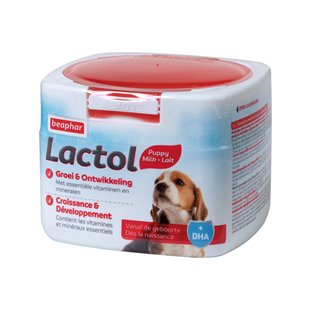
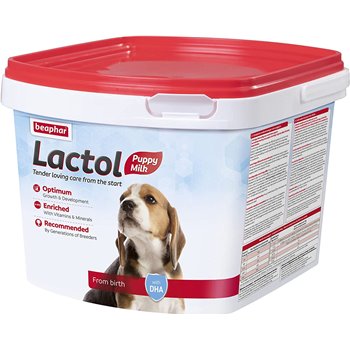
Lactol Puppy Milk is a specialised milk replacer formulated to support puppies when they cannot get enough nourishment from their dam. This can happen if a puppy is orphaned, if mum is unwell, if the litter is large, or if the smallest pups are being nudged away from the teats by stronger siblings. In the neonatal period, puppies have limited energy stores and a high metabolic rate, so even short gaps in feeding can contribute to hypoglycaemia, dehydration and poor thermoregulation.
Lactol Puppy Milk gives you a dependable way to provide energy, fluids and key nutrients when extra feeding is clinically appropriate, helping to protect a puppy’s weight curve and general vitality while you work towards stable nursing or a managed hand-rearing routine. Many carers find it reassuring to keep a simple feeding chart, because consistent intake and a calm, warm puppy after feeds are positive clinical signs.
Lactol Puppy Milk works by providing a balanced blend of macronutrients and micronutrients intended to mimic the functional role of canine milk. The proteins supply essential amino acids needed for growth and tissue repair, and the fats provide an energy-dense fuel source that supports healthy weight gain and neurological development. The liquid format supports hydration and helps maintain electrolyte balance when intake from the dam is reduced. Digestibility matters because neonatal enzyme activity is still maturing and the intestinal lining is sensitive, so a well-tolerated milk replacer can reduce gastrointestinal stress. Lactol Puppy Milk is designed for regular, small-volume feeds, which suits a puppy’s limited gastric capacity and helps avoid overloading the stomach. It is also worth noting that Lactol Puppy Milk is nutrition, not colostrum; colostrum provides early immune support via immunoglobulins, so prompt veterinary advice is important if a puppy has missed that critical first feed from the dam.
Lactol Puppy Milk can be used in several practical ways depending on the puppy’s circumstances. For complete hand-rearing, Lactol Puppy Milk may be used as the primary milk source from birth until the puppy is ready to transition onto solid food, with feeds offered little and often to match natural nursing patterns. For supplementary feeding, Lactol Puppy Milk can be offered as “top-up” feeds while the puppy continues to nurse, which is especially helpful for runts, pups recovering from illness, or puppies that tire quickly at the teat. Lactol Puppy Milk can also help when the dam has mastitis, is recovering after a caesarean, or has a reduced milk supply. As puppies grow, Lactol Puppy Milk can be mixed into an appropriate weaning food to create a smooth gruel, making the transition to solids gentler on the digestive tract and encouraging confident lapping. Regular weighing on a gram scale is one of the most reliable ways to judge whether a feeding plan is working. A daily record of feeds, weights and stool consistency can help you spot subtle changes early and share clear information with your vet.
Puppies often show clear signs when they are struggling, and Lactol Puppy Milk can form part of a broader care plan that also includes warmth, hygiene and close monitoring. Signs that may indicate a puppy needs supplementary feeding or prompt veterinary assessment include:
- a poor latch or weak suckling reflex
- persistent crying, restlessness, or failure to settle after nursing
- low body temperature, lethargy, or reduced movement
- slow weight gain, no gain, or weight loss over 24 hours
- dehydration indicators such as tacky gums or reduced skin elasticity
- digestive upset, including diarrhoea, abdominal distension, or repeated regurgitation
When offering Lactol Puppy Milk, feeding technique is just as important as the feed itself. Puppies should be warmed first, because a hypothermic neonate cannot digest milk properly and is at higher risk of complications. Feed in a natural belly-down position, and allow the puppy to suck at a controlled pace rather than forcing milk into the mouth, as forcing can lead to inhalation of fluid and aspiration pneumonia. Use clean bottles, teats and mixing equipment, and discard any feed that has been left standing. Very young puppies may also need gentle toileting after feeds to support urination and defecation, because their elimination reflexes are not fully developed. If coughing, milk coming from the nose, persistent bloating, repeated vomiting, or ongoing diarrhoea occurs, veterinary guidance is important.
Lactol Puppy Milk is sometimes used beyond the immediate newborn stage as supportive nutrition for the dam and for dogs that need a palatable, easy-to-digest option. During late pregnancy and lactation, a bitch’s energy requirements rise sharply, and maintaining an appropriate body condition score supports both recovery and milk production. In selected cases, Lactol Puppy Milk can be offered as an additional drink or mixed into food to encourage intake, particularly if the bitch is a fussy eater or nursing a large litter. Some owners also use Lactol Puppy Milk as short-term nutritional support for convalescing dogs with reduced appetite, because a warm, milky feed can be easier to accept than dry food while the underlying issue is being assessed and treated.
For best results, always prepare Lactol Puppy Milk exactly as directed, because concentration affects osmolality and gastrointestinal tolerance. If feeds are too strong, they can contribute to diarrhoea and dehydration; if feeds are too weak, a puppy may drink well but still fail to meet energy needs. Mix Lactol Puppy Milk with water that is safe for the puppy, cool it to a comfortable temperature before feeding, and make up only what you need for each session where possible. Store the powder in a dry place with the lid closed, and follow the manufacturer’s guidance on how long prepared Lactol Puppy Milk can be kept, as bacterial growth is a real risk for neonates. Introduce changes gradually when you can, and be cautious with puppies that have structural issues such as cleft palate, as they are at higher risk of aspiration and often need a vet-led feeding plan. If you are unsure about volumes, feeding intervals, or a puppy’s progress, a veterinary surgeon or veterinary nurse can help you tailor Lactol Puppy Milk use to support safe growth and steady development.
What is Lactol Puppy Milk used for?
Lactol Puppy Milk is used for hand-rearing orphaned puppies, topping up small or weak pups, and supporting litters when the dam’s milk is limited. It supplies easily digested calories, protein and fat, plus essential vitamins and minerals, helping to maintain hydration status and steady weight gain.
Can Lactol Puppy Milk replace the mother’s milk completely?
Yes, Lactol Puppy Milk can be used for complete hand-rearing when a puppy cannot nurse. However, it does not replace colostrum, which provides early immune protection through immunoglobulins. If a puppy has missed colostrum, speak to your veterinary team quickly so overall neonatal care is properly planned.
How often should I feed a newborn puppy Lactol Puppy Milk?
Newborn puppies usually need small, frequent feeds because their stomach capacity is limited and their energy demands are high. The exact interval depends on age, size and clinical status. Follow the product guidance and your vet’s advice, and monitor daily weight gain to confirm adequacy.
Can Lactol Puppy Milk help a weak or runt puppy gain weight?
Lactol Puppy Milk can help support a weak or runt puppy when given as planned top-up feeds alongside nursing. The goal is a steady bodyweight trajectory, not rapid overfeeding. Weigh the puppy daily, keep them warm, and seek veterinary advice if weight gain remains poor or the puppy seems lethargic.
How do I prevent aspiration when bottle-feeding Lactol Puppy Milk?
Keep the puppy in a natural, belly-down nursing position and let them suck at their own pace. Avoid squeezing the bottle, which can push fluid into the airway. Use the correct teat size and flow rate, and stop if the puppy coughs, splutters or has milk coming from the nose.