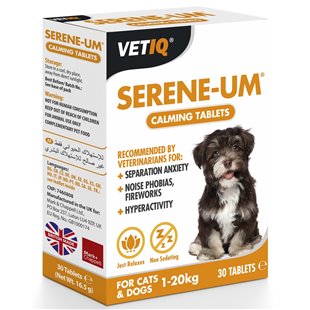
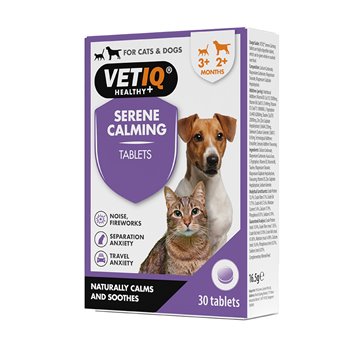
Serene-UM Calming Tablets can be used for cats that seem unsettled, tense, or easily overwhelmed by everyday life. Cat anxiety is common and it is not simply “bad behaviour”; it is a welfare concern in which the brain and body stay on high alert, even when the environment looks safe to us. That heightened arousal can show up as hiding, pacing, excessive vocalising, scratching, reactivity, or toileting outside the litter tray, and it can also make routine handling and vet visits feel much harder.
Cats can develop situational anxiety (for example, travel or visitors), more generalised worry, or fear-related behaviours after a frightening event. Even “mild” anxiety matters, because living in a constant state of vigilance is exhausting and can gradually reduce quality of life. Serene-UM for Cats is designed to support calm, settled behaviour while you address the reasons your cat is feeling unsafe, such as change, conflict, noise, or previous negative experiences. It is suitable for owners who want a straightforward, non-sedating approach that can sit alongside environmental management and behaviour support, rather than masking the problem. Used thoughtfully, Serene-UM for Cats can help create the breathing space your cat needs to relax, learn, and rebuild confidence at home.
When a cat perceives a threat, the autonomic nervous system shifts towards sympathetic activation and the hypothalamic–pituitary–adrenal (HPA) axis increases the release of stress hormones, including cortisol and adrenaline. In the short term, this “fight-or-flight” response is protective, but when it stays switched on it can affect appetite, sleep, digestion, and social behaviour. Serene-UM for Cats is formulated to support normal neurochemical signalling linked with relaxation and resilience, including pathways associated with GABAergic and serotonergic activity, which influence arousal and coping. Rather than “knocking a cat out”, Serene-UM for Cats is intended to help smooth the peaks of the stress response, so your cat can remain more receptive to reassurance, routine, and positive experiences. Calmer physiology often supports calmer choices, which is why steady, consistent use can be helpful during extended periods of change.
Cats are experts at masking discomfort, so anxiety can be subtle at first. Some cats freeze and withdraw, while others become restless and harder to settle, and both patterns can be driven by the same stress physiology. Signs commonly associated with feline anxiety include:
- Avoidance or hiding, especially in response to noise, visitors, or household changes.
- Increased startle response, scanning the room (hypervigilance), clinginess, or following you from place to place.
- Overgrooming, barbering, or skin sensitivity that worsens during stressful periods.
- Changes in appetite, nausea-type lip licking, or vomiting linked to stressful events.
- Urine marking, inappropriate toileting, or litter tray avoidance.
- Defensive aggression, swatting, or resistance to being handled.
If you recognise these signs, Serene-UM for Cats can be a supportive addition, but it is important to rule out medical causes before assuming the issue is purely behavioural. Pain (including arthritis), dental disease, hyperthyroidism, gastrointestinal disease, cognitive dysfunction in older cats, and urinary tract disorders can all mimic or worsen anxiety-like behaviour. Stress can also aggravate conditions such as feline idiopathic cystitis, so a veterinary check is especially important if there are urinary signs, weight loss, or a sudden change in temperament.
Serene-UM for Cats is often chosen for predictable stressors and for situations where you can plan ahead. In multi-cat households, anxiety can arise from competition over space and resources, and it may appear as staring, blocking doorways, guarding food bowls, or tension around the litter area. Indoor-only cats can develop stress from boredom or frustration, especially when there are limited hiding spots, little vertical space, or unpredictable noise. Serene-UM for Cats may also be helpful around fireworks, building work, travel, boarding, moving house, or introductions to a new pet or baby. If your cat is already on a behaviour plan, Serene-UM for Cats can sit alongside desensitisation and counterconditioning by helping your cat stay under their threshold, where learning is possible. It can also complement other supportive measures such as pheromone diffusers, gentle handling strategies, and predictable routines, all of which reduce the overall “stress load” on the nervous system.
Give Serene-UM for Cats exactly as directed on the packaging or as advised by your vet, and keep the timing consistent so your cat can predict what happens next. Calming support tends to work best when it is paired with a stable routine: reliable feeding times, several safe resting places, and separate resources in multi-cat homes, such as one litter tray per cat plus one extra, multiple water stations, and more than one route in and out of key rooms. If your cat is fussy, ask your vet about practical ways to offer tablets and whether they can be given with food, because forcing medication can increase anxiety and reduce trust. Most cats tolerate calming supplements well, but any product can cause individual sensitivity, so watch for mild gastrointestinal upset, unusual sleepiness, or changes in appetite. Seek veterinary advice promptly if your cat is pregnant, nursing, very young, has significant medical disease, or is taking other medicines, and stop use if you notice any worrying reactions.
Because anxiety affects both mind and body, the most reassuring approach is one that supports the whole cat over time. Pair Serene-UM for Cats with practical changes that reduce conflict and increase choice: add vertical space and escape routes, provide covered beds, place scratching posts in multiple locations, and use puzzle feeders to encourage natural foraging behaviour. Keep play sessions short and frequent so your cat can channel predatory energy without becoming overstimulated, and reward calm choices rather than forcing contact. A simple diary of triggers, body language, and progress can help you spot patterns, measure improvement, and share useful detail with your vet. If anxiety is persistent or severe, your vet may recommend referral to a qualified clinical animal behaviourist and may also discuss prescription anxiolytics alongside Serene-UM for Cats as part of a tailored plan for long-term emotional health.
What is anxiety in cats?
Anxiety in cats is a prolonged state of fear or worry in which the stress response stays active, even without an immediate threat. Clinically, it can involve hypervigilance, avoidance, and changes in appetite or toileting. It often develops after change, conflict, pain, or a frightening experience, and it can persist without support.
What are the common signs of anxiety in cats?
Signs vary, but often include hiding, increased startle response, excessive vocalising, pacing, overgrooming, reduced appetite, and litter tray avoidance or urine marking. Some cats become clingy, while others avoid contact. If signs appear suddenly or alongside weight loss, vomiting, or urinary issues, arrange a vet check.
What can trigger anxiety in cats?
Triggers can be obvious, such as fireworks, visitors, travel, or moving house, but they can also be subtle, like changes in routine, unfamiliar scents, or tension with another cat. Pain and illness are common hidden triggers. Identifying patterns, such as the time of day or location, helps you reduce exposure and plan support.
How long does Serene-UM for Cats take to work?
Every cat is different. Some cats appear more settled within a few days, while others need steady use for a couple of weeks, especially if stress has been present for a long time. For planned events, it helps to start early where possible. Follow the label directions and speak to your vet if progress is limited.
What should I do if my cat wees outside the litter tray?
Litter tray problems can be behavioural, but they are also a common sign of urinary disease, pain, or stress-related cystitis. Arrange a veterinary check first, especially if there is straining, blood in urine, or frequent small wees. At home, add extra trays, keep them clean, and place them in quiet, accessible areas.