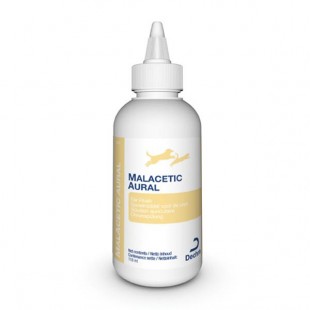
Malacetic Aural Ear Cleaner for Cats is a daily ear cleanser used to support ear hygiene in cats, especially when wax and debris build up faster than you would expect. A cat’s ear canal is warm and sheltered, so when cerumen (ear wax), shed skin and trapped moisture collect, the skin can become irritated and the canal can start to smell unpleasant. Malacetic Aural Ear Cleaner for Cats helps lift away that build‑up so the ear feels cleaner and more comfortable, without needing vigorous rubbing.
Malacetic Aural Ear Cleaner for Cats works on two simple clinical goals: cleaning the canal and supporting a healthy pH. In cases of otitis externa, the skin lining the external ear canal becomes inflamed and can produce more wax and exudate, which in turn traps bacteria and yeast. Malacetic Aural Ear Cleaner uses an acidifying system (commonly based on mild organic acids used in veterinary ear care) to help keep the canal on the acidic side, which is less favourable for many opportunistic microbes such as Malassezia yeast and certain bacteria. Alongside that pH support, cleansing agents help loosen greasy debris and break up compacted wax so it can be removed from the visible canal opening. This matters because waxy material can act like a barrier, preventing prescribed ear drops from reaching the skin evenly; a cleaner canal can help treatment contact the tissue more consistently when a vet has advised medication.
A key benefit of Malacetic for Cats is that it can make recurring ear management feel steadier and less reactive. Some cats experience flare‑ups linked to underlying drivers such as allergic skin disease, narrowing of the ear canal, heavy wax production, or grooming habits that carry debris into the ears. By helping to clear cerumen and reduce the damp, wax‑rich conditions that microbes prefer, Malacetic Aural Ear Cleaner for Cats can support comfort between vet visits and may reduce the intensity of background irritation. Owners often notice that ears look less greasy, the odour is milder, and the cat is less inclined to scratch or shake their head after a consistent routine is established. Importantly, a cleanser is not a cure for infection on its own, but it can be a valuable part of skin‑barrier care and can complement veterinary treatment plans. In clinic, cleaning is often used to improve visualisation of the canal and to reduce surface debris that can interfere with cytology or with how well topical drops spread over the skin. For cats that dislike strong scents or sticky products, a straightforward cleanser routine can feel more acceptable than repeated wiping.
Knowing when to use Malacetic Aural Ear Cleaner for Cats starts with recognising early clinical signs and understanding when a vet check is the safest option. Mild wax and debris can be managed at home, but persistent inflammation can involve bacteria, yeast, ear mites, or a foreign body, and each needs a different approach. You may want to inspect and clean your cat’s ears if:
- Your cat shakes their head repeatedly or scratches at one ear more than the other.
- You notice dark brown, yellow, or black discharge on the ear flap or at the canal opening.
- There is a sour, “yeasty”, or otherwise unusual ear odour.
- The skin looks red (erythematous), swollen, or feels warmer than usual.
- Your cat reacts as if the ear is tender when touched, or avoids being stroked near the head.
Malacetic Aural for Cats is suitable for routine cleansing, but it should not delay veterinary assessment if there is marked pain, a head tilt, loss of balance, bleeding, thick pus‑like discharge, or if symptoms keep returning. A vet can examine the canal and tympanic membrane (eardrum) and may perform ear cytology to identify yeast, cocci, or rod‑shaped bacteria so the right treatment is chosen.
For best results, use Malacetic Ear Cleaner with a calm, gentle technique that protects the ear canal skin. Choose a quiet moment and have cotton wool or soft gauze ready; cotton buds are not recommended because they can push debris deeper and irritate the canal lining. Warm the bottle in your hands first so the fluid feels less startling. Lift the ear flap, apply the recommended amount into the canal opening, then massage the base of the ear for 20–30 seconds to help the cleanser reach waxy areas and loosen debris. Let your cat shake their head, then wipe away any loosened material you can see. Many vets suggest cleaning before applying prescribed drops, and they may advise a short period of more frequent cleansing during a flare‑up, then spacing out once the ear is stable. Do not use Malacetic Aural Ear Cleaner for Cats if your cat has a known or suspected ruptured eardrum, has had ear surgery, or if cleaning causes significant pain, unless a vet has confirmed it is appropriate.
Cats can be sensitive about their ears, so the benefits of Malacetic Aural are often as much about stress‑reduction as they are about cleanliness. A predictable routine, slow handling and a brief reward afterwards can make ear care feel safer, especially for cats that have had sore ears in the past. Regular cleaning can also help you spot changes early, such as increased discharge, thickening of the skin at the canal entrance, or a return of odour, which can be useful information to share with your vet. If your cat is being treated for otitis externa, Malacetic Ear Cleaner for Cats may help keep the canal clear so follow‑up examinations are easier and topical therapies can be used more effectively. If you are ever uncertain about frequency or technique, your veterinary team can demonstrate the safest way to use this cleanser for your individual cat.
How often should I use Malacetic Aural Ear Cleaner?
For routine hygiene, many cats do well with weekly or fortnightly cleaning, but the ideal frequency depends on wax production and any underlying skin disease. During a flare‑up, a vet may advise cleaning more often for a short time, especially before applying ear drops. Stop and seek advice if the ear seems painful.
Can Malacetic for Cats help with yeast in the ears?
Yeast (often Malassezia) tends to thrive in warm, moist, waxy ear canals. By loosening debris and supporting a more acidic ear canal pH, Malacetic Ear Cleaner for Cats can make the environment less favourable for overgrowth. If yeast is present, a vet will usually prescribe an antifungal medication as well.
Is Malacetic safe for kittens?
Kittens can have sensitive skin and narrow ear canals, so gentle technique matters. Malacetic Ear Cleaner is generally used in cats of different ages, but it is best to ask your vet before using any ear product in very young kittens, or if you suspect ear mites, infection, or a damaged eardrum.
What are the signs my cat might need ear cleaning?
You might notice head shaking, repeated scratching, a new ear odour, visible wax or discharge, or redness at the canal entrance. Some cats become touch‑sensitive around the head. If there is marked pain, a head tilt, balance issues, bleeding, or thick pus‑like discharge, a vet check is urgent rather than home cleaning.
Can I use Malacetic Ear Cleaner for Cats if my cat has ear mites?
Ear mites can cause intense itch and dark debris, and they need specific antiparasitic treatment. Cleaning can help remove debris and improve comfort, but it will not eliminate mites on its own. If mites are suspected, confirm with a vet and use Malacetic Aural only as part of the recommended treatment plan.