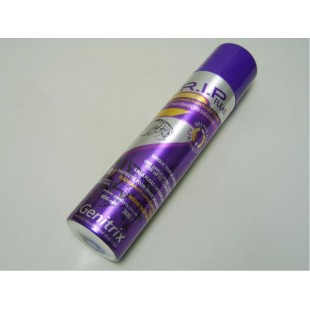
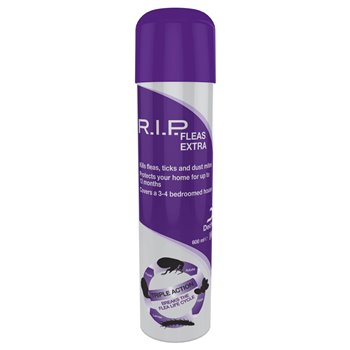
Fleas are small parasites that feed on blood, and even a few bites can trigger pruritus (itchiness), restlessness, and disrupted sleep. RIP Fleas Spray for Cats is intended for owners who want a straightforward way to address flea activity in the home. RIP Fleas Spray can be useful whether you have seen live fleas, noticed “flea dirt” (black specks that turn red-brown when moistened), or your cat has started over-grooming and looking uncomfortable. Cats with outdoor access are at obvious risk, but indoor cats can still pick up fleas through visiting animals, shared hallways, or even on human clothing and bags. Using RIP Fleas Spray early helps limit the number of bites, which can make a real difference for cats that are prone to skin inflammation, stress-related grooming, or flare-ups of existing dermatological conditions.
Adult fleas live on the host, while eggs drop into carpets, bedding, and sofa seams, where larvae and pupae develop and later emerge as new adult...
Fleas are small parasites that feed on blood, and even a few bites can trigger pruritus (itchiness), restlessness, and disrupted sleep. RIP Fleas Spray for Cats is intended for owners who want a straightforward way to address flea activity in the home. RIP Fleas Spray can be useful whether you have seen live fleas, noticed “flea dirt” (black specks that turn red-brown when moistened), or your cat has started over-grooming and looking uncomfortable. Cats with outdoor access are at obvious risk, but indoor cats can still pick up fleas through visiting animals, shared hallways, or even on human clothing and bags. Using RIP Fleas Spray early helps limit the number of bites, which can make a real difference for cats that are prone to skin inflammation, stress-related grooming, or flare-ups of existing dermatological conditions.
Adult fleas live on the host, while eggs drop into carpets, bedding, and sofa seams, where larvae and pupae develop and later emerge as new adults. This is why cats may seem improved for a short time and then become itchy again as fresh adults hatch. Some cats also develop flea allergy dermatitis (FAD), a hypersensitivity reaction to proteins in flea saliva, which can cause disproportionate inflammation after only a small number of bites. Signs that can point to fleas include:
- Your cat scratches frequently, shakes their head, or shows skin twitching.
- You notice papules, scabs, or “miliary dermatitis” along the back and neck.
- Your cat over-grooms and develops patchy alopecia, especially over the rump and inner thighs.
- You find visible flea dirt, or your cat seems low in energy with pale gums, which can suggest anaemia in heavy infestations.
Fleas can also act as vectors for other problems, and cats may ingest fleas while grooming, increasing the risk of tapeworm (Dipylidium caninum). Using RIP Fleas Spray promptly can help reduce the bite burden, which supports calmer skin and helps break the itch–scratch cycle that can lead to excoriations and secondary bacterial infection.
Can indoor cats really get fleas?
Yes. Fleas can hitchhike on visiting pets, people’s clothing, or items brought into the home, and eggs can persist in soft furnishings. Even indoor-only cats can develop an infestation. Using RIP Fleas Spray early, plus regular vacuuming and washing bedding, helps limit the bite burden.
What is flea allergy dermatitis in cats?
Flea allergy dermatitis (FAD) is a hypersensitivity reaction to flea saliva. Cats may develop miliary dermatitis, papules, scabs, and patchy alopecia, often over the rump and back. Because only a few bites can trigger a flare, strict flea control is important, alongside soothing skin care.
When should I speak to a vet about fleas?
Seek veterinary advice if your cat has open sores, widespread hair loss, marked lethargy, vomiting, tremors, or signs of anaemia such as pale gums. A vet can check for secondary bacterial infection, parasites like mites, or allergy triggers. They can also advise on safe, effective flea prevention.