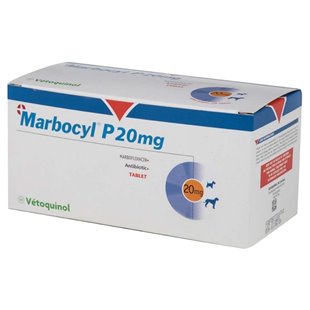
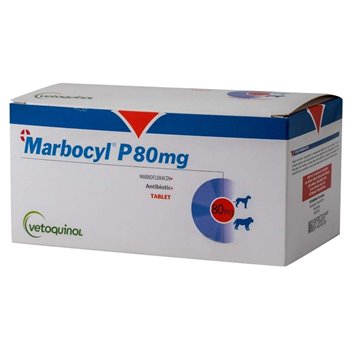
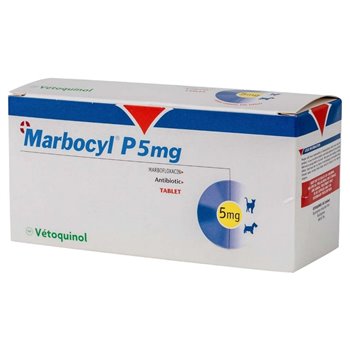
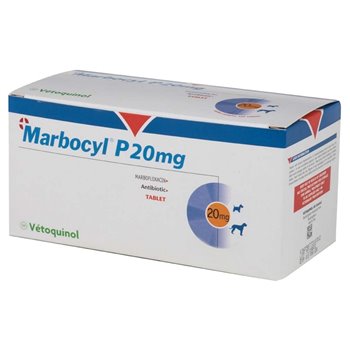
Marbocyl P Tablets are prescription-only antibiotic tablets used by vets to treat specific bacterial infections in dogs (and, in some cases, cats). Each dose contains marbofloxacin, a fluoroquinolone antimicrobial that is selected when your vet believes a susceptible bacterium is driving the problem. Marbocyl P Tablets are often chosen because they achieve therapeutic concentrations in many tissues, which can be helpful when bacteria are established under the skin, within the urinary tract, or deeper in the respiratory system. If your pet has been prescribed Marbocyl P Tablets, it usually means your vet has assessed the clinical signs, weighed up other causes such as allergy, trauma, or inflammation, and decided that an antibiotic is clinically appropriate. Because antibiotics need to be used carefully to protect their future effectiveness, Marbocyl P Tablets should only be given to the animal they were prescribed for and exactly as directed.
Marbocyl P Tablets are commonly prescribed for infections where bacteria are likely to be involved, such as superficial or deep pyoderma (bacterial skin infection), infected wounds, urinary tract infections (including cystitis), and some lower respiratory infections. Your vet may recommend tests such as cytology, a swab for culture and sensitivity, or a urine analysis, particularly if the infection is recurrent, severe, or has not responded to earlier treatment. Signs that can prompt a veterinary assessment include:
- Itchy, red, oozing, or crusty skin; pustules; hair loss; or a strong skin odour.
- Frequent urination, straining, blood-tinged urine, licking at the genitals, or accidents in the house
- Coughing, nasal discharge, lethargy, fever, or a noticeable drop in appetite.
- Pain around a wound, swelling, heat, discharge, or a wound that is not closing as expected.
Not every sore patch of skin or episode of coughing needs an antibiotic, and Marbocyl P Tablets will not treat viral illnesses, parasites, or fungal infections, which is why diagnosis and follow-up advice from your vet are so important.
Marbofloxacin is bactericidal, which means it kills susceptible bacteria rather than simply slowing them down. It does this by targeting enzymes bacteria use to copy and repair their DNA, including DNA gyrase and topoisomerase IV. When these enzymes are inhibited, bacterial DNA cannot replicate properly, and the bacteria cannot continue to multiply within infected tissue. In practical terms, Marbocyl P Tablets reduce the bacterial load so the immune system can regain control, inflammation can settle, and damaged skin, bladder lining, or airway tissue can begin to heal. Many pets start to look brighter within a couple of days, but deeper infections can take longer to resolve, and visible improvements in the skin or urinary signs can lag behind what is happening microscopically. If your dog seems no better after a few days, or gets worse at any time, your vet may reassess the diagnosis or consider additional testing.
Marbocyl P Tablets are usually given once daily, but the exact dose and duration depend on your pet’s weight, the site of infection, and how your pet responds. Follow your vet’s dosing instructions carefully, and try to give Marbocyl P Tablets at roughly the same time each day to keep drug levels steady. The tablets are designed to be palatable, which can help with compliance, and they can often be given with a small meal if your dog’s stomach is sensitive. If your dog is difficult to medicate, your vet team can advise whether the tablet can be hidden in a small amount of food or given directly, and whether splitting the tablet is appropriate for accurate dosing. Mineral supplements (such as calcium, iron, magnesium, or zinc), antacids, and some fortified foods can reduce absorption of fluoroquinolones, so ask your vet about spacing these away from Marbocyl P Tablets if your pet receives them. If you forget a dose of Marbocyl P Tablets, give it when you remember unless it is nearly time for the next dose, and never double up without veterinary guidance.
Most dogs tolerate Marbocyl P Tablets well, but side effects are possible with any antimicrobial and are not a sign that you have done something wrong. The most common reactions are gastrointestinal, such as mild vomiting, soft stools, diarrhoea, drooling, or a temporary reduction in appetite, and these may improve if the tablet is given with food. Less commonly, some pets may seem restless or disorientated, and very rarely tremors or seizures can occur; dogs with a history of epilepsy or other neurological disease should be discussed with your vet before starting treatment. Fluoroquinolones can affect developing cartilage, so Marbocyl P Tablets are not generally used in very young, growing dogs unless your vet considers the benefits to outweigh the risks. Tell your vet about any other medicines your dog takes (including non-steroidal anti-inflammatories, corticosteroids, or supplements), and contact the practice promptly if your dog becomes very unwell, cannot keep tablets down, develops facial swelling, hives, breathing difficulty, or any sudden neurological signs while taking Marbocyl P Tablets.
Because Marbocyl P Tablets are an antibiotic, completing the prescribed course matters even if your dog looks back to normal sooner. Stopping early can allow surviving bacteria to rebound and may contribute to antimicrobial resistance, which can make future infections more difficult to treat. Do not share Marbocyl P Tablets between pets, do not keep leftover tablets “just in case”. If you have unused Marbocyl P Tablets at the end of the course, return them to your vet or pharmacist for safe disposal. Do not combine them with other antibiotics unless your vet specifically advises it. If your dog is being treated for a urinary tract infection, your vet may suggest a follow-up urine test to confirm clearance; for skin disease, ongoing management of underlying causes such as allergies, parasites, or endocrine disease can be just as important as the antibiotic itself. Store Marbocyl P Tablets in their original packaging, at room temperature, out of reach of children and animals, and wash your hands after handling.
What are Marbocyl P Tablets used for in dogs?
Marbocyl P Tablets are prescribed by vets for certain bacterial infections in dogs, such as pyoderma (bacterial skin infection), infected wounds, urinary tract infections, and some respiratory infections. They are not suitable for every illness, so your vet may recommend tests to confirm bacteria are involved.
How quickly do Marbocyl P Tablets start working?
Marbocyl P Tablets begin acting after the first dose by reducing susceptible bacteria. Many dogs seem brighter within 24–72 hours, but infections can take longer to fully settle, especially skin and urinary problems. If signs are not improving after a few days, contact your vet for advice.
Can Marbocyl P Tablets be given with food?
Marbocyl P Tablets can often be given with a small amount of food, which may help reduce nausea. However, some mineral supplements and antacids can interfere with absorption. If your dog receives supplements containing calcium, iron, magnesium, or zinc, ask your vet how to space them.
What should I do if I miss a dose of Marbocyl P Tablets?
If you miss a dose of Marbocyl P Tablets, give it as soon as you remember unless it is close to the next scheduled dose. In that case, skip the missed dose and continue as normal. Do not give a double dose unless your vet specifically instructs you to.
What side effects can Marbocyl P Tablets cause?
Most dogs tolerate Marbocyl P Tablets well, but mild gastrointestinal effects can occur, including vomiting, soft stools, diarrhoea, drooling, or reduced appetite. Rarely, restlessness, disorientation, tremors, or seizures may occur. Seek veterinary help urgently if severe signs, swelling, or breathing difficulty develops.