


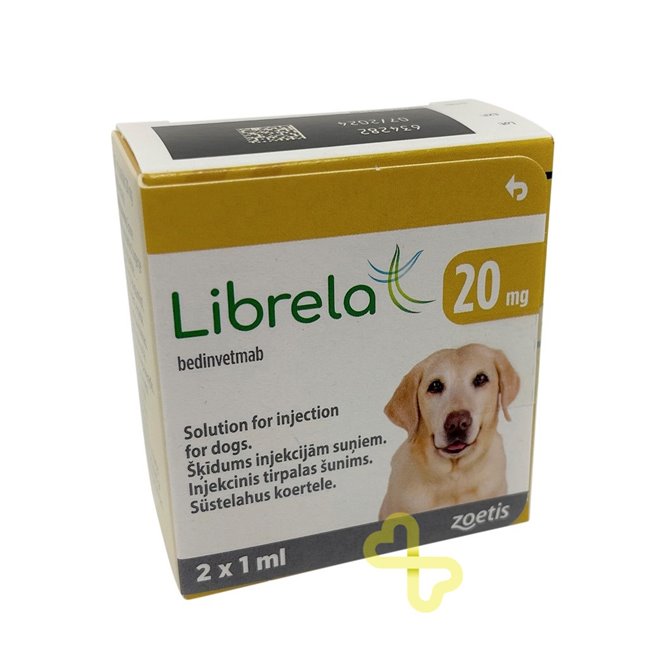
20mg Librela Solution for Dogs - 2 Vials
Librela 20mg is a prescription-only veterinary medicine used to alleviate pain associated with osteoarthritis in dogs. Each 1ml vial contains 20mg of bedinvetmab, a canine monoclonal antibody developed to act on a specific pathway involved in long-term joint pain.
Librela 20mg is given by subcutaneous injection, normally once a month, and the exact strength is selected by the veterinary surgeon according to the dog’s bodyweight and clinical needs. 20mg Librela is generally used for dogs weighing 30.1–40kg. Librela does not cure osteoarthritis or rebuild a damaged joint, but reducing pain can make rising, walking, resting and taking part in normal family activities more comfortable. Librela 20mg may be considered when persistent joint pain is affecting mobility or quality of life and should remain part of a wider, individually planned approach to canine arthritis care.
Librela is a refrigerated medication - We will send it via Royal Mail Special Delivery using insulated packaging and ice packs. A signature is required on delivery and it must be put straight into a fridge. We cannot guarantee same day dispatch for orders placed after 12pm. VETERINARY PRESCRIPTION REQUIRED.
Arthritis is a chronic, progressive disorder that can affect the cartilage, synovial lining, joint capsule, underlying bone and surrounding soft tissues. As the joint changes, movement becomes less smooth and inflammatory mediators and pain pathways become increasingly active. Dogs do not always cry or show obvious distress, so the first signs may be subtle and are sometimes mistaken for normal ageing.
Owners may notice stiffness after sleep, slower walks, difficulty climbing stairs, hesitation before jumping, lameness, reduced play, licking over a joint, altered posture or irritability when handled. Excess bodyweight can increase the load placed on painful joints, while loss of muscle can reduce stability around them.
Product Features
- Pack Size: - Pack of 2
- Target Animal: - Dog (Canine)
- Related Condition: - Osteoarthritis in Dogs
- Pet Prescription Required?: - Yes
- Active Ingredient: - Bedinvetmab
- Product Name: - Librela solution for injection for dogs
Additional Product Information
Description
Librela for Dogs works differently from conventional non-steroidal anti-inflammatory drugs (NSAIDS). Bedinvetmab binds to nerve growth factor (NGF), which has an important role in generating and maintaining osteoarthritis pain signals. By inhibiting NGF-mediated cell signalling, Librela 20mg can reduce the transmission and amplification of pain associated with affected joints. Because bedinvetmab is a monoclonal antibody rather than an NSAID or corticosteroid, it follows a different biological pathway and is expected to be broken down through normal protein catabolism into small peptides and amino acids. Some dogs show a useful improvement after the first monthly injection, while others may respond more clearly after the second dose. When there is no meaningful improvement after two doses given one month apart, the veterinary surgeon should reassess the diagnosis and consider other treatment options.
Librela 20mg should be used only in accordance with the prescribing veterinary surgeon’s directions. The authorised dose is 0.5–1.0 mg/kg once monthly, administered under the skin. It may be injected at the veterinary practice or, where the vet considers this appropriate, by an owner who has received clear training in safe handling, aseptic technique and correct disposal of needles and syringes. Librela 20mg must not be used in dogs under 12 months of age, animals intended for breeding, or pregnant or lactating animals, and it should not be used where hypersensitivity to bedinvetmab or an excipient is known. Extra caution is advised in dogs with a pre-existing seizure disorder or certain immune-mediated conditions, including immune-mediated haemolytic anaemia, polyarthritis or thrombocytopenia. Tell the vet about every medicine and supplement the dog receives. There are no safety data for concurrent long-term use of NSAIDs and bedinvetmab, so combinations, interruptions or changes must be directed by the vet rather than made at home.
Pain reduction can allow a dog to move more freely, but increased activity should be managed carefully. A dog that has exercised very little because of arthritis may feel able to do more before muscles, tendons and joints have regained adequate conditioning. After starting Librela 20mg, exercise should therefore increase gradually over several weeks, using regular controlled walks rather than sudden long outings, vigorous ball chasing or repeated jumping. Weight management is equally important because even modest excess weight adds mechanical stress to painful joints. Depending on the dog, the wider plan may include physiotherapy, hydrotherapy, non-slip flooring, ramps, supportive bedding, nail care and carefully selected nutritional products. Keep a simple record of walking pace, stiffness after rest, stair use, sleep, play, willingness to rise and any lameness before and after each Librela 20mg dose. Video clips taken in the same place can also help the vet compare movement over time. This gives more reliable information than memory alone and helps separate genuine improvement from normal day-to-day variation in osteoarthritis.
Store the vials refrigerated at 2–8°C in the original packaging, protected from light; do not freeze them and use an opened vial immediately.
What is Librela 20mg used for in dogs?
Librela 20mg is used to alleviate pain associated with osteoarthritis in dogs. It does not cure arthritis or repair damaged cartilage, but reducing pain may help an affected dog rise, walk, rest and take part in normal activities more comfortably as part of a veterinary-led management plan.
How does Librela for Dogs work?
Librela contains bedinvetmab, a canine monoclonal antibody that binds to nerve growth factor, or NGF. NGF contributes to the generation and maintenance of osteoarthritis pain signals. By inhibiting NGF-mediated signalling, Librela can reduce pain associated with affected joints without acting as an NSAID or corticosteroid.
How often is Librela 20mg given?
Librela 20mg is normally administered once a month by subcutaneous injection. The appointment or dosing date should follow the schedule set by the prescribing vet. Do not give an extra dose, shorten the interval or use leftover medicine after opening a vial unless the vet has specifically instructed you to do so.
How quickly does Librela start working in dogs?
Some dogs show improved comfort or mobility after the first injection, while others respond more clearly after a second monthly dose. Improvement is not guaranteed and may be gradual. If there is no meaningful response after two doses one month apart, the vet should reassess the diagnosis and treatment plan.
Is Librela 20mg an anti-inflammatory drug?
No. Librela 20mg is a monoclonal antibody medicine rather than a non-steroidal anti-inflammatory drug. It targets nerve growth factor, which is involved in osteoarthritis pain signalling. Although the treatment pathway differs from an NSAID, Librela still has precautions and possible adverse reactions that should be discussed with your vet.
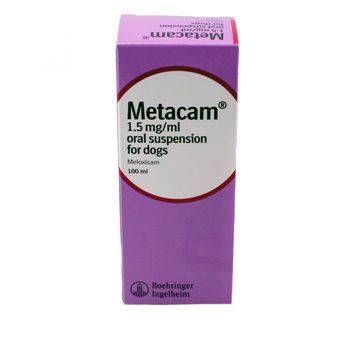
Can Librela be given with an NSAID such as Metacam and Loxicom?
Only the veterinary surgeon should decide whether Librela and an NSAID are used together. Product information states that there are no safety data for concurrent long-term use of NSAIDs and bedinvetmab in dogs. Do not begin, stop or combine pain medicines without veterinary advice, even when both were previously prescribed.
What side effects can Librela 20mg cause?
Possible reactions include mild injection-site swelling or warmth. Less commonly reported signs include vomiting, diarrhoea, reduced appetite, lethargy, incoordination, increased drinking or urination and urinary incontinence. Serious reactions are uncommon, but sudden weakness, seizures, facial swelling, breathing difficulty or new joint swelling require prompt veterinary attention.
How should Librela be stored?
Keep Librela 20mg refrigerated at 2–8°C in its original packaging and protected from light. Do not freeze it. The vial should appear clear to slightly opalescent without visible particles and must be used immediately after opening. Ask the dispenser what to do if the cold chain may have been interrupted.
What our customers say about us.
Excellent service delivered next day.
David
Source: Trustpilot Review
Amazingly, very quick delivery. Thank you!
RH
Source: Trustpilot Review
Ordering and payment were smoothly carried out, dispatch was timed to coincide with the delivery service to ensure the drugs reached me in a chilled state within the stated delivery time.
JB
Source: Trustpilot Review
You may also like
- Tracked 24 Delivery Follow your parcel online
- VMD & RCVS Registered VetDispense is a registered UK Dispensary
- Secure Payment Pay securely online by card or PayPal
- Independent Since 2008 A Trusted UK Dispensary