


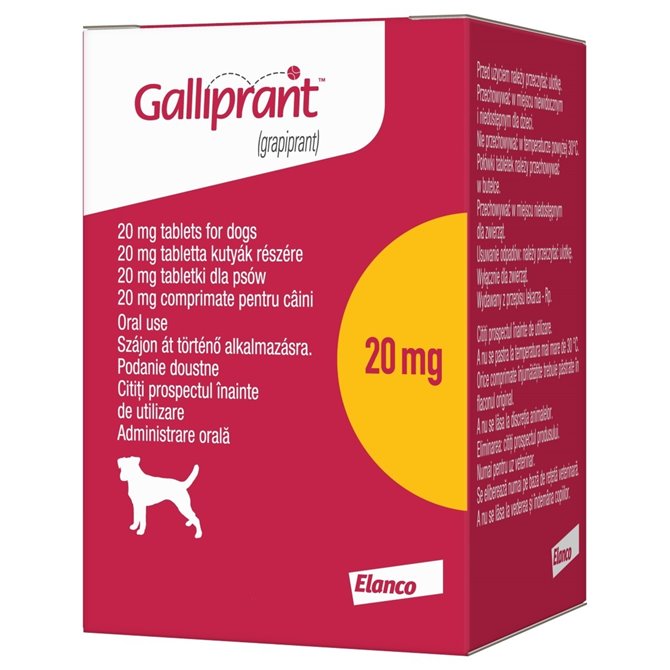
20mg Galliprant Tablets for Dogs - Per Tablet
20mg Galliprant (grapiprant) is a non-steroidal anti-inflammatory drug (NSAID) designed specifically for the treatment of osteoarthritis in dogs. It provides targeted relief from pain and inflammation, helping dogs maintain mobility and quality of life. Galliprant 20mg works differently from traditional NSAIDs, making it a safer option for long-term use in managing osteoarthritis symptoms.
Each tablet contains 20mg of grapiprant, a selective prostaglandin receptor antagonist (PRA). It is available in different strengths to suit various dog sizes and is administered once daily with or without food. Galliprant is a prescription-only medication and should only be used under veterinary supervision.
How Galliprant Works
Galliprant works by blocking the EP4 receptor, which is primarily responsible for pain and inflammation associated with osteoarthritis. Unlike traditional NSAIDs, which inhibit cyclooxygenase (COX) enzymes, Galliprant specifically targets this receptor without affecting other prostaglandins that support normal bodily functions.
This selective action reduces the risk of gastrointestinal, kidney, and liver side effects that are commonly associated with other NSAIDs. Because it works at the root of inflammation rather than through broad suppression, Galliprant provides effective pain relief while maintaining overall health and well-being.
VETERINARY PRESCRIPTION REQUIRED
Product Features
- Pack Size: - Sold Individually
- Target Animal: - Dog (Canine)
- Related Condition: - Treatment of pain associated with mild to moderate osteoarthritis in dogs
- Pet Prescription Required?: - Yes
- Active Ingredient: - Grapiprant
- Product Name: - Galliprant Tablets for Dogs
Additional Product Information
Description
20mg Galliprant for Dogs
Galliprant may only be supplied with a valid veterinary prescription issued by your vet. You should only purchase Galliprant if you have or are in the process of arranging such a prescription. See information bar for further details.
You may also like


What our customers say about us.
Always dispensed very quickly according to any instructions I may have sent .Very reliable company .
Joni
Source: Trustpilot Review
I've been using Vetdispense for over a year. Very straightforward service. Always a prompt response and the dispensing vet will call if there's a question to be answered.
Janis
Source: Trustpilot Review
Extremely quick delivery
Suren
Source: Trustpilot Review
- Tracked 24 Delivery Follow your parcel online
- VMD & RCVS Registered VetDispense is a registered UK Dispensary
- Secure Payment Pay securely online by card or PayPal
- Independent Since 2008 A Trusted UK Dispensary