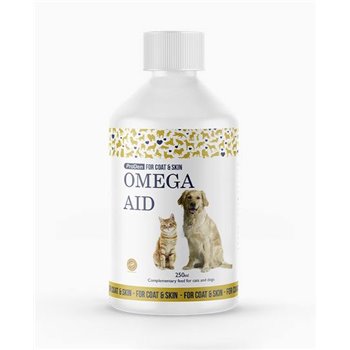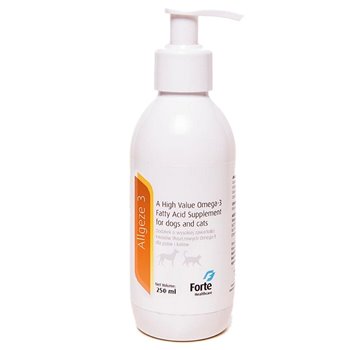


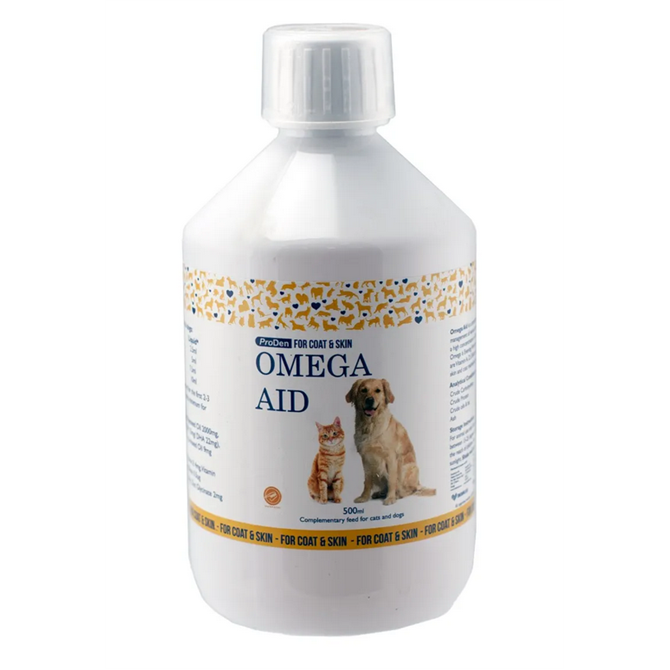
Omega Aid 500ml
720148
Omega Aid is a concentrated omega‑3 supplement for dogs and cats, designed to provide essential fatty acids in a simple, daily format. Omega Aid is often chosen when nutritional support is required for the skin, coat, joints, heart, and brain, particularly if your pet’s diet is low in marine oils.
In clinical nutrition terms, omega‑3s are “essential” because dogs and cats cannot make enough of them themselves, and the balance between omega‑3 and omega‑6 fatty acids can influence inflammatory tone in the body. If your dog has a dull coat, your cat is over‑grooming, or a senior pet is slowing down, adding omega‑3 support can be a practical part of an overall care plan. It is suitable for ongoing use and easy to mix into meals, which helps owners keep routines consistent without turning feeding time into a struggle.
Product Features
- Pack Size: - 500ml
- Target Animal: - Dog (Canine)
- Pet Prescription Required?: - No
- Product Name: - Omega Aid 500ml
More Information
Description
The key fatty acids in most marine‑oil supplements are eicosapentaenoic acid (EPA) and docosahexaenoic acid (DHA). After your pet takes Omega Aid, EPA and DHA are absorbed in the small intestine, carried in the bloodstream, and incorporated into cell membranes throughout the body, including the skin, joints, nervous system, and cardiovascular tissues. Once present in these membranes, omega‑3s influence how the body produces inflammatory mediators such as prostaglandins and leukotrienes, and they can help moderate the release of inflammatory cytokines. In simple terms, this support helps tip the body towards a more balanced inflammatory response, which is why omega‑3s are commonly discussed in supportive care for chronic skin sensitivity and degenerative joint disease. EPA and DHA also contribute to normal cell signalling and membrane flexibility, which matters for tissues that rely on healthy surface layers, like the skin, as well as organs that depend on efficient electrical activity, like the heart.
Skin and coat are often the first areas where owners notice a change when omega‑3 intake improves, because the skin renews quickly and functions as a protective barrier. Omega Aid supports the dermal barrier and helps maintain normal moisture levels in the outer layers of the skin, which can be useful when the coat looks dry or the skin is prone to scaling. In pets that scratch, lick, or over‑groom, omega‑3s are commonly used as nutritional support alongside other measures, because they may reduce inflammatory activity linked to pruritus and help the skin recover between flare‑ups. They can also support normal sebum quality, which contributes to coat sheen. Speak to your vet if these signs are persistent:
- Your pet scratches, licks, or rubs their face, paws, or belly on most days.
- The coat looks dry, dull, or “staring”, and shedding seems heavier than usual.
- The skin shows mild dandruff, scaling, or redness between flare‑ups.
- Your pet has recurrent ear debris or irritation that seems linked to skin sensitivity.
- Cats groom excessively and develop thinning hair on the tummy or legs.
Omega Aid is also widely used to support joints and mobility, especially in senior pets or those with a veterinary diagnosis of osteoarthritis. In arthritic joints, inflammation of the synovial membrane (synovitis) and changes in cartilage health can contribute to stiffness after rest, reduced range of motion, and reluctance to exercise, climb stairs, or jump. EPA and DHA help influence inflammatory pathways involved in joint discomfort, which is why omega‑3 supplementation is often included in long‑term, multimodal management plans. It can be used alongside appropriate weight control, structured low‑impact exercise, physiotherapy, and, where prescribed by a vet, anti‑inflammatory medicines such as NSAIDs. Because joint disease is rarely solved by one intervention alone, Omega Aid is best viewed as part of supportive care that helps keep tissues as comfortable and resilient as possible over time.
Omega Aid supports broader health because omega‑3s are both structural and functional nutrients. DHA is an important component of the brain and retina, so omega‑3 intake is commonly discussed in relation to healthy neurological and visual development in puppies and kittens, as well as cognitive support in older pets. It may also be considered for pets that benefit from cardiovascular support, because fatty‑acid balance can influence vascular function, normal cardiac rhythm, and overall metabolic health. In some cases, vets may discuss omega‑3 supplementation as part of nutritional support for chronic kidney disease, because omega‑3s can help moderate inflammatory signalling and support healthy blood flow through delicate tissues. For pets with long‑term conditions, the aim is usually steady, predictable support rather than a dramatic overnight change, and this supplement fits well with that approach when used consistently and in line with veterinary advice.
Omega Aid is intended for regular, ongoing use, and most pets tolerate omega‑3 supplementation well when it is introduced sensibly. Measure Omega Aid accurately and mix it thoroughly into food, because daily intake gradually changes the fatty‑acid profile in tissues. If your pet has a sensitive stomach, start with a smaller amount for several days and build up, as loose stools can occur if a rich oil is added too quickly. It is sensible to speak with your vet before using Omega Aid if your pet has a history of pancreatitis, hyperlipidaemia, clotting disorders, or is due to have surgery, because high‑fat supplements and changes in platelet function can be relevant in those situations. Store it as directed, keep the cap tightly closed, and avoid prolonged heat or sunlight, because oxidised oils can be less palatable. If you are using Omega Aid alongside prescription medicines or a veterinary therapeutic diet, your vet can help you choose a dose and routine that supports your pet’s clinical needs without disrupting other aspects of care.
What are omega‑3 fatty acids and why are they ‘essential’?
Omega‑3 fatty acids are nutrients the body uses to build cell membranes and regulate inflammatory mediators. They are called essential because pets cannot make enough of them without dietary intake. In dogs and cats, omega‑3s are most often linked with skin barrier support, coat quality, and comfortable joints.
Can Omega Aid help with itchy skin or allergies?
Omega Aid can support the skin’s natural barrier and may help calm inflammatory activity linked to pruritus, which is why omega‑3s are often used in pets with sensitive skin. However, itchiness has many causes, including parasites and infection, so it is important to rule these out with your vet.
Is Omega Aid safe for cats, including kittens?
Omega Aid is formulated for dogs and cats, but kittens and cats with medical conditions still need an appropriate dose. Cats are sensitive to diet changes, so introduce oils gradually and monitor stools and appetite. If your cat is on a prescription diet or has pancreatitis risk, ask your vet before starting.
How long does it take to see results from Omega Aid?
Some coat changes can be noticed within a few weeks, but skin barrier improvements and joint support usually take longer because fatty acids need time to incorporate into tissues. Consistent daily use is more important than a high dose. If nothing improves after 6–8 weeks, speak to your vet about next steps.
What is the difference between omega‑3 and omega‑6?
Omega‑3 and omega‑6 are both polyunsaturated fatty acids, but they are used to make different inflammatory mediators. Many pet diets already contain plenty of omega‑6, so adding omega‑3 can help improve the overall balance. Your vet can advise if your pet needs targeted nutritional support.
Brand

You may also like