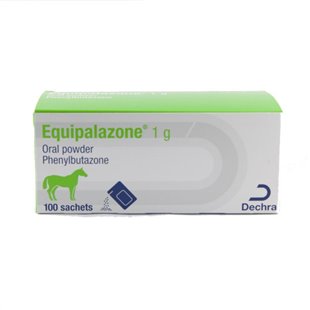
Equipalazone for Horses is a prescription anti-inflammatory medicine designed to relieve pain and reduce inflammation in horses and ponies when a vet has diagnosed a suitable condition. Equipalazone is commonly used when discomfort is limiting movement, affecting performance, or reducing day‑to‑day wellbeing.
Because pain is often a sign of an underlying injury or disease process, Equipalazone for Horses is intended to support comfort while the primary issue is investigated and managed, not to mask a problem and carry on as normal. Your vet will also consider factors such as age, hydration status, body condition, and any existing gastrointestinal or kidney concerns before deciding whether Equipalazone for Horses is appropriate.
Equipalazone for Horses contains phenylbutazone (bute), a well‑known non‑steroidal anti‑inflammatory drug (NSAID) used in equine clinical practice for musculoskeletal pain. NSAIDs are medicines that reduce inflammation and provide analgesia (pain relief) without the sedating effects associated with some other drug classes. Depending on the formulation supplied, Equipalazone is typically administered by mouth and may be mixed into a small amount of feed so that the full dose is taken, or given exactly as directed by your veterinary surgeon. It is a prescription‑only medicine, which is reassuring because it means a professional has assessed the risk–benefit balance for your horse and can set a dosing plan based on bodyweight and clinical response. If your horse competes, it is also important to tell your vet, as medication rules and detection times are governed by the relevant sporting authority and can vary.
Inflammation is part of the body’s normal defence and repair system, but it can also create heat, swelling, and pain that restrict movement and slow rehabilitation. Equipalazone works by inhibiting cyclo‑oxygenase (COX) enzymes involved in producing prostaglandins. Prostaglandins are chemical messengers that contribute to pain signalling, vascular changes, and the inflammatory cascade. By reducing prostaglandin production, phenylbutazone helps lower inflammatory swelling and improves comfort, which can allow a horse to move more normally and reduce compensatory strain on other limbs and soft tissues. The aim is balanced relief: enough comfort to support welfare and any physiotherapy, without over‑encouraging activity that could worsen an injury.
Vets most often prescribe Equipalazone for painful inflammatory conditions affecting the musculoskeletal system. It may be used for short‑term flare‑ups or as part of longer‑term management where ongoing inflammation is contributing to reduced comfort. Depending on diagnosis and veterinary judgement, Equipalazone for Horses may be considered for:
- Osteoarthritis (degenerative joint disease) and age‑related stiffness, especially after rest
- Acute lameness linked to sprains, strains, bruising, or soft‑tissue injury
- Synovitis or capsulitis (inflammation within or around a joint)
- Tendon or ligament pain where inflammation is a driver of soreness
- Post‑procedure discomfort following certain orthopaedic investigations or treatments
Signs that may prompt a vet to discuss Equipalazone include shortened stride length, reluctance to turn, difficulty picking up canter leads, an uneven rhythm on circles, sensitivity during hoof handling, or a change in behaviour such as irritability when being groomed or tacked up. Some horses are subtly sore rather than dramatically lame, so do not ignore low‑grade changes in performance, posture, or temperament.
Follow your vet’s instructions exactly and do not increase the dose or duration without advice, even if your horse still appears uncomfortable, because higher doses increase the risk of adverse effects. Many treatment plans aim for the lowest effective dose for the shortest necessary period; your vet may start with a higher dose to gain control and then step down once comfort improves. Give the medicine at consistent times and ensure your horse has access to plenty of fresh water, as good hydration supports normal kidney function. If you are mixing Equipalazone into feed, use a small, palatable portion first so you can confirm it has all been eaten before offering the rest of the meal. Alongside medication, your vet may recommend rest, a controlled exercise programme, farriery adjustments, weight management, or physiotherapy, because these measures address the underlying cause and reduce the likelihood of repeated flare‑ups. Keeping a simple diary of doses and comfort can be helpful, especially if more than one person cares for the horse, as it reduces the risk of missed or repeated dosing and makes patterns easier to discuss at recheck.
Like all NSAIDs, Equipalazone for Horses needs sensible precautions. Prostaglandins do not only drive inflammation; they also help protect the lining of the stomach and intestine and support blood flow to the kidneys. For that reason, your vet may use extra caution in horses that are dehydrated, unwell, elderly, underweight, or known to be prone to gastric ulceration or colitis. Possible side effects include reduced appetite, dullness, mild colic‑like signs, diarrhoea, oral ulceration, or swelling (oedema) under the belly or legs; more serious complications can include gastric or colonic ulceration (including right dorsal colitis) and kidney injury. Stop the medicine and contact your vet promptly if you notice significant diarrhoea, persistent colic signs, blood in droppings, marked lethargy, or a sudden decline in drinking.
Equipalazone should not usually be combined with other NSAIDs or corticosteroids unless a vet specifically directs it, as the risk of gastrointestinal and renal complications rises with certain drug combinations. If you miss a dose, follow your vet’s advice rather than doubling up, and keep the medicine stored securely and used only for the horse it was prescribed for. If treatment is needed for longer than expected, your vet may suggest periodic checks and occasional blood tests to monitor kidney and protein parameters. Always mention any other medicines or supplements, and any history of gastric ulcers or kidney disease, as these details can change the plan.
How does Equipalazone for Horses work in the body?
Equipalazone contains phenylbutazone, an NSAID that inhibits cyclo‑oxygenase (COX) enzymes. This lowers prostaglandin production, which helps reduce inflammatory swelling and pain signalling. The result is improved comfort and mobility, ideally supporting controlled movement and recovery without masking problems that still need diagnosis.
How quickly does Equipalazone start to help?
Some horses appear more comfortable within a day, while others need several doses before the full effect is seen. Response depends on the condition, severity, and whether other issues such as hoof balance or soft tissue injury are present. If there is no improvement, speak to your vet rather than increasing the dose.
Can I give Equipalazone for Horses with feed?
Yes, it is often given by mouth and many vets advise mixing it into a small, tasty portion of feed so you can confirm the full dose is eaten. Offer fresh water and good forage, and follow the exact directions provided. If your horse refuses medicated feed, ask your vet for practical alternatives.
Can Equipalazone be given with other pain relief?
Do not combine Equipalazone with other NSAIDs or corticosteroids unless your vet specifically directs it, because the risk of gastrointestinal and renal complications increases. Always disclose any medications, supplements or ulcer preventatives your horse is receiving. Your vet can advise safe combinations and timing if additional support is needed.
What should I do if I miss a dose of Equipalazone for Horses?
Follow your vet’s instructions, and do not double the next dose unless you have been told to do so. If you realise soon after the scheduled time, your vet may advise giving it then and returning to the usual routine. If several doses are missed, ask for guidance and reassessment.