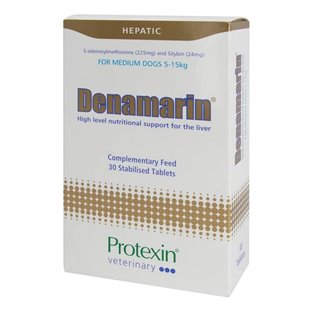
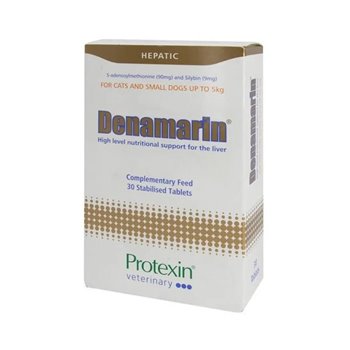
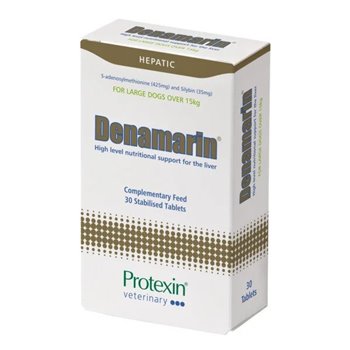
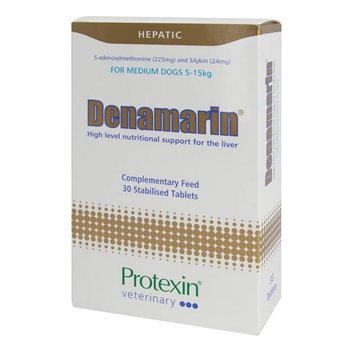
The liver filters blood, produces bile for digestion, stores vitamins and energy, and helps the body handle medicines and natural waste products. When a dog or cat has liver strain, the signs can be subtle at first, and supporting the liver early can make a real difference to comfort and appetite. Blood tests may show changes in enzymes such as ALT or ALP, or in bilirubin, before a pet looks obviously unwell, and your vet may recommend supportive care while the underlying cause is investigated.
Protexin Denamarin is a liver supplement designed for dogs and cats that need extra hepatic support, whether they are recovering from illness, taking long-term medication, or showing laboratory changes that suggest the liver is working harder than normal. Used alongside your vet’s plan, Protexin Denamarin helps protect liver cells from oxidative stress and supports normal detoxification pathways, without being a sedative or a quick fix. It is a supplement rather than a medicine, so it does not mask symptoms, and it is intended to work in the background as part of ongoing care.
Denamarin is a targeted nutritional support for the organ that does so much housekeeping for the body. Vets often recommend liver supplements when there is evidence of hepatocellular irritation, biliary disease, or reduced liver reserve, and they can also be helpful for older pets or pets that have been exposed to toxins. Protexin Denamarin is commonly used as part of supportive care for conditions such as chronic hepatitis, cholangitis, hepatic lipidosis in cats, and post-operative recovery, as well as for pets that need ongoing medication that is metabolised by the liver. Because the liver has a remarkable ability to regenerate, consistent support from Protexin Denamarin can be valuable during periods of healing, when the goal is to stabilise the patient, improve wellbeing, and encourage healthy liver function over time.
Denamarin is based on two natural ingredients that are well recognised in clinical nutrition: S-adenosylmethionine (SAMe) and silybin (a highly bioavailable component of milk thistle). SAMe is a naturally occurring compound involved in methylation reactions and the production of glutathione, which is one of the body’s most important intracellular antioxidants. In simple terms, SAMe helps hepatocytes maintain their normal defences against reactive oxygen species, supports cell membrane integrity, and assists metabolic processes that can become overloaded when the liver is inflamed or compromised. Silybin provides additional antioxidant support and is known for helping to stabilise hepatocyte membranes and reduce lipid peroxidation. By pairing SAMe and silybin in one supplement, Protexin Denamarin aims to support both the liver’s protective antioxidant systems and its natural regenerative capacity, which is why it is often chosen when blood results suggest ongoing hepatic stress or when a pet needs extra support during medical treatment.
Liver supplements for dogs and cats are not only about lab values; they are about quality of life and day-to-day resilience. When the liver is struggling, pets may feel nauseous, tired, or “not themselves”, and even mild digestive upset can quickly affect hydration and nutrition. Protexin Denamarin can support pets who are experiencing, or are at risk of, signs commonly associated with hepatic dysfunction, and it may be used alongside diet changes and veterinary monitoring. Your pet might show one or more of the following:
- Your pet may have a reduced appetite or become more selective with food.
- Your pet may seem lethargic, have low stamina, or be reluctant to exercise or play.
- Your pet may vomit, have diarrhoea, or show signs of intermittent nausea such as lip-licking or drooling.
- Your pet may lose weight or struggle to maintain good body condition.
- Your pet may drink more than usual or show changes in urination.
- Your pet may develop yellowing of the gums, skin, or whites of the eyes (jaundice).
- Your pet may show behaviour changes, disorientation, or dullness, which can be associated with hepatic encephalopathy.
It is important to treat these signs as reasons to seek veterinary advice rather than to self-treat, but once your vet has assessed your pet, Protexin Denamarin may be recommended to help support liver tissue and complement other measures such as controlling nausea and ensuring adequate calorie intake, which is particularly important for cats.
Protexin Denamarin tablets are enteric-coated to protect the ingredients as they pass through the stomach, which is why they should not be crushed or split unless your vet specifically advises it. Denamarin is usually given once daily, ideally on an empty stomach, because food can reduce absorption of SAMe, and giving it consistently at the same time each day helps build routine. Liver support often works best when it is combined with hydration, a diet that suits the diagnosis, and careful management of any underlying cause such as infection, inflammation, endocrine disease, or exposure to hepatotoxic substances. Your vet may recommend repeat blood tests to assess response and guide how long Denamarin should be continued.
Denamarin is generally well tolerated, but any supplement can cause mild gastrointestinal upset in some animals, especially at the start of use. If your dog or cat develops vomiting, diarrhoea, or marked appetite loss after starting Protexin Denamarin, speak to your vet, as the dose, timing, or overall plan may need adjustment. Always tell your vet about any medicines, supplements, or prescription diets your pet is on, as they may want to monitor liver enzymes and bilirubin more closely or review other results in the context of your pet’s symptoms. Protexin Denamarin does not replace diagnosis or treatment, but it can be a supportive part of a wider clinical approach, particularly for chronic liver conditions where ongoing antioxidant support and hepatocyte protection are priorities. If your pet has persistent jaundice, abdominal swelling, severe lethargy, seizures, or sudden collapse, urgent veterinary care is essential, and Protexin Denamarin should only be used under professional guidance.
What is Protexin Denamarin used for in dogs and cats?
Denamarin is used as nutritional support for pets with liver strain, raised liver enzymes, or diagnosed hepatic conditions. It combines SAMe and silybin to support antioxidant defences within hepatocytes. Vets may recommend it during investigation, recovery, or long-term management, alongside diet changes and any prescribed treatment.
How does Denamarin help the liver?
Protexin Denamarin supports the liver in two main ways. SAMe helps the body produce glutathione, an important antioxidant involved in detoxification pathways. Silybin helps protect liver cell membranes from oxidative damage. Together they support normal liver cell function and resilience while the underlying condition is addressed.
Should Protexin Denamarin be given with food?
Protexin Denamarin is usually given on an empty stomach because food can reduce absorption of SAMe. Many vets advise giving it at least one hour before a meal. If your pet has a delicate stomach, your vet may suggest a different schedule so the supplement is tolerated without causing vomiting.
Can Protexin Denamarin be used long term?
Yes, Protexin Denamarin is commonly used for ongoing liver support in chronic conditions, where the aim is steady antioxidant protection rather than a short course. Long-term use should be guided by your vet, with occasional monitoring of clinical signs, body weight, and blood tests to ensure the plan remains appropriate.
What are common signs of liver disease in dogs and cats?
Signs can be vague at first and may overlap with other problems. Pets may have reduced appetite, vomiting, diarrhoea, weight loss, increased thirst, or lethargy. Jaundice, abdominal swelling, black tarry stools, or neurological changes can indicate more serious disease. Always seek veterinary advice if you notice these signs.