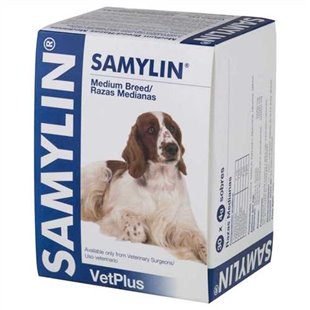
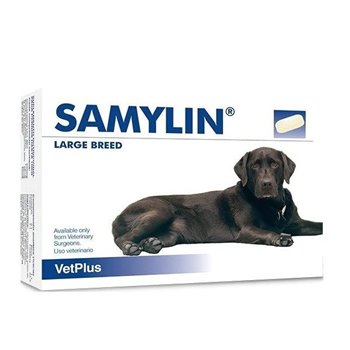
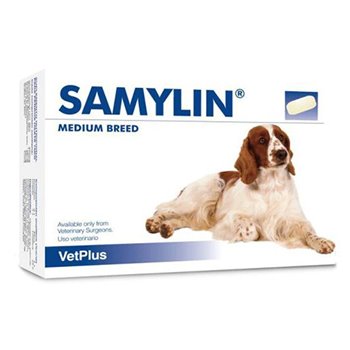
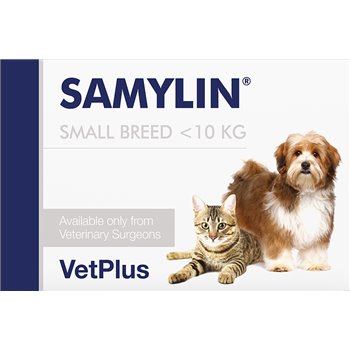
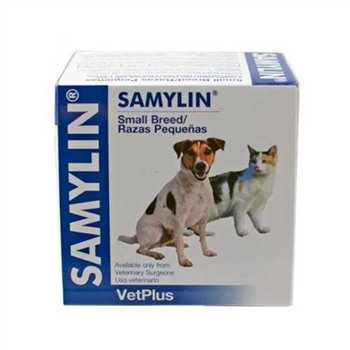
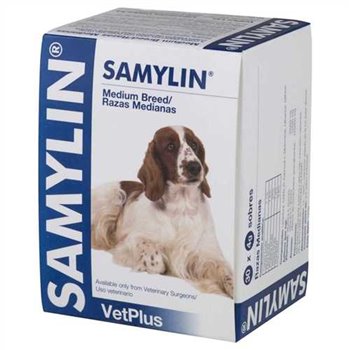
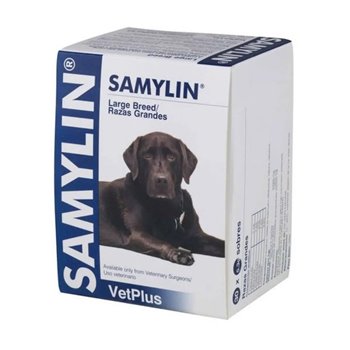
Samylin for Dogs is a liver-support supplement containing SAMe and silybin to help antioxidant defences, cell repair and bile flow in dogs under vet guidance.
Samylin for Dogs is a nutritional supplement designed to support normal liver function in dogs. It is often used when a vet has identified liver stress, abnormal liver enzyme results, or a liver condition that may benefit from additional nutritional support. Samylin is not a medicine that treats a specific diagnosis on its own. It is used as part of a wider veterinary plan that may include diet changes, investigations, and, where appropriate, prescription treatment.
The liver performs many essential roles. It helps process nutrients from food, stores energy, and produces proteins needed for normal blood function. It also makes bile, which is important for digestion and the absorption of fats and fat-soluble vitamins. The liver helps regulate cholesterol and contributes to normal immune function. A further key role is detoxification. The liver changes certain substances into forms that can be used safely by the body or excreted. Because the liver is involved in so many processes, liver strain can affect a dog’s general wellbeing in a variety of ways.
Dogs can experience liver stress for many reasons. Some causes are temporary, such as certain infections, inflammation, or the effects of medicines that the liver must process. Other causes are longer term, such as chronic hepatitis, gallbladder and bile duct disorders, congenital liver conditions, or age-related changes. In some cases, liver enzyme elevations are discovered incidentally during routine blood tests, even when a dog seems otherwise normal at home. Your vet may recommend further testing to understand the cause, including repeat blood tests, bile acid testing, ultrasound scans, and sometimes sampling of liver tissue.
Signs that may be seen with liver issues can be vague and overlap with other conditions. Some dogs become more tired, eat less, lose weight, or have intermittent vomiting or diarrhoea. Increased thirst and urination can occur. In more significant liver disease, you may see yellowing of the gums or whites of the eyes (jaundice), dark urine, pale stools, abdominal swelling, or changes in behaviour. Any of these signs require prompt veterinary assessment.
Samylin for Dogs supports the liver through ingredients that are commonly used in veterinary liver support. Samylin typically contains S-adenosylmethionine (SAMe) and silybin, which is a key component extracted from milk thistle. Some formulations may also include vitamin E or other supporting nutrients, depending on the product version. These ingredients are included because of their roles in antioxidant defence, cellular repair processes, and support for normal bile function.
How Samylin for Dogs works
SAMe is a naturally occurring compound in the body. It is involved in important biochemical pathways, including methylation reactions that help cells function normally. In the liver, SAMe contributes to the production of glutathione. Glutathione is a major antioxidant produced within liver cells. Antioxidants help neutralise reactive compounds that can damage cells, especially during inflammation or when the liver is processing challenging substances.
When the liver is under strain, oxidative stress can increase. This means there is an imbalance between reactive compounds and the body’s ability to neutralise them. Supporting glutathione production is one of the reasons SAMe is used in liver-support supplements. By helping maintain healthy antioxidant capacity, SAMe may support liver cells in coping with day-to-day metabolic demands and in recovering from stress.
Silybin is included because it supports the liver in several ways. It is associated with antioxidant activity and helps stabilise cell membranes, which can reduce the susceptibility of liver cells to certain types of damage. Silybin is also linked with supporting normal bile production and flow. Bile is important not only for digestion but also because it is one route by which the body removes certain waste products. When bile flow is compromised, dogs can develop digestive changes and, in some cases, jaundice.
In addition to antioxidant effects, liver support supplements are often used with the goal of supporting normal regeneration and repair. The liver has a strong capacity to recover compared with many other organs, but recovery can be slowed when ongoing inflammation or oxidative stress persists. Nutritional support can be helpful alongside veterinary treatment and diet management.
When Samylin may be recommended
Samylin is commonly recommended in dogs with elevated liver enzymes where a vet is investigating the cause and wants to support liver function during that process. It may also be suggested for dogs diagnosed with chronic liver conditions, such as inflammatory liver disease, or when a dog is receiving medicines that are processed by the liver and requires additional support. In some cases, it is used after an acute illness that has affected the liver, as part of a supportive recovery plan.
It is important to understand that “liver support” does not replace diagnosis and monitoring. Liver enzyme changes can be mild and temporary, or they can indicate a condition that requires specific treatment. A supplement cannot identify the cause. Your vet will decide whether Samylin is suitable for your dog and whether additional tests or prescription medicines are needed.
How to give Samylin
Samylin is sold in tablet or sachet form. The dose is based on your dog's weight and the specific product strength. It is important to follow the dosage guidance from your vet or the product label, because the correct amount depends on the formulation and your dog's size.
SAMe is commonly best given on an empty stomach for absorption. Many veterinary liver supplements are therefore given at least one hour before feeding, or several hours after a meal. If your dog has a sensitive stomach, your vet may advise a different approach. Some dogs accept tablets easily, while others may need careful hiding in a small amount of food. If you are unsure whether the tablet should be given with food, follow your vet’s guidance, because absorption and tolerability can vary between products.
If you miss a dose, give the next dose at the usual time unless your vet has advised otherwise. Do not double up doses without veterinary advice.
Diet is often central to liver management. Depending on the underlying issue, your vet may recommend a specific hepatic diet designed to provide suitable protein levels and support normal metabolism. Some dogs benefit from careful management of copper intake if copper accumulation is suspected. For dogs with reduced appetite, nausea control and feeding strategies can be important.
Regular monitoring is also part of responsible liver care. Your vet may suggest repeat blood tests to track liver enzymes, bilirubin, and other indicators of liver function. Urine tests and imaging may also be used. Monitoring helps confirm whether a plan is working and allows changes to be made early.
It is also important to avoid giving any additional supplements, herbal products, or human medicines without veterinary guidance. Some substances can place additional demands on the liver or interact with other treatments.
Samylin for Dogs is generally used under veterinary guidance, especially when it is being given in response to abnormal blood tests or an established liver condition. Always tell your vet about any other medicines your dog is taking. This includes anti-inflammatory medicines, anticonvulsants, antibiotics, and any long-term treatments, because your vet will consider the overall plan for your dog’s health.
If your dog develops vomiting, diarrhoea, reduced appetite, or any sudden change in behaviour after starting a supplement, you should contact your veterinary practice. While many dogs tolerate liver-support supplements well, any new symptom should be assessed in context, particularly in dogs with underlying illness.
Samylin for Dogs provides targeted nutritional support for liver health through ingredients that contribute to antioxidant defences and normal liver cell function. It is most effective when used as part of a broader, vet-led approach that includes diagnosis, appropriate diet, and ongoing monitoring of your dog’s condition.