Wound care for cats can be tricky because even a small scratch may be hard to spot under fur, and cats are experts at hiding pain and discomfort. Most everyday wounds are minor abrasions or superficial lacerations, but bites, puncture wounds and surgical incisions can behave very differently. Good wound care starts with staying calm, keeping your cat safe from further harm, and gently looking for where the skin has been broken. The aim is to support the body’s natural healing while reducing contamination, managing pain, and preventing your cat from licking or chewing the area. If you are unsure how serious the injury is, it is always reasonable to call your vet for advice, as early treatment can prevent infection and speed recovery, especially in older cats or those with conditions such as diabetes or chronic kidney disease.
Before you clean or cover anything, take a moment to assess what you can see and what your cat is telling you. A wound that is deep, gaping, heavily contaminated, or located near the eye, mouth, genitals or a joint needs veterinary attention. It is also important to remember that punctures from a fight can look tiny at the surface but create significant tissue damage underneath. Contact your vet urgently if you notice any of the following:
- bleeding that does not slow within a few minutes of gentle pressure
- a wound that is wider than it is long, or where underlying tissue is visible
- a limp, marked swelling, or pain when the area is touched
- a bad smell, pus, or thick yellow/green discharge (purulent exudate)
- pale gums, rapid breathing, collapse, or your cat seems unusually quiet
- a bite wound, especially on the legs, tail base or around the neck
These signs can suggest infection, a developing abscess, significant blood loss, or damage to deeper structures such as tendons.
For minor, clean wounds, the first step in wound care for cats is gentle cleansing to remove surface debris and reduce bacterial load. If your cat will tolerate it, flush the area with sterile saline or cooled, boiled water using a syringe or clean squeeze bottle, letting the fluid run off rather than scrubbing. Pat dry with sterile gauze. Avoid applying hydrogen peroxide, alcohol or strong iodine solutions, as these can irritate tissue and slow epithelialisation. Some veterinary teams recommend a very dilute chlorhexidine solution for skin cleansing, but concentration matters, so follow the label carefully or ask your vet how to dilute it safely. If the fur is matted with blood or discharge, do not cut close to the skin with household scissors, as it is easy to nick delicate tissue; your vet can clip and clean the area painlessly, sometimes using local anaesthetic or light sedation if your cat is frightened or sore. After cleaning, many cats do best with a simple, dry surface and protection from licking, rather than multiple creams or powders.
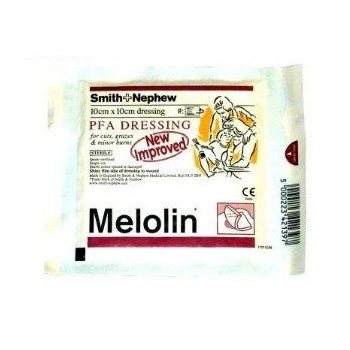
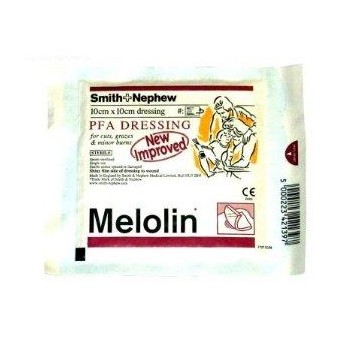
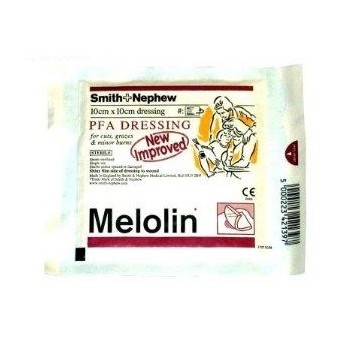
Whether to bandage depends on the location and type of injury. Some wounds heal best with airflow and a clean, dry surface, while others benefit from protection, gentle pressure, or moisture balance using a hydrogel or non-adherent dressing. If your vet has advised a dressing, use a sterile non-stick pad against the wound, then an absorbent layer, then a light conforming bandage, finishing with cohesive wrap to secure it. The bandage must never be tight; toes should remain warm and the nails should be visible so you can check for swelling. Cats can be very good at wriggling out of wraps, and a slipping bandage can act like a tourniquet, so seek help if you are not confident. As part of Wound care for cats, check bandages at least twice daily for dampness, odour, swelling above or below the wrap, or signs your cat is chewing at it. Wet dressings should be replaced promptly because moisture encourages bacterial growth and can cause skin maceration.
Stopping licking is one of the hardest parts of Wound care for cats, yet it is essential because saliva introduces bacteria and constant friction can cause inflammation, delayed healing, or wound dehiscence. An Elizabethan collar (buster collar), a soft recovery collar, or a well-fitting recovery suit can protect the site, especially for abdominal or flank wounds. Keep your cat indoors, minimise jumping, and provide a quiet, warm resting area with easy access to food, water and a litter tray. Pain control is a genuine part of Wound care for cats: discomfort increases stress hormones and can reduce appetite, both of which slow healing. Only use analgesics prescribed for your cat; common human medicines such as ibuprofen, paracetamol and aspirin can be toxic. Depending on the wound, your vet may prescribe antibiotics, anti-inflammatory medication, or a topical antimicrobial, and they may recommend a follow-up check to ensure the tissue is healing cleanly. If your cat seems itchy as the wound knits together, do not assume it is ‘just healing’; itch can also be a sign of irritation from dressings, infection, or an allergic reaction to an adhesive.
Healing is not always a straight line, so ongoing monitoring matters in Wound care for cats. In the first few days, mild swelling and a small amount of clear or blood-tinged fluid can be normal, but worsening redness (erythema), increasing heat, thick discharge, or a sudden painful lump may indicate cellulitis, a haematoma, or an abscess, particularly after bite wounds. As repair progresses you may see healthy granulation tissue that looks pink and slightly bumpy, followed by new skin (epithelialisation) creeping in from the edges. If stitches are present, watch for gaps, broken sutures, or oozing, and contact your vet promptly, as early support can prevent the wound from opening further. For cats with slow-healing wounds, your vet may look for underlying factors such as foreign material, poor blood supply, endocrine disease, or excessive movement across a joint. Consistent, gentle checks, a clean environment and the right level of protection are the foundations of Wound care for cats, and they help most cats stay comfortable while the skin regains strength.
How can I tell if my cat’s wound is serious?
A serious wound is usually deep, gaping, painful, or linked with heavy bleeding, swelling or a limp. Bite punctures can look small but cause hidden damage. If you see pus, a bad smell, feverish behaviour, pale gums, or your cat seems unusually quiet, contact your vet promptly.
Can I use human antiseptic cream on my cat?
Many human creams contain ingredients that are not safe if licked, and some can trap bacteria inside a puncture wound. It is safer to use products made for pets or those your vet recommends, especially around the face. If you have already applied something, tell your vet what it was.
What is the safest way to clean a cat wound at home?
For minor wounds, gently flush with sterile saline or cooled, boiled water and let it run off rather than scrubbing. Pat dry with sterile gauze. Avoid alcohol and hydrogen peroxide, which can sting and slow healing. If your cat struggles, stop and ask your vet for help.
Why do cat bites often turn into abscesses?
A cat’s teeth create narrow punctures that seal quickly, trapping bacteria under the skin. This can lead to cellulitis and then an abscess, often within two to five days. You might notice heat, swelling, pain and a sudden lump. Bites usually need veterinary assessment and often antibiotics.
What are the signs of wound infection in cats?
Common signs include increasing redness, heat, swelling, pain, and discharge that is thick, yellow or green. You may also notice an unpleasant smell, the skin becoming firm, or your cat acting off-colour with a reduced appetite. Infection can spread, so contact your vet if these appear.