


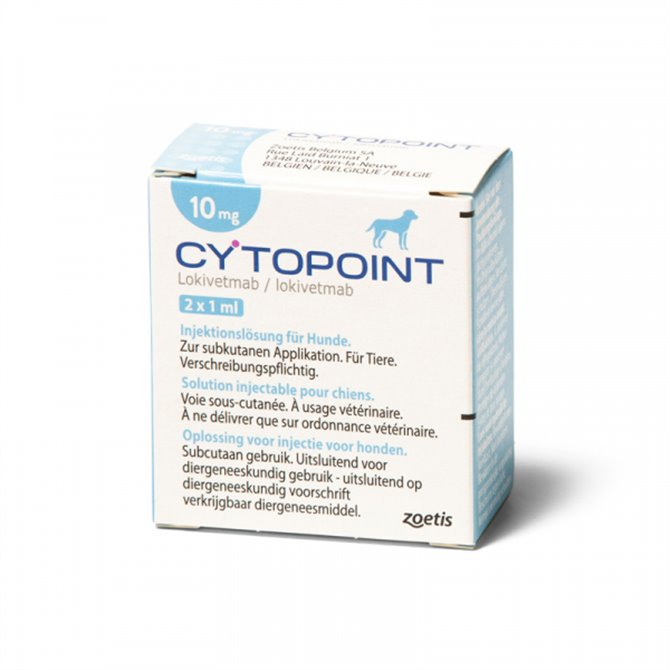
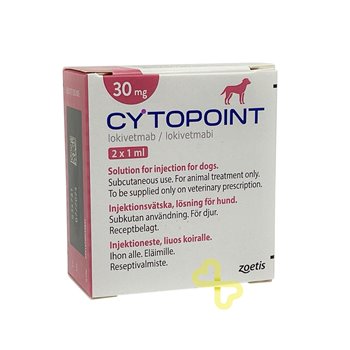
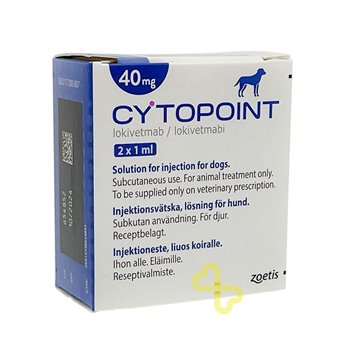
Cytopoint 10mg - Pack of 2 Vials
Cytopoint 10mg Injection is a prescription veterinary medicine for dogs suffering from itching associated with allergic dermatitis and the clinical signs of atopic dermatitis. These conditions can cause persistent scratching, paw licking, face rubbing, inflamed skin, recurrent ear problems and disturbed sleep, making everyday life uncomfortable for affected dogs.
Containing lokivetmab, Cytopoint 10mg Injection targets interleukin-31 (IL-31), one of the principal proteins involved in transmitting the sensation of itch. Its focused action helps relieve pruritus and associated inflammation without being a corticosteroid. The 10mg strength is suitable for dogs weighing 3–10kg when prescribed by a veterinary surgeon.
10mg Cytopoint is a refrigerated medication - We will send it via Royal Mail Special Delivery using insulated packaging and ice packs. A signature is required on delivery and it must be put straight into a fridge. We cannot guarantee same day dispatch for orders placed after 12pm. VETERINARY PRESCRIPTION REQUIRED.
Product Features
- Pack Size: - Pack of 2 Vials
- Target Animal: - Dog (Canine)
- Related Condition: - Atopic Dermatitis in Dogs
- Pet Prescription Required?: - Yes
- Active Ingredient: - Monoclonal antibody
- Product Name: - 10mg Cytopoint for Dogs
Additional Product Information
Description
Cytopoint 10mg Injection is a prescription-only veterinary medicine used in dogs to treat pruritus, or itching, associated with allergic dermatitis and the clinical signs of atopic dermatitis. It contains lokivetmab, a caninised monoclonal antibody developed to act specifically on one of the principal itch signals involved in canine allergic skin disease.
Persistent itching can be distressing for a dog and may interfere with sleep, exercise and normal family life. Repeated scratching, licking, chewing and rubbing can also damage the skin barrier, increasing the likelihood of inflammation and secondary infection. Cytopoint 10mg Injection is administered subcutaneously usually once a month.
Allergic dermatitis occurs when the immune system reacts to substances that would not normally cause a problem. Possible triggers include flea saliva, foods, pollens, house-dust mites, moulds and materials that contact the skin. Atopic dermatitis is a chronic, often relapsing inflammatory skin condition associated with a genetic tendency to develop allergic reactions to environmental allergens. Signs can include itching, reddened or inflamed skin, recurrent ear problems, licking of the paws, rubbing of the face, chewing of the limbs, hair loss and areas of thickened or darkened skin. Some dogs experience seasonal flare-ups, while others have signs throughout the year. The severity can range from occasional paw licking to relentless scratching that causes excoriations, broken skin and disturbed sleep. Commonly affected areas include the paws, face, ears, axillae, groin and abdomen. Early control of pruritus can help limit self-trauma, although any infection or underlying trigger still requires separate attention. Cytopoint 10mg Injection can reduce the itch associated with allergic dermatitis, but it does not identify or remove the underlying allergen. Flea allergy, food hypersensitivity, contact dermatitis, mites and other causes may produce similar signs, so veterinary investigation remains important even when the dog becomes more comfortable.
Cytopoint 10mg Injection works by targeting canine interleukin-31, commonly abbreviated to IL-31. This cytokine is a signalling protein involved in transmitting the sensation of itch and contributing to inflammation in dogs with atopic dermatitis. Lokivetmab binds specifically to canine IL-31, preventing it from attaching to its receptor and interrupting IL-31-mediated cell signalling. By blocking this pathway, Cytopoint 10mg Injection helps relieve pruritus and has anti-inflammatory activity. Because lokivetmab is a monoclonal antibody designed for the canine target, its action is highly focused rather than broadly suppressing multiple immune pathways. The product particulars report an onset of efficacy for pruritus from the first assessed time point of eight hours after administration in a laboratory model, although each dog’s response can differ. A small number of dogs may show little or no clinical response because allergic skin disease has a complex pathogenesis and not every case is driven predominantly by IL-31.
What is Cytopoint 10mg Injection used for in dogs?
Cytopoint 10mg Injection is used to treat itching associated with allergic dermatitis and the clinical signs of atopic dermatitis in dogs. It helps interrupt a key itch pathway but does not remove the underlying allergy. Your vet should investigate possible triggers and any bacterial, yeast or parasitic complications.
How long does Cytopoint 10mg Injection last?
The recommended treatment schedule is once monthly, but the duration of benefit varies between dogs. Your veterinary surgeon will decide whether and when another dose is needed by considering the return of itching, the dog’s overall response and whether the responsible allergen can be avoided or eliminated.
What size dog is Cytopoint 10mg Injection for?
Under the authorised dosing chart, one 10mg vial is used for a dog weighing 3.0–10.0 kg. Dogs above this range require a different vial strength or combination. Cytopoint must not be used in dogs below 3kg, and an accurate current weight is essential.
Is Cytopoint 10mg Injection a steroid?
No. Cytopoint contains lokivetmab, a caninised monoclonal antibody that binds to canine interleukin-31, an important itch-signalling cytokine. It is not a corticosteroid or an antihistamine. Its targeted mode of action blocks IL-31-mediated signalling to reduce itching and provide anti-inflammatory activity in susceptible dogs.
Can Cytopoint cure atopic dermatitis in dogs?
Cytopoint controls clinical signs, particularly itching, but it does not cure atopic dermatitis or remove the underlying allergic tendency. Long-term care may also involve allergen avoidance, reliable flea control, dietary investigation, topical skin care and treatment of secondary bacterial or yeast infections according to veterinary advice.
What our customers say about us.
I wouldn’t go anywhere else for my cat’s medication. Price is competitive, but the difference here is the customer service - it is second to none. They’re so helpful, and the medicine is always delivered immediately. Nice clear invoices too makes claiming back on my insurance a doddle. Fantastic company
Nikki
Source: Trustpilot Review
Always prompt in order turn around, with a person at the end of a line to help when needed. I can only recommend their professionalism and reliability.
Mikey
Source: Trustpilot Review
We use vet dispense for all our prescriptions. Really good service and super fast delivery.
Wendy
Source: Trustpilot Review
You may also like
- Tracked 24 Delivery Follow your parcel online
- VMD & RCVS Registered VetDispense is a registered UK Dispensary
- Secure Payment Pay securely online by card or PayPal
- Independent Since 2008 A Trusted UK Dispensary