Skylocalm for Dogs
Skylocalm for Dogs is a prescription-only veterinary medicine used to control itching (pruritus) associated with allergic skin disease, and to manage the clinical signs of atopic dermatitis in dogs. It is supplied as film-coated tablets in different strengths so your veterinary surgeon can prescribe a dose that matches your dog’s bodyweight and needs.
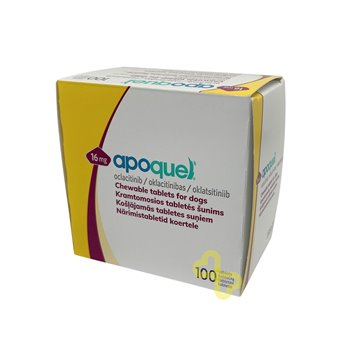
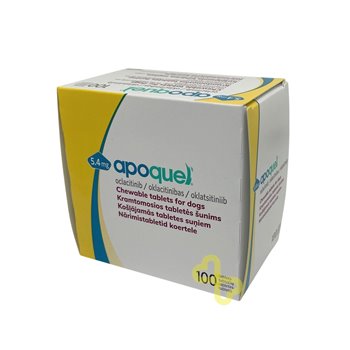
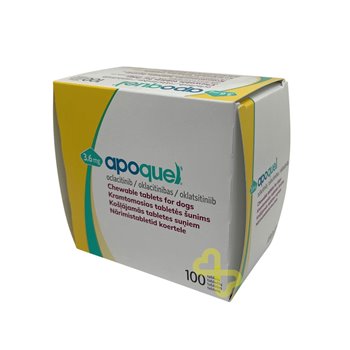
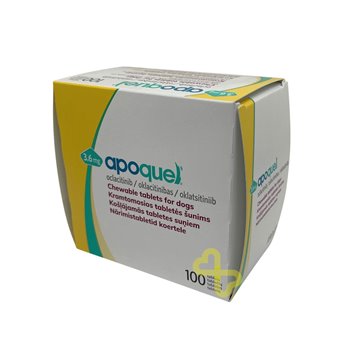
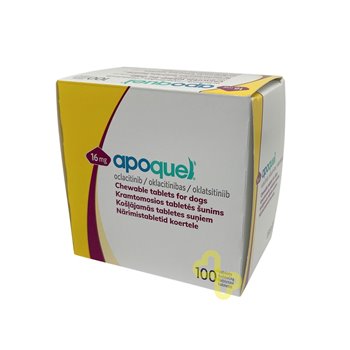
Skylocalm contains the same active ingredient as Apoquel (oclacitinib). However, a prescription is not interchangeable between named products. If your vet issues a prescription specifically for Skylocalm, we cannot accept that prescription to supply Apoquel, even though the ingredient is the same. If you would like to purchase Apoquel instead of Skylocalm, your vet would need to prescribe Apoquel (or prescribe in a way that legally allows the intended supply i.e. oclacitinib).
Skylocalm is used in dogs that are scratching, licking, chewing, rubbing, or generally uncomfortable because their skin is reacting to allergies. In many dogs, itching is not simply a surface problem. It is driven by chemical signals in the immune system that trigger inflammation and the sensation of itch. Skylocalm works by targeting those signals, which helps reduce itching and calm inflamed skin so the skin barrier has a chance to recover.
How Skylocalm works
Skylocalm contains oclacitinib (as oclacitinib maleate). Oclacitinib affects specific immune signalling pathways involved in itch and inflammation. In simple terms, it reduces the "itch messages" and dampens some of the inflammatory activity that contributes to redness, soreness, and ongoing irritation. Because it works on immune signalling, it is not the same as a shampoo, moisturiser, or antibiotic. It is intended to control the allergic itch cycle that can otherwise keep repeating.
In dogs with allergy-driven skin disease, persistent itching can cause self-trauma. Scratching and chewing damage the skin, which can lead to secondary problems such as bacterial or yeast overgrowth, hot spots, and ear inflammation. By reducing the itch sensation and inflammatory response, Skylocalm can help break that cycle while your vet investigates and manages the underlying cause.
Pruritus associated with allergic dermatitis
"Pruritus" means itch and "Allergic dermatitis" describes inflammation of the skin caused by an allergic trigger. Dogs can develop allergic dermatitis for several reasons, including flea allergy dermatitis, food-related hypersensitivity, contact allergy, and environmental allergens. The pattern can vary. Some dogs mainly itch their paws and belly. Others rub their face, scratch their sides, or develop recurrent ear irritation.
It is important to understand that controlling itch is only one part of care. If fleas are involved, strict flea control is essential, even if you rarely see fleas. If food allergy is suspected, your vet may recommend a diet trial. If there is contact irritation, identifying and avoiding triggers can help. Skylocalm can be used to control the itch and inflammation while these underlying causes are investigated and addressed.
Atopic dermatitis is a common, long-term allergic skin condition in dogs, usually linked to sensitivity to environmental allergens such as house dust mites, pollens, and moulds. It often begins as recurrent itching that flares at certain times of year or after changes in the home environment, then becomes more persistent over time.
Clinical signs can include itching and redness of the paws, face, ears, armpits, groin, and underside. Many dogs lick their feet, rub their muzzle, or scratch their ears. Recurrent ear problems can be part of the same allergic picture. The skin can become thickened, darker, or more prone to infection if inflammation is ongoing. Managing atopic dermatitis often requires a long-term plan, which may include parasite control, skin support, treatment of secondary infections when present, and prescribed anti-itch therapy such as Skylocalm.
Dosing and administration
Skylocalm tablets are given by mouth and can be given with or without food. Treatment is commonly started at a twice-daily schedule for a short initial period, then reduced to once daily for ongoing control if needed. Your vet will choose the dose based on your dog’s bodyweight and clinical response. Tablets may be supplied in different strengths and some tablets can be divided to help achieve accurate dosing.
Do not change the dose, stop treatment, or restart treatment without veterinary advice. If you miss a dose, follow your vet’s instructions on what to do next.
Skylocalm is intended for dogs of an appropriate age and bodyweight, and it may not be suitable for every dog. Because oclacitinib modulates the immune response, dogs receiving treatment should be monitored for infections and other health changes. Your vet may recommend periodic check-ups and, for longer-term use, occasional blood tests.
Skylocalm may not be appropriate for dogs with certain underlying conditions or for dogs intended for breeding. Tell your vet about any past or current health issues, and about any other medicines or supplements your dog is receiving. If your dog is due vaccinations, your vet can advise on timing while on treatment.
As with any prescription medicine, side effects are possible. These can include digestive upset (such as vomiting or diarrhoea), reduced appetite, lethargy, increased thirst, and skin or ear infections. Report any new symptoms to your vet promptly, especially if your dog seems unwell, develops lumps, has recurrent infections, or shows a notable change in behaviour.