


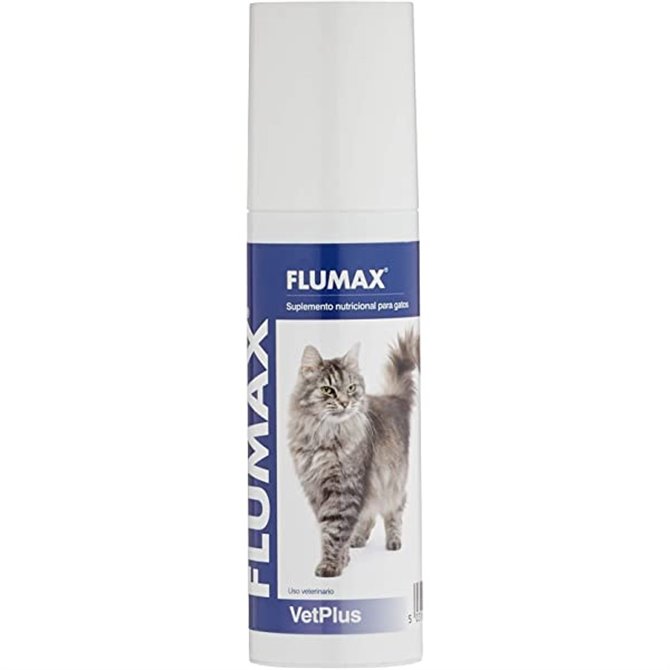
Flumax for Cats - 150ml
Flumax for Cats is a palatable supplement made to support the feline respiratory tract at times when breathing, appetite and overall comfort are being challenged. Many cats experience episodes of upper respiratory tract disease (often called “cat flu”), where inflamed nasal passages and a sore throat can make them feel flat, congested and reluctant to eat.
Flumax for Cats is not an antibiotic or an antiviral medicine, and it is not a substitute for veterinary care, but it can be a useful part of supportive management when your cat needs extra nutritional help. The paste format is practical for cats with reduced appetite, and the airless pump dispenser helps you give a consistent amount without mess. Flumax for Cats is typically chosen for short-term support during flare-ups, or as ongoing help for cats that seem prone to recurring respiratory signs, especially in multi-cat homes where infections can circulate more easily. 150ml
Additional Product Information
Description
Upper respiratory tract problems in cats are often grouped under the clinical term feline upper respiratory tract disease (URTD). The most common primary causes are viral infections such as feline herpesvirus-1 (FHV‑1) and feline calicivirus (FCV), with secondary bacterial involvement sometimes adding to the severity and duration of signs. Inflammation of the nasal mucosa, pharynx and conjunctiva can lead to mucus build-up, discomfort and reduced sense of smell, which is one reason cats may stop eating during an episode. Cats affected by URTD may show one or more of the following signs:
- sneezing, nasal congestion or nasal discharge (clear, white or thicker mucus)
- watery eyes, conjunctivitis, squinting or sticky ocular discharge
- ulceration in the mouth, drooling, halitosis or pain when swallowing
- pyrexia (fever), lethargy, reduced grooming and inappetence
- dehydration or weight loss if eating and drinking drop for several days
Because these infections can be more serious in kittens, older cats or cats with concurrent disease, many owners use Flumax for Cats as part of a wider plan that prioritises hydration, calories, warmth and timely veterinary assessment when needed.
Flumax for Cats works by combining targeted nutrients and botanical extracts that support mucosal defences, immune function and recovery during respiratory stress. A central ingredient is L‑lysine, an essential amino acid that has been widely used as nutritional support for cats prone to herpesvirus-associated flare-ups; lysine has been suggested to influence viral activity by altering the lysine–arginine balance, as arginine is involved in herpesvirus replication, although individual responses can vary. Flumax for Cats also includes antioxidant-rich fruit extracts such as cranberry and pomegranate, which supply polyphenols that may help reduce oxidative stress in inflamed tissues. Pelargonium sidoides is included as a plant extract associated with support for innate respiratory defence mechanisms, helping the body’s first-line response within the upper airways. Zinc, an essential trace element, contributes to normal immune cell function and epithelial integrity, while B vitamins support energy metabolism and can be helpful when appetite is reduced and the body’s nutritional demands increase. Together, these components aim to support the cat’s own immune response and tissue resilience rather than “masking” symptoms.
During an acute episode, supportive care is about keeping a cat comfortable and eating while the infection runs its course, and Flumax for Cats can fit into that approach. It may be used when a cat has sneezing, nasal discharge, watery eyes or mild oral ulceration and you want extra nutritional support for the upper respiratory tract. Because cats rely heavily on smell, congestion can quickly lead to inappetence; a palatable paste like Flumax for Cats can be easier to manage than tablets. Flumax for Cats can be given from the pump, placed on a paw for licking, or mixed into a small amount of food, and many owners find smaller, frequent portions are better accepted. Typical feeding guidance is 2 pumps twice daily for adult cats and 1 pump twice daily for kittens, but always follow the label and your vet’s advice. If necessary, the amount can be adjusted in line with bodyweight, and some cats benefit from continued use beyond the acute phase to support convalescence.
Flumax for Cats is generally well tolerated as a nutritional supplement, but any change in diet can upset sensitive stomachs, so introduce it with food and monitor stools and appetite for a few days. If vomiting, diarrhoea or a marked refusal of food occurs, stop and ask a vet for advice. Flumax for Cats is commonly used alongside vet-prescribed treatments such as lubricating eye gels, topical ocular antibiotics for confirmed bacterial conjunctivitis, analgesia, or systemic antibiotics where secondary bacterial infection is suspected. When antibiotics are used, some owners also add probiotics to support the gut, particularly in cats prone to loose stools. In cats with recurring FHV‑1 flare-ups, Flumax for Cats may sit within a plan that reduces stress, supports regular eating, and improves environmental management such as good ventilation, clean bedding, and sensible separation of unwell cats. If your cat is pregnant, nursing, on a prescription diet, or has chronic kidney or liver disease, ask your vet how best to use Flumax for Cats and whether other supplements should be adjusted.
Respiratory illness can worsen quickly in kittens and fragile adults, so watch breathing and hydration closely while using Flumax for Cats. Urgent veterinary attention is needed for open-mouth breathing, noisy or laboured respiration, collapse, or a blue tinge to the gums. Contact a vet promptly if your cat stops eating for more than 24 hours (or sooner in kittens), cannot keep water down, has persistent pyrexia, or develops thick yellow-green nasal or eye discharge. At home, keep your cat warm and quiet, wipe away eye and nose discharge with soft damp cotton, offer small aromatic meals, and encourage fluids. Gentle humidity can loosen secretions, but avoid giving human cold remedies, essential oils or decongestants, as these can be harmful to cats. Continue Flumax for Cats as directed while you track appetite, urination, breathing effort and comfort.
What is Flumax used for?
Flumax is a complementary feed supplement used to provide nutritional support to the upper airways when cats have signs of feline upper respiratory tract disease (URTD). It is often chosen for sneezing, congestion, runny eyes and reduced appetite, as part of supportive care rather than a stand‑alone treatment.
Can Flumax for Cats help with cat flu?
Flumax for Cats may help support the body during “cat flu” episodes by providing ingredients linked with immune and mucosal defence support. It does not cure viral infections, and cats with fever, thick discharge, painful eyes or mouth ulcers still need veterinary assessment. Think of it as supportive nursing help.
How does Flumax for Cats work?
Flumax combines L‑lysine with antioxidant fruit extracts, Pelargonium sidoides, zinc and B vitamins. These ingredients are intended to support immune function, reduce oxidative stress in inflamed tissues and help maintain appetite and energy. It supports the cat’s natural recovery processes rather than acting like an antibiotic.
What upper respiratory signs in cats are an emergency?
Seek urgent veterinary help if your cat has open‑mouth breathing, severe or noisy breathing, collapse, a blue tinge to the gums, or extreme lethargy. Contact a vet promptly if your cat will not eat for 24 hours (sooner in kittens), cannot keep water down, or develops thick yellow-green discharge.
Does Flumax for Cats prevent flare-ups or viral shedding?
Flumax includes L‑lysine, which has been used as nutritional support for cats prone to herpesvirus-related flare-ups, but results can vary between individuals. No supplement can guarantee prevention. Reducing stress, keeping vaccinations up to date, and good hygiene in multi-cat homes remain important.
What our customers say about us.
Quick efficient and professional. Product arrived promptly and well packaged
Steph
Source: Trustpilot Review
I always use vetdispense to order my dogs Cytopoint. It always arrives pronptly and well packaged.
Victoria
Source: Trustpilot Review
First time I have used this company and pleased the Order arrived fairly quickly and at a reasonable price, will definitely be using this company again
MW
Source: Trustpilot Review
You may also like
- Tracked 24 Delivery Follow your parcel online
- VMD & RCVS Registered VetDispense is a registered UK Dispensary
- Secure Payment Pay securely online by card or PayPal
- Independent Since 2008 A Trusted UK Dispensary