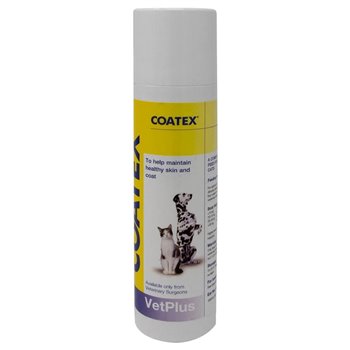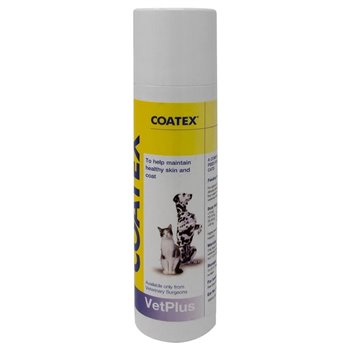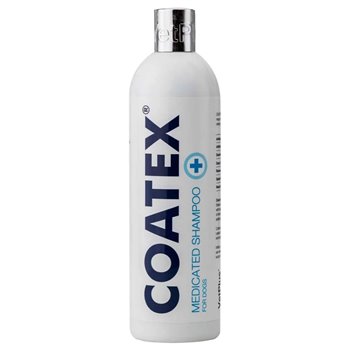


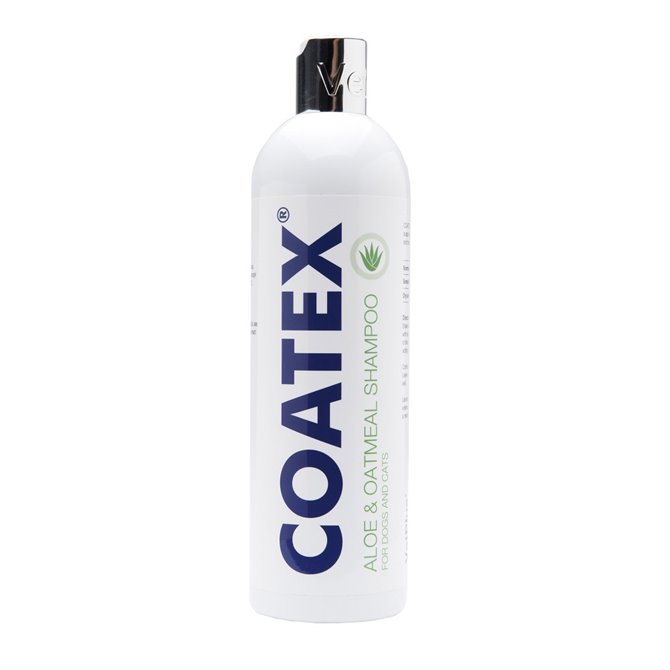
Coatex Aloe & Oatmeal Shampoo - 500ml
150952
Coatex Aloe & Oatmeal Shampoo is a gentle, veterinary-formulated cleanser formulated with moisturisers, Vitamins A, D, & E and Chamomile for dogs whose skin becomes dry, itchy or easily irritated. If your pet is prone to recurrent pruritus (itching), mild erythema (redness), dandruff-like scaling or a coat that feels rough and lacklustre, Coatex Shampoo can be a useful addition to a skin-care routine. Coatex lifts everyday dirt, pollen and other surface irritants while leaving the skin feeling comfortable. Many dogs with allergic skin disease need frequent bathing to remove allergens from the coat, but over-washing with harsh products can worsen dryness and sensitivity. Coatex Shampoo is intended to support routine cleansing when the goal is soothing care and moisturising support, particularly after muddy walks, during seasonal flare-ups, or when the coat needs a reset without making itching worse.
Product Features
- Pack Size: - 500ml
- Target Animal: - Dogs and Cats
- Pet Prescription Required?: - No
- Product Name: - Coatex Aloe Oatmeal Shampoo - 500ml
More Information
Description
The outer layer of skin (the stratum corneum) acts like a protective wall, helping to keep moisture in and reduce penetration of allergens, microbes and chemical irritants. When that wall is disrupted, transepidermal water loss increases, the surface becomes dry (xerosis), and nerve endings are more easily triggered, which can intensify scratching and licking. Coatex Shampoo combines two well-recognised soothing ingredients: aloe and oatmeal. Oatmeal is commonly used in dermatology in a finely milled form that disperses through water and sits on the skin surface, helping to bind moisture and create a soft, protective film. Aloe is widely used for its moisturising and calming properties; it supports hydration and can help the skin feel less tight or “stingy” after washing. By cleansing gently and supporting a calmer skin surface, Coatex Shampoo can help reduce the itch–scratch cycle that keeps mild dermatitis going.
When using Coatex Shampoo, aim for an even, thorough wash rather than a quick scrub-and-rinse. Wet the coat fully with lukewarm water, then massage the lather through the hair and down to the skin, paying attention to areas that trap allergens such as paws, belly, armpits, around the muzzle and under the collar. A short contact time is often helpful because it allows the aloe and oatmeal to sit against the skin before you rinse, but you do not need to overwork the coat. Rinse very well, because any residue can contribute to irritation or leave the coat feeling heavy. Pat dry with a towel and keep your dog warm while the coat dries. Your vet may recommend using Coatex Shampoo once or twice weekly during a flare, then reducing to less frequent maintenance bathing, depending on the underlying cause and your dog’s tolerance. If your dog is using a prescription topical treatment, ask your veterinary team how to space bathing so you get the benefit of both. For anxious dogs, a non-slip mat, calm handling and tepid water can make bathing easier and reduce stress-related scratching afterwards.
Coatex Shampoo is often chosen for pets showing signs of low-grade inflammation or barrier weakness rather than obvious infection. It can be appropriate when the skin needs regular cleansing but also needs support to stay hydrated and less reactive. You might consider discussing Coatex Shampoo with your vet if you notice any of the following:
- Persistent scratching, rubbing or licking, especially of paws, groin, face or belly.
- Dry flaking or diffuse scaling, or a coat that feels harsh and “static”.
- Patchy redness, mild swelling, or warm skin after walks, grooming or seasonal changes.
- Recurrent “hot spots” that begin with itch and progress to self-trauma.
- Greasy build-up in skin folds or around the neck, or a coat that soils quickly after bathing.
- A mild musty smell that returns soon after ordinary washing.
These signs can have many causes, including parasites, atopic dermatitis, contact irritation, seborrhoeic skin changes and endocrine conditions, so persistent symptoms deserve a proper clinical assessment. This shampoo can support comfort and hygiene, but it cannot diagnose the trigger for itch and it will not resolve conditions that need targeted treatment, such as bacterial pyoderma, yeast overgrowth or fleas. If you see pustules, open sores, thickened or darkened skin, a strong yeasty odour, ear pain, or your dog seems unwell, it is safer to arrange a veterinary review before relying on home bathing alone.
Most dogs tolerate Coatex Shampoo well when it is used as directed, but sensible precautions make bathing safer and more effective. Avoid getting the product into the eyes, and do not force liquid into the ear canal, because moisture trapped in the ear can contribute to otitis externa in susceptible dogs. Do not apply it to raw, broken skin unless your vet has advised it, because damaged tissue can sting and is more vulnerable to secondary infection. If your dog is on a topical spot-on parasite treatment, check the label or ask your vet about timing, because frequent shampooing may reduce how long some products last. For dogs with very sensitive skin, it can be reassuring to patch-test by washing a small area first and monitoring for increased redness, discomfort or hives. If irritation occurs, rinse thoroughly with water and seek veterinary advice, as hypersensitivity reactions, while uncommon, can occur with any topical product.
Skin care rarely depends on one step alone, and Coatex Shampoo fits best when it is paired with gentle, consistent handling and good overall disease control. Brushing before bathing removes loose hair and helps the lather reach the skin evenly, while brushing afterwards can reduce matting and improve airflow to the skin surface. Between baths, wiping paws and belly after walks can reduce allergen load, and washing bedding regularly can limit re-exposure for dogs with allergic skin disease. If itching is persistent, your vet may discuss broader management such as strict parasite control, an elimination diet trial, or anti-pruritic medication for atopic dermatitis, because topical care works best when the underlying trigger is addressed. Used calmly and consistently, Coatex Shampoo can support skin hydration and day-to-day comfort without over-drying the skin.
How often can I use Coatex Shampoo on my dog?
Frequency depends on the underlying problem and your vet’s plan. Many dogs tolerate Coatex Shampoo once or twice weekly during a flare, then less often for maintenance. Regular bathing can remove allergens from the coat, but over-washing can dry the skin, so adjust based on comfort and coat condition.
Can Coatex Shampoo help with dog allergies?
Coatex Shampoo does not “treat” allergies, but it can support dogs with allergic dermatitis by gently cleansing the coat and helping reduce allergen build-up on the skin. The aloe and oatmeal can soothe pruritus and reduce that tight, dry feeling that makes dogs scratch more.
Is Coatex Shampoo suitable for puppies?
It is generally used for routine skin care, but young puppies can have more delicate skin and may chill quickly after baths. If you want to use Coatex Shampoo on a puppy, keep the water lukewarm, rinse thoroughly, dry well, and check with your vet if the puppy is very young or unwell.
How long should I leave Coatex Shampoo on the coat?
A short contact time can be helpful, as it allows the aloe and oatmeal to sit against the skin. In practice, that often means lathering thoroughly, waiting a few minutes while keeping your dog calm and warm, then rinsing very well. Always follow any label guidance.
Can I use Coatex Shampoo alongside flea or tick treatments?
Often yes, but timing matters. Some spot-on parasite treatments can be affected by frequent bathing, particularly soon after application. If you use Coatex Shampoo regularly, ask your vet or read the parasite product guidance about bathing intervals so you maintain effective flea control.
Brand

You may also like