


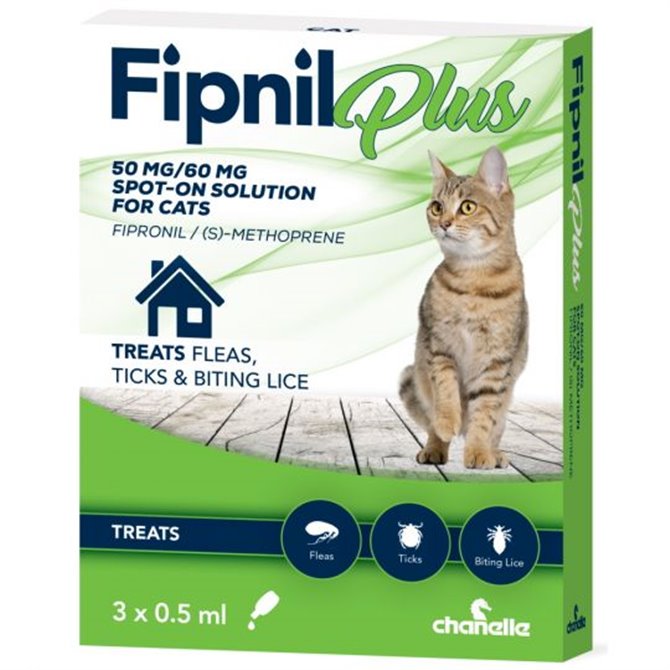
Fipnil Plus Flea & Tick Treatment for Cats - 3 Pipettes
Fipnil Plus Flea & Tick Treatment for Cats is a convenient spot-on ectoparasiticide designed to help protect cats from fleas and ticks with a single monthly application. Even indoor cats can pick up parasites on shoes, clothing, or visiting pets, and once fleas are in the home they can multiply quickly.
Using Fipnil Plus Flea & Tick Treatment as part of a routine flea plan supports your cat’s skin comfort, helps reduce itching, and lowers the chance of fleas spreading through soft furnishings and bedding. Because cats groom meticulously, it is important to choose a treatment formulated specifically for cats and to apply it correctly at the back of the neck where licking is difficult.
Product Features
- Pack Size: - Pack of 3 Pipettes
- Target Animal: - Cat (Feline)
- Related Condition: - Flea and Tick Treatment/Prevention in Cats
- Pet Prescription Required?: - No
- Active Ingredient: - Fipronil
- Product Name: - Fipnil Flea & Tick Spot on for Cats
Additional Product Information
Description
To understand how Fipnil Plus Flea & Tick Treatment for Cats works, it helps to think about where fleas and ticks live. After application, the active ingredients spread across the skin surface and concentrate in the sebaceous glands, creating a protective film on the coat. The primary insecticide, fipronil, is classed as an adulticide and acaricide; it acts on parasite nerve transmission (including GABA-regulated chloride channels), which leads to hyperexcitation and death of fleas and ticks when they come into contact with treated hair and skin.
The “Plus” component is the insect growth regulator (S)-methoprene, which is designed to disrupt the flea life cycle by preventing eggs and larvae from developing into biting adults. This dual action means Fipnil Plus Flea & Tick Treatment for Cats is not only aimed at removing the parasites you can see today, but also at reducing re-infestation pressure over the following weeks. Fipnil Plus for Cats works externally on the skin rather than circulating through the bloodstream, so parasites are typically killed by contact, which can be helpful when you are trying to break the cycle in multi-pet households.
Fleas are more than a nuisance. A single bite can trigger significant pruritus in sensitive cats, and repeated exposure can lead to flea allergy dermatitis with papules, miliary dermatitis, alopecia, and secondary bacterial skin infection. In kittens, heavy flea burdens can contribute to anaemia, lethargy, and poor weight gain. Fleas can also be involved in the transmission of tapeworms such as Dipylidium caninum, which is why a comprehensive parasite plan may include both flea control and routine worming. Ticks attach firmly and can cause local inflammation, and in some circumstances they may transmit infectious agents. Regular use of Fipnil Plus Flea & Tick Treatment for Cats helps you stay ahead of these risks by maintaining steady control rather than reacting after your cat becomes uncomfortable. If you are unsure whether parasites are part of the problem, these signs are worth looking out for:
- frequent scratching, overgrooming, or restlessness
- tiny black specks (flea dirt) in the coat, especially near the tail base
- small scabs along the back or neck (miliary dermatitis)
- hair thinning or bald patches with redness (erythema)
- a visible tick attached to the skin, often around the head, ears, or neck
- small, pale “rice grain” segments in bedding (possible tapeworm segments)
Because flea eggs and larvae are often in the environment rather than on the cat, using Fipnil Plus Flea & Tick Treatment for Cats at the recommended interval is one of the most effective ways to prevent a brief exposure turning into an ongoing household infestation.
Applying Fipnil Plus for Cats is easy. Part the hair at the base of the skull or between the shoulder blades until you can see the skin, then apply the full contents of the pipette directly onto the skin in one spot. Try not to massage it in, and keep your cat from being handled excessively until the application site is dry. If you have more than one cat, separate them briefly so that mutual grooming does not lead to accidental ingestion. Bathing and shampooing can reduce the persistence of topical treatments, so it is usually sensible to avoid washing for a couple of days either side of application unless your veterinary surgeon advises otherwise. Keeping a note of treatment dates can help you avoid missed doses. Fipnil Plus works best when every cat (and any dogs in the home on a suitable product) is treated on a coordinated schedule, and when you also address the home environment with regular vacuuming of carpets, sofas, and skirting boards, plus hot washing of bedding.
Most cats tolerate topical flea products well, but it is still wise to monitor your pet after each application, especially the first time you use Fipnil Plus Flea & Tick Treatment for Cats. Mild, short-lived reactions such as temporary skin irritation, itching at the application site, or a slightly greasy patch can occur, and occasional cats may drool or vomit if they manage to lick the product before it dries. If you notice marked erythema, widespread pruritus, facial swelling, breathing changes, unsteadiness, or your cat seems generally unwell, contact a veterinary professional promptly for advice. If you find a tick on your cat, a proper tick remover can help you detach it cleanly without squeezing the body, and you should keep an eye on the bite site for several days for heat, swelling, or discharge. When fleas are persistent despite treatment, it often reflects environmental stages (eggs, larvae, pupae) continuing to emerge, so staying consistent with monthly application and household measures is usually the kindest, calmest approach for both you and your cat.
How often should I apply Fipnil Plus Flea & Tick Treatment for Cats?
Most spot-on flea products are used every four weeks, because consistent coverage is what breaks the flea life cycle. Follow the dosing interval on the pack and set a reminder so you do not drift. If your cat has skin disease or a heavy infestation, ask your vet about the best schedule.
How quickly does Fipnil Plus start working?
After you apply the pipette, the actives spread over the skin and coat. Many cats get noticeable relief as adult fleas are killed, but the exact speed depends on parasite pressure and your cat’s coat. Keep up monthly doses, because new fleas can emerge from the home environment for weeks.
Does Fipnil Plus for Cats kill flea eggs and larvae?
The “Plus” element is typically an insect growth regulator that targets immature flea stages, helping stop eggs and larvae developing into adults. That is important because most of the infestation lives off the cat in carpets and bedding. You may still need house-cleaning measures while the environment clears.
What if my cat licks the application site after using Fipnil Plus?
A small lick can cause temporary hypersalivation, gagging, or vomiting because the product tastes bitter. Offer water, keep your cat calm, and prevent further licking by separating pets until dry. If signs are severe, persistent, or your cat seems unwell, contact your vet.
Do indoor-only cats really need flea treatment?
Yes, many do. Fleas can hitchhike into the home on shoes, visitors, or other pets, and centrally heated houses let them breed year-round. Ticks are less common indoors, but cats that sit in open windows or go on balconies can still be exposed. Prevention is usually easier than clearance.
What our customers say about us.
Quick delivery
Emma
Source: Trustpilot Review
Ordering prescription meds for my dog was quick and easy, quick delivery is always welcome. Fantastic customer service.
M Wilson
Source: Trustpilot Review
I always use vetdispense to order my dogs Cytopoint. It always arrives pronptly and well packaged.
Victoria
Source: Trustpilot Review
You may also like
- Tracked 24 Delivery Follow your parcel online
- VMD & RCVS Registered VetDispense is a registered UK Dispensary
- Secure Payment Pay securely online by card or PayPal
- Independent Since 2008 A Trusted UK Dispensary