


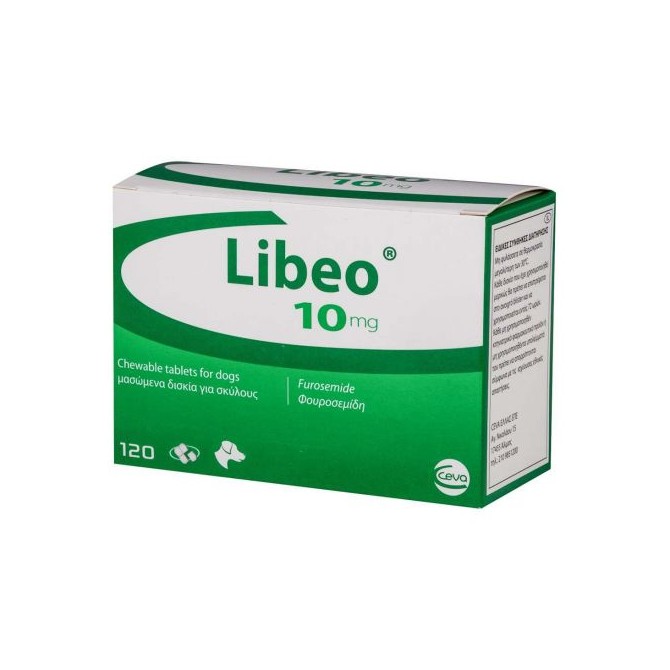
10mg Libeo Tablets For Dogs - per Tablet
10mg Libeo is a chewable furosemide tablet for dogs. Furosemide is a "loop diuretic", which means it encourages the kidneys to pass more salt and water into the urine. In dogs with heart failure, this diuretic effect helps reduce the excess fluid that can collect in the lungs, abdomen, or other tissues. Libeo is authorised for the treatment of ascites and oedema, particularly when these signs are associated with cardiac insufficiency.
When the heart is not pumping efficiently, pressure can rise in the blood vessels that return blood to the heart. Fluid can then seep out of the circulation and into body tissues. Pulmonary congestion or pulmonary oedema can occur when fluid accumulates in or around the lungs, and breathing can become more difficult. Pleural effusion can occur when fluid collects around the lungs and limits their expansion. Ascites can occur when fluid collects in the abdomen and causes visible distension. Peripheral oedema can appear as swelling in the limbs or under the skin.
Not every dog with heart disease develops fluid build-up, but when it occurs it is a common reason for sudden worsening of symptoms. Many dogs require long-term treatment and regular monitoring, because the dose often needs adjustment as the disease changes over time.
How 10mg Libeo works
Furosemide acts mainly in a part of the kidney called the loop of Henle. It reduces the reabsorption of sodium and chloride, and water follows these salts into the urine. As urine output increases, the amount of fluid circulating in the bloodstream falls. This reduction in circulating volume can lower venous pressure and reduce the “back-pressure” that drives fluid into the lungs or abdomen.
VETERINARY PRESCRIPTION REQUIRED
Product Features
- Pack Size: - Sold Individually
- Target Animal: - Dog (Canine)
- Related Condition: - Ascites and Oedema in Dogs
- Pet Prescription Required?: - Yes
- Active Ingredient: - 10mg Furosemide
- Product Name: - 10mg Libeo
Additional Product Information
Description
10mg Libeo for Dogs
Libeo may only be supplied with a valid veterinary prescription issued by your vet. You should only purchase Libeo if you have or are in the process of arranging such a prescription. See information bar for further details.
Libeo does not correct the underlying heart problem. It is used to manage the consequences of heart failure, and it is commonly prescribed alongside other medicines that support heart function and reduce the hormonal responses that worsen fluid retention.
10mg Libeo is a prescription-only medicine (POM‑V) and should be used exactly as directed by your veterinary surgeon. Dosing is individual and depends on the dog’s size, the severity of fluid build-up, kidney function, and how the dog responds to treatment.
Because Libeo is a chewable tablet that can be divided into equal quarters, it allows dosing to be adjusted in smaller steps. This can be helpful when a vet is trying to fine-tune control of oedema or ascites while avoiding excessive fluid loss.
Your vet may recommend follow-up checks. These can include a clinical examination, body weight tracking, assessment of breathing rate and effort, and blood tests to monitor kidney parameters and electrolytes. This monitoring is important because diuretics can alter hydration status and salt balance, especially when used long term.
A diuretic increases urination. Many dogs will need to go outside more often after a dose, and some dogs will drink more water. These effects are expected and are part of how the medicine removes excess fluid.
If your dog seems unusually tired, weak, unsteady, very thirsty, or is passing much more or much less urine than usual, your vet should be contacted. These signs can be associated with dehydration or changes in electrolytes, and the dose may need review.
Do not give Libeo to a dog unless it has been prescribed for that dog by a veterinary surgeon. It is not suitable for every patient.
Libeo should not be used in dogs suffering from hypovolaemia, hypotension or dehydration. It should not be used in cases of renal failure with anuria. It should not be used in cases of electrolyte deficiency. It should also not be used in cases of hypersensitivity to furosemide, sulfonamides or any of the excipients.
Special care is needed if the dog has kidney disease, liver disease, or diabetes mellitus. Special care is also needed if the dog has vomiting, diarrhoea, or any other problem that could cause dehydration. Your vet should also know about any other condition requiring medicines that can affect the kidneys or blood pressure.
Drug interactions are possible. Non-steroidal anti-inflammatory drugs (NSAIDs) may reduce the diuretic effect and can increase the risk of kidney side effects in some situations. Other medicines, including certain antibiotics, steroids, ACE inhibitors, and digoxin, may require additional monitoring when used alongside furosemide. Your vet will consider the full treatment plan and may advise blood tests or dose changes.
If a dose is missed, follow your vet’s advice. In many cases, the next scheduled dose is given at the usual time, but you should avoid doubling up unless specifically instructed.
Dogs with Congestive Heart Failure often need more than one medicine. Furosemide helps to remove excess fluid, while other medicines may improve heart pumping ability, relax blood vessels, or reduce hormonal signals that encourage salt and water retention. Your vet will tailor therapy to the underlying diagnosis, such as mitral valve disease or dilated cardiomyopathy, and will adjust treatment as the condition changes.
It can be useful to keep a simple log at home. Recording resting breathing rate, appetite, body weight, and energy levels can help you and your vet spot early signs of fluid returning. Prompt adjustments can sometimes prevent emergency deterioration. 10mg Libeo is supplied as a beige, clover-shaped chewable tablet that can be divided into equal quarters. Store the product as directed on the packaging and keep it out of the sight and reach of children. Any part-used tablet should be returned to the opened blister to protect it until the next dose, and should not be kept for long periods once removed from the blister.
How does Libeo help with ascites and oedema?
Libeo acts in the kidneys to reduce salt reabsorption, so more sodium and water leave the body in the urine. This lowers circulating fluid volume and venous pressure, which can reduce the forces that drive fluid into tissues and body cavities. The result is less congestion and improved comfort.
How quickly should I expect Libeo to work?
Many dogs start urinating more within a few hours of a dose, although the exact timing varies between patients. Clinical improvement depends on how much fluid is present and the underlying heart condition. If breathing effort worsens, your dog collapses, or you are worried, contact your vet urgently.
Why is my dog drinking and urinating more on Libeo?
Increased urination is expected because Libeo is designed to remove excess fluid. As urine output rises, many dogs feel thirstier and drink more to maintain hydration. Ensure fresh water is always available. If your dog becomes very lethargic, stops eating, or seems dehydrated, your vet should review the dose.
Can Libeo be given with other heart medicines?
Yes, it is commonly used alongside medicines such as pimobendan, ACE inhibitors, and spironolactone, because they work in different ways. Combining treatments can improve control of heart failure, but it also increases the need for monitoring. Your vet will decide the safest combination and follow-up schedule for your dog.
What is the difference between Libeo and UpCard?
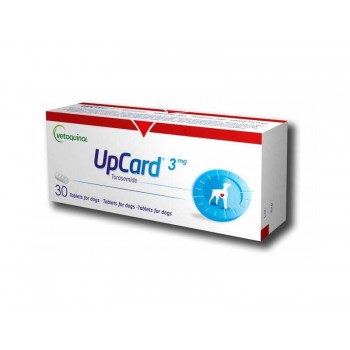
Both are diuretics used to manage fluid in heart failure, but they contain different active ingredients. Libeo contains furosemide, while UpCard contains torasemide. Some dogs are switched if fluid control is difficult or if dosing convenience is important. Only a vet should decide which diuretic is appropriate.
What our customers say about us.
I bought some pills for my cat that the vet had recommended. I shopped around at various pet product sites and found Vetdispense far the cheapest even after including the postage charge. Delivery was within a few days of my order. By all means if you are buying something for your pet, check all the sites but make sure you check Vetdispense!
Martin
Source: Trustpilot Review
Quick delivery
Emma
Source: Trustpilot Review
Quick delivery. Never any issues. Thank you.
Rebecca
Source: Trustpilot Review
You may also like
- Tracked 24 Delivery Follow your parcel online
- VMD & RCVS Registered VetDispense is a registered UK Dispensary
- Secure Payment Pay securely online by card or PayPal
- Independent Since 2008 A Trusted UK Dispensary