Cushing's in dogs, also called hyperadrenocorticism, is a long-term hormonal disorder caused by excessive cortisol in the body. Cortisol is a normal steroid hormone made by the adrenal glands, and in healthy dogs it helps regulate metabolism, inflammation, blood pressure and the response to stress. In dogs with Cushing's, that balance is lost and the body is exposed to too much cortisol for too long. The result is a condition that can affect the skin, muscles, liver, urinary tract and general wellbeing.
Cushing's Disease in Dogs often develops gradually, so the early changes can be easy to dismiss. Many owners first notice that their dog seems older, thirstier or hungrier than usual. That slow onset is one reason the condition is often recognised after a pattern of small changes rather than one dramatic event. The reassuring part is that many dogs do very well once the condition has been identified and a sensible treatment plan is in place.
There are several forms of Cushing's in dogs, but the two most important are pituitary-dependent hyperadrenocorticism and adrenal-dependent hyperadrenocorticism. Pituitary-dependent disease happens when a small tumour in the pituitary gland produces too much adrenocorticotropic hormone, or ACTH, which tells the adrenal glands to keep making cortisol. This is the most common form. Adrenal-dependent disease is caused by a tumour in one adrenal gland that produces cortisol directly. A third form, called iatrogenic Cushing's, can appear after prolonged steroid treatment. Cushing's in dogs is seen most often in middle-aged to older dogs, and the signs can easily be mistaken for normal ageing unless they are looked at together. Owners should never feel they have missed something obvious, because Cushing's in dogs can be subtle for a long time and usually needs proper veterinary testing before it can be confirmed.
The signs of Cushing's in dogs can vary, but there are some patterns vets see again and again. A dog may begin drinking much more water, asking to go outside more often, waking in the night to urinate, or having accidents indoors after years of being reliable. Appetite often increases as well, so some dogs seem constantly hungry or start stealing food. Changes to the coat and skin are also common because cortisol affects hair growth, skin thickness and healing. Typical signs include:
- increased thirst and increased urination, known clinically as polydipsia and polyuria
- increased appetite, or polyphagia
- panting, reduced stamina and a tendency to seem restless
- a pot-bellied shape caused by fat redistribution, hepatomegaly and weakening of the abdominal muscles
- hair thinning, alopecia, thin skin, blackheads or recurrent skin infections
- muscle wasting, weakness and slower recovery after exercise
- recurrent bladder infections or delayed wound healing
Diagnosing Cushing's is rarely based on symptoms alone, because not every dog shows every classic sign. Some cases present mainly with thirst, panting and a poor coat rather than the round abdomen people often expect, while others develop secondary problems such as hypertension, urinary tract infection or diabetes mellitus. Your vet will usually begin with a careful history, a physical examination, and routine tests such as blood work and urinalysis. Dogs with this condition often have supportive findings, including dilute urine and an increased alkaline phosphatase, usually shortened to ALP, although these changes are not enough to prove the diagnosis on their own. To confirm the condition, vets commonly use an ACTH stimulation test or a low-dose dexamethasone suppression test. These tests assess how the adrenal system is handling cortisol and whether hormone production is being controlled properly. A urine cortisol:creatinine ratio may sometimes be used as part of the work-up, especially to help rule the disease out. Imaging can also be very useful. An abdominal ultrasound may show enlarged adrenal glands, an adrenal mass or other changes that help distinguish between pituitary-dependent and adrenal-dependent disease. Diagnosis can take a little patience because Cushing's in dogs shares symptoms with other common problems such as diabetes, liver disease, kidney disease and cystitis.
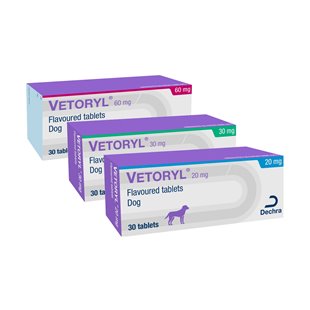
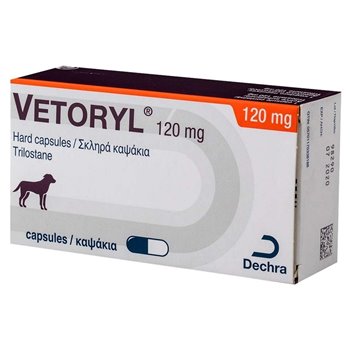
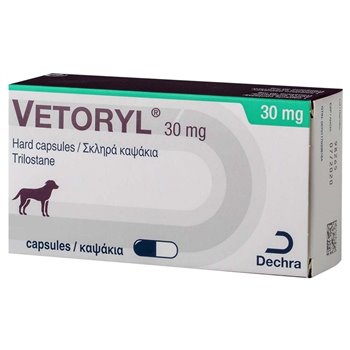
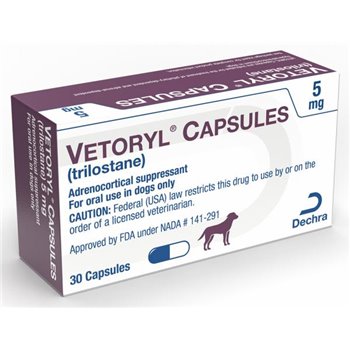
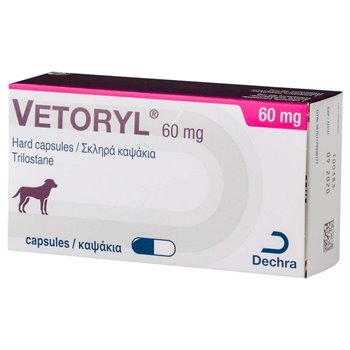
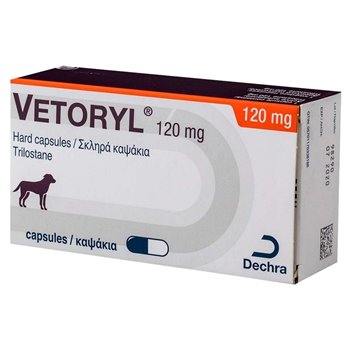
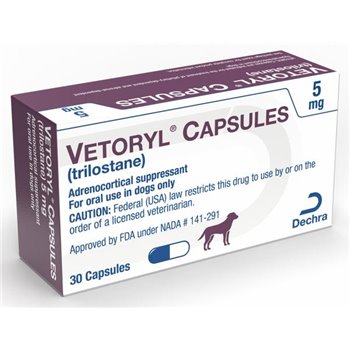
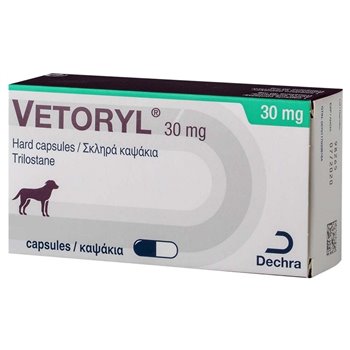
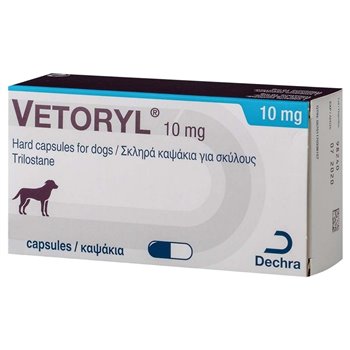
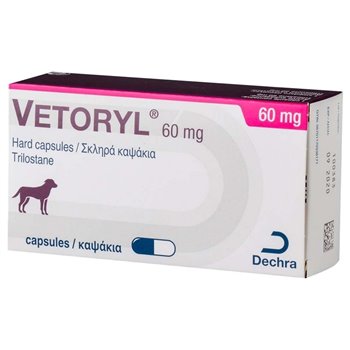
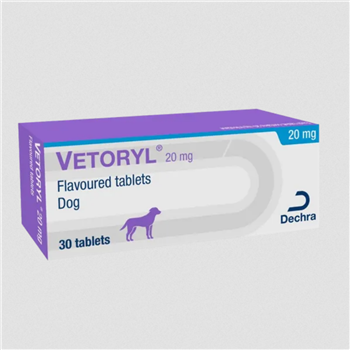
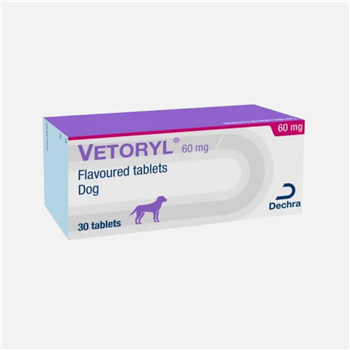
Treatment for Cushing's in dogs depends on the type of disease, the dog's overall health and how severe the clinical signs are. For most dogs with pituitary-dependent disease, medical management is the mainstay. The medicine used most often is trilostane, which reduces cortisol production and helps bring symptoms under control. It is usually given every day and needs regular follow-up tests so the dose can be adjusted safely. Some dogs improve quite quickly in terms of thirst, appetite and urination, while skin and coat changes can take longer to settle. In adrenal-dependent cases, surgery may be discussed if there is a suitable adrenal tumour and the dog is otherwise a good candidate for specialist care. Dogs with iatrogenic Cushing's disease are managed differently, because the steroid treatment has to be reduced carefully under veterinary guidance rather than stopped suddenly. Whatever the cause, treatment is not just about a prescription. It is about monitoring weight, appetite, water intake, energy levels, skin health, blood pressure and any concurrent conditions. Cushing's in dogs is often a condition of control rather than cure, but good control can make a major difference to comfort and quality of life.
Many owners find it helpful to keep a simple diary of thirst, urination, appetite, panting, energy levels and coat changes. This kind of day-to-day information can be very useful when dose adjustments are being considered. Fresh water should always be available, even if your dog is drinking more than usual, because restricting water can be dangerous. Regular rechecks are important because treatment that is too strong can push the body towards hypoadrenocorticism, causing vomiting, diarrhoea, loss of appetite, weakness or collapse. If those symptoms appear, veterinary advice should be sought urgently. It is also worth telling your vet about any other medicines or supplements your dog receives, because older dogs with Cushing's disease are often on several treatments at once. Although the diagnosis can sound daunting, many families settle into managing Cushing's in dogs very successfully. With thoughtful monitoring and good communication with your veterinary team, many dogs remain comfortable, active and very much themselves for years.
What are the first signs of Cushing's in dogs?
Early signs often include drinking more, weeing more, asking to go out overnight, panting, increased appetite and a gradual change in coat quality. Because the changes arrive slowly, they are easy to mistake for normal ageing. A simple symptom diary can help your vet spot the pattern more quickly.
How is Cushing's in dogs diagnosed?
Diagnosis usually starts with a history, examination, blood tests and a urine sample. If Cushing's is suspected, your vet may recommend an ACTH stimulation test or a low-dose dexamethasone suppression test. An abdominal ultrasound can also help show whether the adrenal glands look enlarged or abnormal.
How long can dogs live with Cushing's disease?
Life expectancy varies because it depends on the type of Cushing's, the dog's age, any other illnesses and how well treatment is tolerated. Many dogs live happily for years after diagnosis when the condition is well monitored. The goal is not just time, but better comfort and stability.
Does Cushing's in dogs cause panting?
Yes, panting is a very common sign. High cortisol levels can affect breathing pattern, muscle tone and general comfort, so dogs with Cushing's may pant more at rest or after mild activity. If panting becomes sudden, severe or is paired with weakness, vomiting or collapse, seek urgent veterinary advice.
What happens if Cushing's in dogs is left untreated?
Untreated Cushing's in dogs often leads to worsening thirst, urination, appetite changes, skin problems and muscle weakness over time. Some dogs also become more prone to infections, high blood pressure or diabetes. Not every case progresses at the same speed, but treatment usually improves comfort and day-to-day wellbeing.