Persistent itching can affect your dog's sleep, comfort and mood, and it can be worrying to watch them scratch, lick or chew at their skin. Itchy Skin & Allergies in Dogs is a common reason for veterinary advice because the cause is not always obvious from the surface. Some dogs react to flea bites, food proteins, grass, pollen, house dust mites or contact irritants, while others develop canine atopic dermatitis, a long-term inflammatory skin condition linked with an overactive immune response.
Clinical signs can include pruritus, redness, papules, hair loss, flaky skin, hot spots, lichenification, recurrent ear irritation and skin infections such as pyoderma or Malassezia overgrowth. Paw chewing, face rubbing, belly redness and repeated ear problems can all be part of the same skin pattern, even when the coat looks normal at first glance.
The most helpful approach to itchy skin in Dogs is usually to calm the itch, protect the skin barrier and reduce exposure t...
Persistent itching can affect your dog's sleep, comfort and mood, and it can be worrying to watch them scratch, lick or chew at their skin. Itchy Skin & Allergies in Dogs is a common reason for veterinary advice because the cause is not always obvious from the surface. Some dogs react to flea bites, food proteins, grass, pollen, house dust mites or contact irritants, while others develop canine atopic dermatitis, a long-term inflammatory skin condition linked with an overactive immune response.
Clinical signs can include pruritus, redness, papules, hair loss, flaky skin, hot spots, lichenification, recurrent ear irritation and skin infections such as pyoderma or Malassezia overgrowth. Paw chewing, face rubbing, belly redness and repeated ear problems can all be part of the same skin pattern, even when the coat looks normal at first glance.
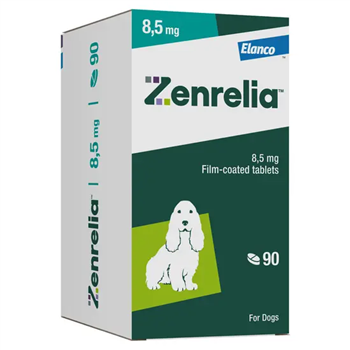
The most helpful approach to itchy skin in Dogs is usually to calm the itch, protect the skin barrier and reduce exposure to triggers where possible. Your vet may check for fleas and mites, examine the skin and ears, take samples for cytology, or discuss a dietary elimination trial if food allergy is suspected. Once parasites, infection and other causes have been considered, medicines and supportive skin care can be used to reduce inflammation and help your dog feel more settled. Prescription treatments such as Apoquel, Cytopoint, Atopica, Zenrelia, Cortavance and Numelvi are designed for veterinary-led management of allergic dermatitis or atopic dermatitis, while products such as Allermyl, Coatex and Douxo S3 Calm can support the skin and coat as part of a wider routine. These products may be used at different stages, from short-term flare control to ongoing maintenance, depending on your dog’s response.
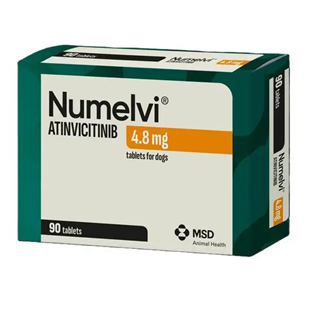
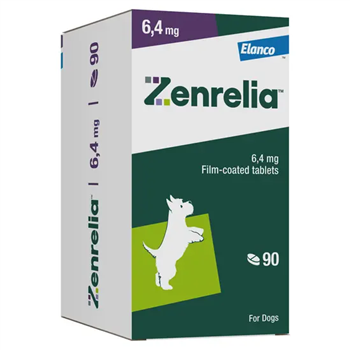
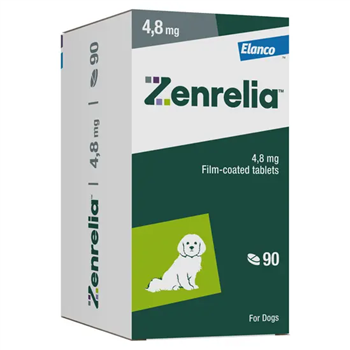
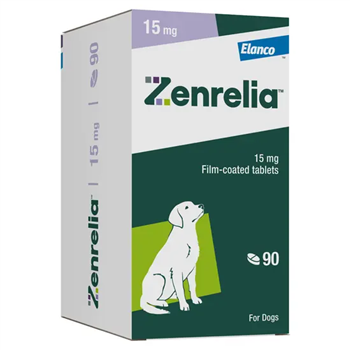
Apoquel is a well-known oral option for dogs with allergic itch and atopic dermatitis. It contains oclacitinib, a Janus kinase inhibitor, which helps reduce the cytokine signals involved in pruritus and inflammation. Zenrelia contains ilunocitinib and is another once-daily JAK inhibitor used for pruritus associated with allergic dermatitis and signs linked with atopic dermatitis. Numelvi contains atinvicitinib, a selective JAK1 inhibitor for dogs with allergic dermatitis and atopic dermatitis, including pruritus. These medicines target pathways involved in the itch-scratch cycle, which can help reduce self-trauma and give irritated skin a better chance to recover. Because immune signalling is involved, your vet will consider your dog’s age, weight, vaccination history, health status and any current infection before prescribing.
Cytopoint may be suitable for dogs that need a different type of itch control. It is an injectable monoclonal antibody, given under veterinary direction once a month, that targets an itch signal associated with allergic skin disease. Some dogs benefit from an injection-based approach, particularly when tablets are difficult to give or when ongoing seasonal itching needs planned review. Atopica is based on ciclosporin and is used for chronic manifestations of atopic dermatitis, helping to moderate the immune response that drives long-term inflammation. Cortavance is a topical spray containing hydrocortisone aceponate, a dermocorticoid used for inflammatory and pruritic skin disorders, including signs associated with atopic dermatitis. It can be helpful when your vet wants targeted support on affected skin areas rather than a whole-body treatment. Allergies in dogs may look similar from one pet to another, but the right medicine can differ depending on whether the problem is acute, chronic, localised, widespread, seasonal or complicated by infection.
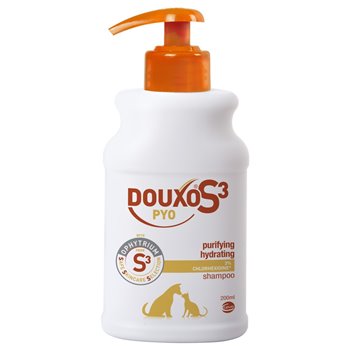
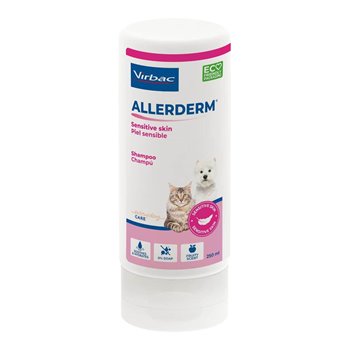
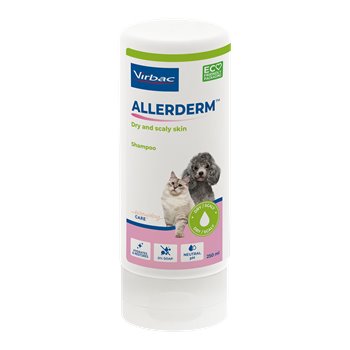
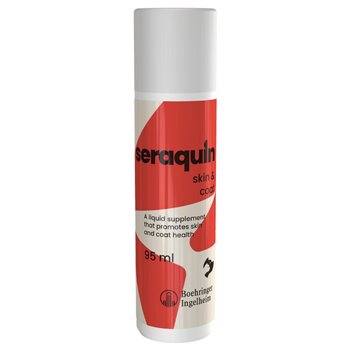
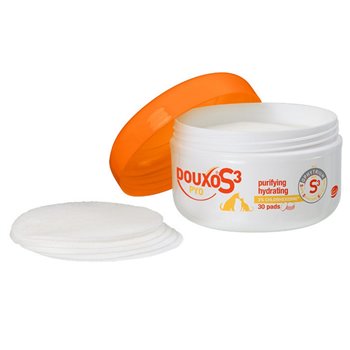
Skin care is important because allergy-prone skin often has a weakened epidermal barrier, which can make it easier for allergens and microbes to irritate the surface. Allermyl is a soothing dermatological shampoo for sensitive or allergic-type skin, helping to cleanse gently while supporting comfort and hydration. Douxo S3 Calm products are designed for itchy, irritated or sensitive skin and contain Ophytrium, an ingredient used to support the skin barrier and help soothe irritation. Coatex provides omega 3 and omega 6 essential fatty acids, which can help maintain healthy skin and coat condition as nutritional support. These products are not a replacement for a veterinary diagnosis, but they can be valuable alongside prescribed treatment, especially for dogs with dry, scaly skin, mild irritation, environmental sensitivities or recurrent flare-ups. A consistent bathing routine can also remove surface allergens after walks and support dogs that react to pollen, grass or dust. When managing itchy skin in dogs, regular bathing, leave-on care and fatty acid support can help reduce the pressure on damaged skin.
Why is my dog itching but has no fleas?
Fleas are only one possible cause of itching. Dogs can also react to pollen, grass, dust mites, food proteins, contact irritants or yeast and bacterial overgrowth. If scratching continues despite flea control, your vet may check for allergic dermatitis, atopic dermatitis, infection or other skin conditions.
What are the common signs of skin allergies in dogs?
Common signs include scratching, chewing paws, rubbing the face, red skin, hair loss, scabs, ear irritation, greasy skin, flaking and a musty smell. Some dogs also lick their belly or stain their paws with saliva. These signs can worsen during certain seasons or after contact with allergens.
What is atopic dermatitis in dogs?
Atopic dermatitis is a long-term inflammatory skin condition linked with an allergic response to environmental triggers such as pollen, dust mites or mould. It often causes pruritus, redness, ear problems and recurrent skin infections. Treatment usually involves itch control, skin barrier support and regular veterinary review.
Can dog food allergies cause itchy skin?
Yes, some dogs develop itchy skin because their immune system reacts to ingredients in food, often specific proteins. Food allergy can look similar to environmental allergy, so guessing can be misleading. Your vet may recommend a strict elimination diet trial to assess whether food is contributing.
What is the difference between Apoquel, Zenrelia and Numelvi?
Apoquel, Zenrelia and Numelvi are prescription tablet options used for allergic itch and atopic dermatitis in dogs. They are all JAK inhibitor medicines, but they contain different active ingredients. Your vet may consider response, age, health history, vaccination timing and other medicines before recommending one option over another.
Can shampoos help dogs with allergies?
Shampoos can help when they are chosen for sensitive or allergy-prone skin. Products such as Allermyl and Douxo S3 Calm can gently cleanse, soothe irritation and support the skin barrier. They do not replace prescribed medication when inflammation is significant, but they can support an overall care plan.
When should I see a vet about my dog's itchy skin?
Contact a vet if itching is persistent, your dog is damaging their skin, or you notice redness, swelling, smell, discharge, bleeding, scabs, ear pain or hair loss. Veterinary advice is also important if symptoms keep returning, as secondary infection, mites, allergy or another condition may need treatment.