


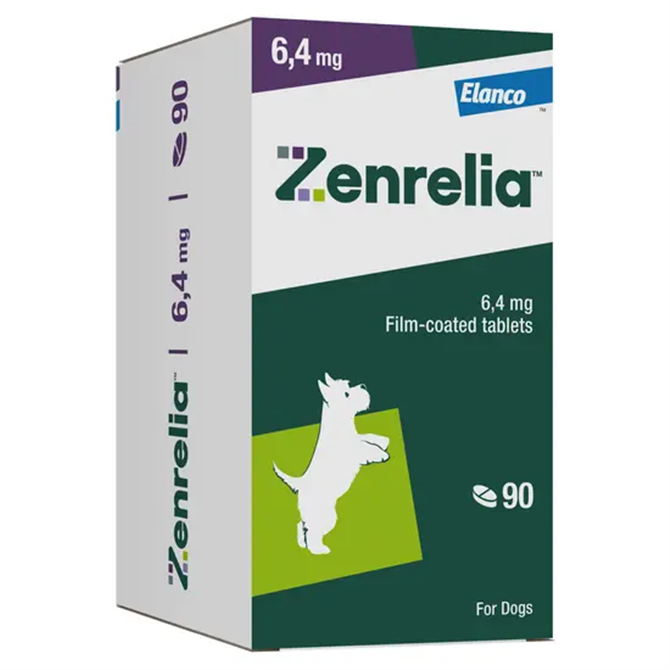
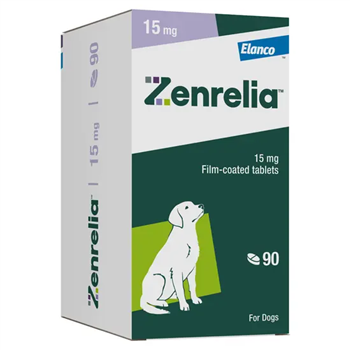
6.4mg Zenrelia for Dogs - Per Tablet
6.4mg Zenrelia Tablets are a prescription medication for dogs with pruritus associated with allergic dermatitis and for the clinical manifestations of atopic dermatitis. The active ingredient in Zenrelia Tablets is ilunocitinib. For many dogs, chronic itching can affect sleep, concentration, play, skin comfort and day-to-day behaviour, while repeated scratching, chewing and rubbing can damage the skin surface and make flare-ups harder to settle.
6.4mg Zenrelia Tablets are film-coated tablets for oral use, and they are used to help bring the itch cycle under control. When a dog is more comfortable, there is often less self-trauma, less redness, and more chance for inflamed skin to recover.
Allergic dermatitis in dogs is a broad clinical term that covers skin inflammation triggered by allergy. The cause may be environmental allergens, flea allergy dermatitis, contact reactions or food hypersensitivity. Atopic dermatitis is a more specific diagnosis. It is a chronic, inflammatory, pruritic skin disease with a recognised allergic basis, often linked with a genetically influenced skin barrier defect and sensitivity to environmental allergens such as pollens, house dust mites or moulds.
Dogs with these conditions do not always just scratch, they may lick their paws, rub their face, chew at their flanks, develop recurrent otitis externa, show erythema on the belly or armpits, or lose hair where the skin has been repeatedly irritated. Some dogs also develop excoriations, saliva staining, thickened skin, recurrent pyoderma or Malassezia overgrowth.
VETERINARY PRESCRIPTION REQUIRED
Product Features
- Pack Size: - Sold Individually
- Target Animal: - Dog (Canine)
- Related Condition: - allergic and atopic dermatitis in dogs
- Pet Prescription Required?: - Yes
- Active Ingredient: - ilunocitinib
- Product Name: - 6.4mg Zenrelia Tablet for Dogs
Additional Product Information
Description
Dogs with allergic or atopic disease release signalling proteins called cytokines, and some of these are closely involved in pruritus, inflammation and the immune response. Ilunocitinib is a Janus kinase, or JAK, inhibitor. It helps interrupt JAK-dependent signalling pathways that drive itching and inflammatory skin change. Rather than only addressing the visible scratching, 6.4mg Zenrelia Tablets act higher up in the itch pathway, helping reduce the sensation of itch and the inflammatory response that keeps the problem going. This matters because once a dog starts scratching, licking or chewing, the skin barrier becomes more compromised, the epidermis becomes more inflamed, and secondary complications can follow. By helping to reduce that cycle, 6.4mg Zenrelia Tablets can support better control of erythema, irritation and self-inflicted skin trauma.
Zenrelia for dogs is not an antibiotic, antifungal or flea product, but it can play a central role in the medical management of allergic skin disease when used as part of a broader veterinary plan. Good dermatitis care usually means looking beyond the itch itself. Zenrelia for dogs can be very helpful, but it should not replace investigation of the underlying trigger or treatment of complicating factors. A dog with ongoing pruritus may still need a strict flea control programme, assessment for food reaction, treatment for bacterial or yeast infection, or help with recurrent ear inflammation.
Many itchy dogs benefit from a multi-modal plan that combines 6.4mg Zenrelia Tablets with medicated or soothing shampoos, careful skin care, regular ear cleaning where appropriate, and parasite prevention that reduces the risk of flea-related flare-ups.
6.4mg Zenrelia Tablets are given once daily by mouth. They may be given with or without food, but should be given consistently in relation to meals. The tablets are scored, which allows equal halves to be used when the prescribed dose requires it. As with any weight-based medicine, accurate bodyweight matters, so your dog should be weighed properly before treatment starts and again if there is a significant change in size or condition. Your vet will also consider age, concurrent disease, infection risk and overall benefit-risk before prescribing 6.4mg Zenrelia Tablets. This is particularly important in very young dogs, very small dogs, or dogs with health issues that may affect immune function.
Like other prescription medicines that modulate the immune response, 6.4mg Zenrelia Tablets should be used under veterinary supervision. Your veterinary surgeon may want to monitor your dog over time, especially if treatment is ongoing or if there have been previous skin infections, ear problems or other complicating conditions. Commonly reported adverse effects can include vomiting, diarrhoea and lethargy, so any change in appetite, energy, digestion or skin appearance should be mentioned promptly. I
What are 6.4mg Zenrelia Tablets used for in dogs?
Zenrelia Tablets are prescribed to treat pruritus associated with allergic dermatitis and the clinical signs of atopic dermatitis in dogs. In practical terms, they are used to help dogs that itch, scratch, chew, lick or rub because of allergic skin disease, under the guidance of a veterinary surgeon.
How do Zenrelia Tablets work?
Zenrelia for dogs contains ilunocitinib, a Janus kinase inhibitor. It works by interrupting signalling pathways linked with itch and inflammation, helping reduce the allergic itch cycle. By calming those pathways, it can lessen scratching, licking and chewing, which may also give damaged skin more opportunity to recover.
Is Zenrelia a steroid for dogs?
No. Zenrelia for dogs is not a corticosteroid. Its active ingredient, ilunocitinib, is a JAK inhibitor that targets signalling involved in allergic itch and inflammation. That makes it a different type of treatment from prednisolone or other steroids, although your vet will still weigh up suitability carefully for each individual dog.
Can dogs stay on Zenrelia long term?
Some dogs may use Zenrelia as part of longer-term dermatitis management, but the decision should always be based on veterinary review. Long-term use depends on your dog’s diagnosis, response, general health and any complicating factors such as infections, parasite problems or other medical conditions that may need attention alongside treatment.
Does Zenrelia cure dog allergies?
Zenrelia does not cure the underlying allergy. Instead, it helps control the itch and inflammatory signs caused by allergic or atopic dermatitis. Many dogs still need broader management, such as flea prevention, skin care, ear care, infection treatment or diet investigation, depending on the cause of the flare-ups.
What our customers say about us.
Always dispensed very quickly according to any instructions I may have sent .Very reliable company .
Joni
Source: Trustpilot Review
Excellent service prompt and hassle free
ITSFBIIEC
Source: Trustpilot Review
It's so easy to order my cat's medication. He has diabetes, so he needs to have it regularly and with Vets Dispense I don't have to worry as it is always on time.
Alison
Source: Trustpilot Review
You may also like
- Tracked 24 Delivery Follow your parcel online
- VMD & RCVS Registered VetDispense is a registered UK Dispensary
- Secure Payment Pay securely online by card or PayPal
- Independent Since 2008 A Trusted UK Dispensary