


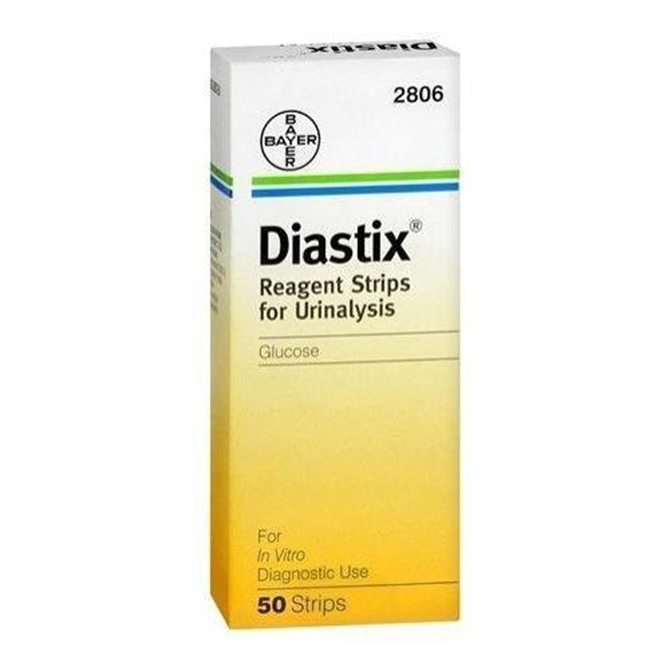
Keto-Diastix for Cats – Urine Ketone & Glucose Testing Strips - 50
Keto-Diastix are urine test strips designed to measure ketones and glucose levels. These strips provide a quick and reliable way to monitor ketone production and glucose levels, making them essential for managing conditions such as diabetes mellitus.
Ketones are produced when the body burns fat for energy instead of glucose. High levels of ketones can indicate a serious condition called diabetic ketoacidosis (DKA), which requires immediate veterinary attention. Monitoring ketone levels is particularly important for cats undergoing treatment with Senvelgo, a medication used to regulate blood glucose in diabetic cats.
Keto-Diastix is a simple and effective tool to help cat owners and Vets track changes in urine composition. The test strips are designed for easy home use, providing results within seconds. By regularly testing a diabetic cat’s urine, owners can detect early signs of ketone buildup and take the necessary steps to prevent complications.
Additional Product Information
Description
How Keto-Diastix Works
Keto-Diastix contains a test strip with reactive areas that change colour when exposed to urine. The strip is dipped into a fresh urine sample and then compared against a colour chart to determine ketone and glucose levels. This process allows for quick detection of abnormalities, helping to guide adjustments in treatment and diet.
Each strip has two test pads:
- Ketone Test Pad – Detects the presence of ketones in urine.
- Glucose Test Pad – Measures glucose levels in urine.
The colour change on the ketone pad indicates the concentration of ketones, ranging from negative (no ketones detected) to high levels, which may require veterinary intervention. The glucose pad shows whether glucose is being excreted in the urine, which can help in evaluating the effectiveness of diabetes management.
Using Keto-Diastix for Cats on Senvelgo Treatment
Senvelgo is prescribed for diabetic cats to help control blood glucose levels. When a cat is treated with Senvelgo, monitoring for ketones is essential to ensure the treatment is working effectively and to prevent potential complications.
Keto-Diastix can be used to check for ketones in a cat’s urine while on Senvelgo therapy. Regular urine testing allows for early detection of ketone buildup, which could indicate inadequate glucose regulation. If a cat develops ketones while being treated with Senvelgo, it may suggest the need for an adjustment in medication, diet, or veterinary care.
A cat receiving Senvelgo should have urine tested at home as recommended by a veterinarian. The frequency of testing depends on the cat’s individual condition and response to treatment. If ketones are detected, veterinary advice should be sought immediately, as this may indicate a developing health issue.
Signs That a Cat May Need Ketone Testing
Ketone testing is recommended for diabetic cats, particularly those on Senvelgo. Owners should consider testing when the cat exhibits any of the following symptoms:
- Increased thirst or excessive drinking
- Frequent urination
- Loss of appetite
- Lethargy or weakness
- Vomiting
- Rapid breathing
- Weight loss despite a normal or increased appetite
These signs could indicate poorly controlled diabetes or the onset of diabetic ketoacidosis. Immediate testing with Keto-Diastix can provide valuable information for managing the cat’s health.
How to Collect a Urine Sample from a Cat
Collecting a urine sample from a cat can be done using a few different methods:
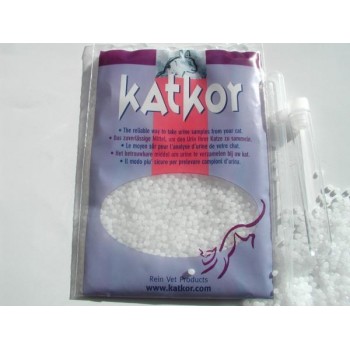
- Non-Absorbent Litter – Special non-absorbent litter, such as Katkor, can be used in the litter tray to allow for urine collection. A pipette or syringe can then be used to transfer urine to a clean container.
- Lining the Litter Tray – Placing plastic wrap or a clean tray at the bottom of the litter tray can help collect a sample when the cat urinates.
Once a fresh urine sample is obtained, the Keto-Diastix strip should be dipped into the urine for the time specified in the instructions. The results should then be compared to the colour chart within the designated timeframe.
Interpreting the Test Results
The colour chart on the Keto-Diastix packaging provides a reference for ketone and glucose levels.
- Negative or Trace Ketones – Normal result, but continued monitoring is recommended.
- Moderate to High Ketones – May indicate the early stages of ketoacidosis and requires veterinary attention.
- Glucose Presence – Persistent glucose in urine may suggest poor diabetes control and should be discussed with a veterinarian.
If ketones are detected while a cat is being treated with Senvelgo, immediate veterinary consultation is advised. The veterinarian may adjust the medication, recommend dietary changes, or conduct further tests to determine the underlying cause.
Storage and Handling
Keto-Diastix test strips should be stored properly to ensure accuracy:
- Keep the container tightly closed to prevent exposure to moisture and air.
- Store in a cool, dry place away from direct sunlight.
- Do not use test strips past the expiration date.
- Handle strips with dry hands to avoid contamination.
Why Keto-Diastix is Essential for Diabetic Cats
Keto-Diastix provides a simple and effective way to monitor ketone and glucose levels in diabetic cats. This is particularly important for cats receiving Senvelgo, as regular urine testing can help detect potential complications early. The ability to test at home gives cat owners greater control over their pet’s health and allows for proactive management of diabetes.
By integrating Keto-Diastix into a diabetic cat’s care routine, owners can take an active role in monitoring their pet’s condition. Early detection of ketones can prevent severe complications, making regular testing a crucial aspect of diabetes management.
You may also like

What our customers say about us.
Excellent service delivered next day.
David
Source: Trustpilot Review
Good all round. Great service, good prices
Tim
Source: Trustpilot Review
Ordering and payment were smoothly carried out, dispatch was timed to coincide with the delivery service to ensure the drugs reached me in a chilled state within the stated delivery time.
JB
Source: Trustpilot Review
- Tracked 24 Delivery Follow your parcel online
- VMD & RCVS Registered VetDispense is a registered UK Dispensary
- Secure Payment Pay securely online by card or PayPal
- Independent Since 2008 A Trusted UK Dispensary