


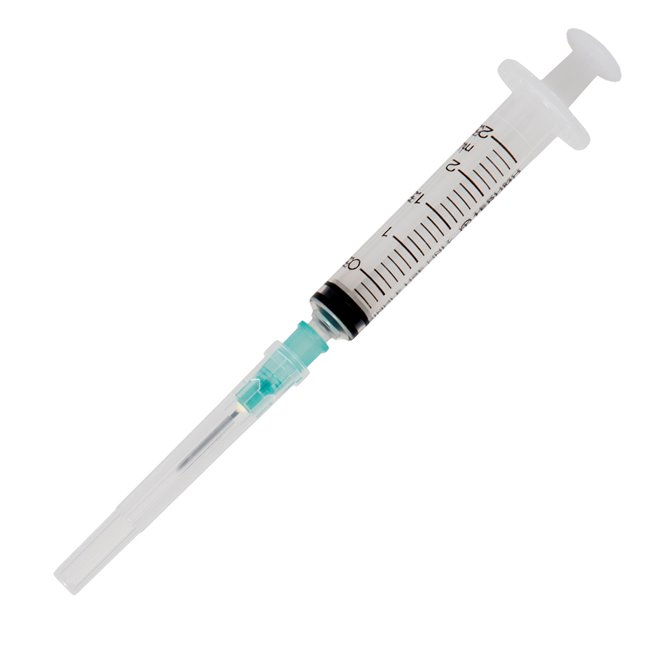
BD Discardit 2ml Syringe with 21g Needle - each
This 2ml syringe with an attached 21-gauge (21g) needle is suitable for administering specific medications to cats and dogs that require subcutaneous injections. Each syringe is individually packaged, sterile, and designed for single use only. This product is commonly used in veterinary practices and at home under veterinary guidance.
The syringe has a 2ml capacity and is fitted with a 21g needle. This needle size is considered suitable for administering certain subcutaneous or intramuscular injections in cats and dogs, depending on the medication and the animal’s size and condition. The 21g needle offers a balance between needle strength and minimal discomfort during injection, making it appropriate for routine use with specific veterinary biologics.
This type of syringe is appropriate for administering Solensia, Librela, and Cytopoint, which are injectable monoclonal antibody therapies used to manage chronic pain and allergic dermatitis in pets. These medications are typically prescribed for monthly administration and are given via subcutaneous injection. The 21g needle provides a suitable gauge for delivering the full dose efficiently while maintaining comfort for the animal.
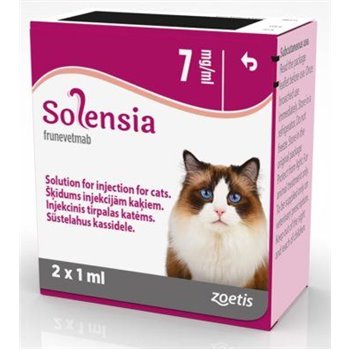
Solensia is prescribed for the management of osteoarthritis pain in cats. It is given once a month via subcutaneous injection. The 2ml syringe allows for accurate dosing, and the 21g needle is appropriate for the viscosity of the Solensia solution and for delivering it under the skin in a cat with minimal stress and tissue trauma.
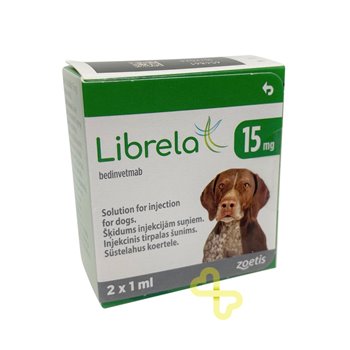
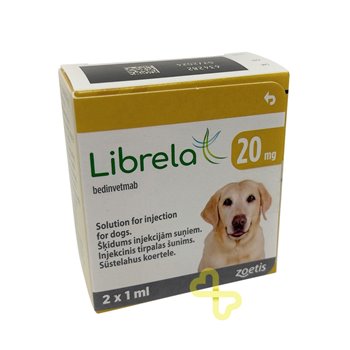
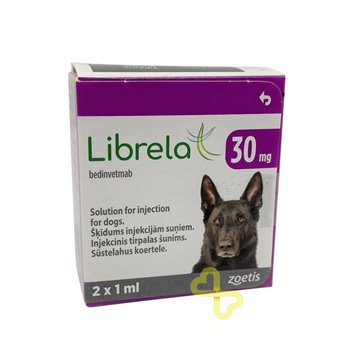
Librela is used in dogs to treat pain associated with osteoarthritis. Like Solensia, it is administered subcutaneously once a month. The 21g needle is appropriate for most dog breeds and sizes, as it enables smooth delivery of the medication while being strong enough to penetrate the skin effectively without bending or breaking.
Cytopoint is another monoclonal antibody therapy, used to manage allergic dermatitis in dogs. It is also given as a monthly subcutaneous injection. The 2ml capacity of the syringe provides ample volume to accommodate the required dose, and the 21g needle is compatible with the formulation’s consistency and administration method.
This syringe and needle combination should not be used for insulin administration in cats or dogs. Veterinary insulin products such as Caninsulin and Prozinc require specific insulin syringes that are calibrated differently from standard 2ml syringes. Insulin syringes are typically marked in units, not millilitres, and have finer, shorter needles such as 29g or 30g, which are designed to deliver precise insulin doses in small volumes. Using a standard 2ml syringe for insulin injections can lead to inaccurate dosing and can be dangerous to the animal.
Additional Product Information
Description
Caninsulin and Prozinc are insulins specifically formulated for veterinary use and have unique concentration requirements—Caninsulin, for example, is 40 IU/ml, which is incompatible with syringes calibrated for human insulin (100 IU/ml). Insulin syringes are essential for these medications to ensure proper dosing and to reduce the risk of hypoglycaemia or underdosing. The 21g needle on this syringe is also too large and inappropriate for the fine control needed with insulin injections.
The 2ml syringe with 21g needle is equipped with clear volume markings along the barrel, which helps ensure accurate dose measurement. The plunger moves smoothly within the barrel, allowing for controlled and consistent administration of medication. The syringe and needle are securely attached, reducing the risk of detachment during use.
The syringe is made from medical-grade materials that comply with health and safety standards for veterinary injections. It is intended for single-use to prevent contamination and cross-infection. After use, syringes should be disposed of safely in an appropriate sharps container, in accordance with local veterinary or environmental guidelines.
These syringes are commonly used in both professional veterinary settings and for home administration by pet owners, following instruction from a veterinary surgeon. Handling instructions and injection techniques should always be followed as advised by the prescribing professional. Administering injectable medications without proper training or guidance is not recommended.
You may also like
What our customers say about us.
Simple to use and prompt delivery. Thank you.
Yvonne
Source: Trustpilot Review
Definitely recommend great service very reasonable and fast delivery.
Jordan
Source: Trustpilot Review
Ease of access. Speed of delivery. Excellent. Good price too.
Susan
Source: Trustpilot Review
- Tracked 24 Delivery Follow your parcel online
- VMD & RCVS Registered VetDispense is a registered UK Dispensary
- Secure Payment Pay securely online by card or PayPal
- Independent Since 2008 A Trusted UK Dispensary