


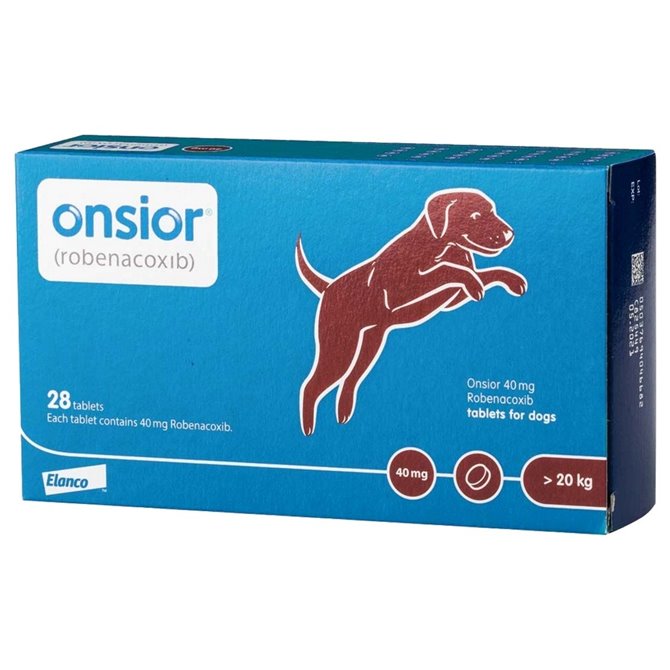
Onsior 40mg Tablet for Dogs - per Tablet
Onsior 40mg Tablet for Dogs contains robenacoxib, a veterinary non-steroidal anti-inflammatory drug, or NSAID, from the coxib class. Onsior 40mg is prescribed to manage pain and inflammation in dogs when those symptoms are linked to chronic osteoarthritis or soft tissue surgery. This makes it a useful option for dogs that are slowing down because of painful joints, stiffness after rest, or soreness after an operation. Inflammation is one of the main reasons pain persists, so treatment is not simply about masking discomfort.
By reducing inflammatory activity as well as pain, Onsior 40mg can help a dog feel more comfortable during everyday movement, rest, and recovery. Many owners notice the need for this kind of support when their dog hesitates on stairs, struggles to rise from lying down, becomes reluctant to jump into the car, or seems less willing to walk, play, or be handled around a painful area. Because pain can show itself in quiet and subtle ways, a reliable anti-inflammatory medicine can make an important difference to overall wellbeing. It can also help owners and vets assess a dog more clearly, because improved comfort often reveals how much inflammation was limiting normal movement and behaviour.
VET PRESCRIPTION REQUIRED
Product Features
- Pack Size: - Sold Individually
- Target Animal: - Dog (Canine)
- Pet Prescription Required?: - Yes
- Active Ingredient: - Robenacoxib
- Product Name: - Onsior 40mg Tablet for Dogs - per Tablet
Additional Product Information
Description
Onsior 40mg works by selectively blocking cyclooxygenase-2, usually shortened to COX-2. This enzyme is involved in the production of prostaglandins, which are chemical mediators that drive pain, inflammation, and swelling. By targeting COX-2, Onsior 40mg lowers the level of these inflammatory signals and helps reduce the discomfort that comes with them. Robenacoxib is described as COX-2 selective, which means it is designed to spare more of the COX-1 activity that has useful protective roles in the stomach and other tissues. That selectivity is one reason Onsior is widely recognised in veterinary medicine as a targeted option for canine pain control. Clinically, the result is both anti-inflammatory and analgesic action. Robenacoxib is absorbed quickly, and although it clears from the bloodstream fairly rapidly, it persists for longer at sites of inflammation, where it is needed most. This helps explain why Onsior can provide meaningful relief while still fitting into a once-daily treatment plan when used for osteoarthritis under veterinary direction.
Onsior 40mg is most often used in two main situations. The first is chronic osteoarthritis, a degenerative joint disease that causes ongoing pain, reduced mobility, stiffness, and inflammation. Dogs with osteoarthritis may limp, become stiff after sleeping, tire more quickly on walks, avoid slippery floors, or seem irritable when touched around the hips, elbows, knees, or back. The second is the treatment of pain and inflammation associated with soft tissue surgery, where good postoperative control can support comfort and calmer recovery. Onsior 40mg is intended to improve comfort in a clinically meaningful way rather than simply sedate a dog or make them less active. When joint pain is better controlled, many dogs move more freely, rest more comfortably, and engage more normally with family life. When surgery pain is handled properly, dogs are often more settled, more willing to eat, and better able to recover without the strain that unmanaged discomfort can cause.
The exact dose, frequency, and duration depend on the reason it has been prescribed and your vet’s assessment of your dog’s size, clinical signs, and general health. For osteoarthritis, treatment is commonly given once daily, while around soft tissue surgery your vet may advise dosing before the procedure and for a short period afterwards. Onsior 40mg is generally given without food, or separated from meals, because efficacy for osteoarthritis is better this way. The tablets are flavoured, which helps many dogs accept them readily. Even so, owners should give Onsior 40mg exactly as prescribed and avoid changing the dose themselves. It is also important not to combine this medicine with another NSAID or a corticosteroid unless your vet has specifically instructed you to do so, because combining anti-inflammatory medicines can increase the risk of adverse effects.
Like all NSAIDs, Onsior 40mg is not suitable for every dog, and sensible monitoring matters. Dogs with a history of gastrointestinal ulceration, liver disease, dehydration, low blood pressure, or impaired kidney or heart function may need extra caution, closer monitoring, or a different treatment plan altogether. The safety of Onsior 40mg has not been established in dogs under three months of age or weighing less than 2.5 kg, and it should not be used in pregnant or lactating animals. The side effects seen most often are digestive, such as vomiting, diarrhoea, loose stools, or reduced appetite, and many cases are mild. Less commonly, blood may appear in the faeces or liver enzymes may increase, especially during longer courses. Owners should speak to their vet promptly if a dog on Onsior 40mg develops vomiting, persistent diarrhoea, marked tiredness, reduced appetite, black or bloody stools, or seems generally unwell. For longer-term osteoarthritis treatment, regular veterinary review and, where appropriate, blood monitoring can help keep therapy both effective and safe.
For many dogs, better pain control means smoother movement, improved sleep, easier toileting, better willingness to exercise, and a more relaxed mood at home. A clinical response to Onsior 40mg is often seen within a week in dogs with osteoarthritis, although the pace of improvement varies from dog to dog. If there is no clear improvement after around ten days, the treatment plan usually needs veterinary review. Where Onsior 40mg is helping, especially in chronic osteoarthritis, vets may decide to continue treatment and adjust the plan to the lowest effective individual dose, because the level of pain and inflammation can change over time. That is why follow-up appointments matter, particularly for dogs with other medical conditions or dogs taking medicines that may affect kidney blood flow. In daily life, the most useful signs of progress are often practical ones, such as easier rising, steadier walking, more confidence on stairs, calmer resting, and less guarding around painful joints or a healing surgical area.
What is Onsior 40mg used for in dogs?
Onsior is used to treat pain and inflammation in dogs. Vets commonly prescribe it for chronic osteoarthritis and for pain linked to soft tissue surgery. The active ingredient, robenacoxib, helps reduce inflammatory mediators so dogs can move more comfortably and recover with less discomfort.
How does Onsior work?
Onsior 40mg contains robenacoxib, a COX-2 selective NSAID. It works by reducing prostaglandins, the chemicals that drive inflammation, swelling, and pain. Because it targets COX-2 more selectively, it is designed to give anti-inflammatory and analgesic support while sparing more of the protective COX-1 activity.
How quickly can Onsior 40mg start helping a dog?
Robenacoxib is absorbed quickly, so some dogs seem more comfortable quite soon after dosing. In dogs with osteoarthritis, a clear clinical response is often seen within a week. The exact timing varies with the condition being treated, the dog’s health, and how advanced the pain or inflammation is.
Can Onsior be given with food?
Onsior 40mg is usually given without food, or at least 30 minutes before or after a meal, because it works better this way in dogs with osteoarthritis. Always follow the dosing instructions given by your vet, especially if the tablets are being used around the time of surgery.
What are the possible side effects of Onsior 40mg in dogs?
The most common side effects with Onsior are digestive upset, such as vomiting, diarrhoea, loose stools, or reduced appetite. Less commonly, dogs may show blood in the faeces or raised liver enzymes. Contact your vet promptly if side effects are persistent, severe, or your dog seems unusually dull.
Brand

You may also like
What our customers say about us.
Great prices on most products. Good availability of products and fast delivery. Highly recommend this company for all prescription medicines.
Alastair
Source: Trustpilot Review
Ordering prescription meds for my dog was quick and easy, quick delivery is always welcome. Fantastic customer service.
M Wilson
Source: Trustpilot Review
Always dispensed very quickly according to any instructions I may have sent .Very reliable company .
Joni
Source: Trustpilot Review
- Tracked 24 Delivery Follow your parcel online
- VMD & RCVS Registered VetDispense is a registered UK Dispensary
- Secure Payment Pay securely online by card or PayPal
- Independent Since 2008 A Trusted UK Dispensary