


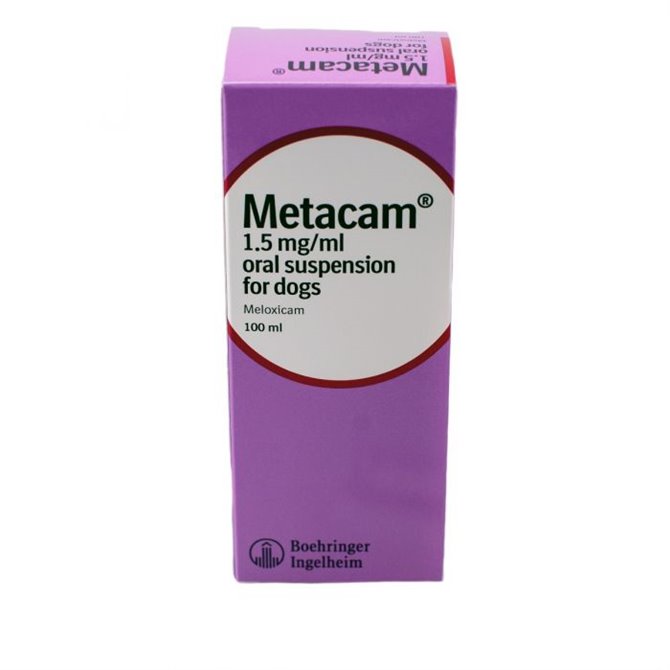
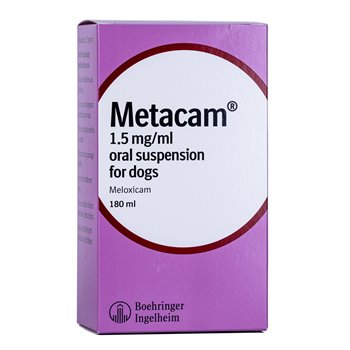
100ml Metacam Oral Suspension for Dogs
100ml Metacam Oral Suspension for Dogs provides relief from pain and inflammation associated with acute and chronic musculoskeletal conditions, including osteoarthritis. Metacam contains meloxicam 1.5mg/ml, a non-steroidal anti-inflammatory medicine that can help make movement more comfortable.
Metacam can be given directly by mouth or mixed with food, using the prescribed amount and appropriate dosing equipment. Shake well before use and follow your vet’s instructions, particularly when starting treatment or changing from another medicine. This is the dog formulation and must not be given to cats. A valid veterinary prescription is required for this 100ml bottle.
Product Features
- Pack Size: - 100ml
- Target Animal: - Dog (Canine)
- Pet Prescription Required?: - Yes
- Active Ingredient: - Meloxicam
- Product Name: - 100ml Metacam Oral Suspension for Dogs
Additional Product Information
Description
Metacam for Dogs is a prescription anti-inflammatory medicine used to alleviate pain and inflammation associated with acute and chronic musculoskeletal disorders. This 100ml oral suspension contains meloxicam at a concentration of 1.5mg/ml and is formulated specifically for dogs. A vet may prescribe it for a condition such as osteoarthritis, where inflammation and discomfort can make normal movement difficult. Metacam for Dogs is measured using the dosing equipment and given by mouth, either directly or mixed with food. The amount depends on your dog’s bodyweight and the prescribed treatment stage, so accurate measurement is essential. Your vet will assess whether meloxicam is suitable, taking account of health problems and other medicines.
Musculoskeletal pain involves structures such as joints, muscles and surrounding tissues. It may follow a recent problem or persist as part of a chronic condition. Dogs do not always cry out when they are uncomfortable. Slower rising, stiffness after rest, reluctance to jump, shorter walks or a change in how weight is carried can be more noticeable than obvious vocalisation. Before prescribing Metacam for Dogs, the vet examines the animal and considers which structures may be affected. Reduced activity should not simply be attributed to ageing, particularly if a previously comfortable movement has become difficult. Metacam for Dogs can reduce pain and inflammation, but it does not establish the diagnosis or repair damaged cartilage. Your vet may also recommend changes to exercise, weight management or other treatment. Describe the movements your dog avoids and any recent injury, because these details help the practice assess both the initial problem and the response to treatment. For a dog with an established joint problem, observations at home can help the vet judge whether everyday tasks are becoming easier. Note whether your dog rises more readily, settles comfortably or completes the agreed walk without slowing. Avoid encouraging extra jumping or a much longer walk simply because movement looks better after treatment. Pain relief and the appropriate level of exercise should be considered together. If someone else walks or feeds your dog, share the current instructions so that both activity and medication remain consistent with the plan agreed by the practice.
Meloxicam belongs to a group of medicines called non-steroidal anti-inflammatory drugs, or NSAIDs. It inhibits the production of prostaglandins, substances involved in inflammation and pain. By reducing that inflammatory response, Metacam for Dogs can help make movement more comfortable when the medicine is appropriate for the diagnosed condition. A clinical response is normally seen within three to four days, although the degree of improvement varies. If no improvement is apparent, contact the vet; the product information states that treatment should be discontinued after ten days at the latest when there is no clinical benefit. Metacam for Dogs should not be increased because a dog remains stiff or seems unusually sore after activity. The vet may need to reassess the diagnosis, activity level or treatment plan. For longer-term use, the prescribed dose may be adjusted to the lowest effective amount once a response has been established, but any adjustment must come from the vet.
Shake Metacam for Dogs well before every use so that the suspension is evenly mixed. Use the supplied measuring syringe as instructed and check your dog’s current weight rather than relying on an old estimate. The syringe’s bodyweight markings correspond to the standard maintenance dose; the first day of treatment may use a different amount. If an injection has already been given, follow the practice’s specific directions about when and how to start the oral medicine. Do not independently add an initial larger dose. Metacam for Dogs may be placed directly into the mouth or mixed with food. When using food, choose an amount your dog will finish so that the prescribed dose is not left in the bowl. Keep the bottle and dosing equipment clean and avoid contaminating the contents. If a dose is missed, spilled or vomited, ask the practice what to do rather than repeating an uncertain amount or doubling the next dose.
Metacam for Dogs must not be given together with another NSAID or a corticosteroid.Switching between anti-inflammatory drugs requires a vet-directed treatment-free interval that depends on the previous medicine. Metacam for Dogs is unsuitable for dogs with certain stomach or intestinal disorders, impaired kidney, liver or heart function, or bleeding disorders. It must not be used in puppies younger than six weeks or during pregnancy or lactation. Dehydration increases the risk of kidney injury, so seek advice if your dog becomes unwell, stops drinking or loses fluid through vomiting or diarrhoea. Stop treatment and contact the vet if appetite loss, lethargy, vomiting, diarrhoea or blood in the faeces occurs. These adverse effects can occasionally be serious. Black stools, vomiting blood, collapse or marked deterioration require urgent veterinary attention.
Dogs receiving Metacam for Dogs over a longer period need reviews at the intervals recommended by their vet. The practice may assess weight, mobility and blood results to check whether treatment remains suitable. Mention subtle changes, including reduced appetite or a new reluctance to exercise, rather than waiting until the next prescription is due. Metacam for Dogs at 1.5mg/ml must not be used in cats; the canine suspension is not interchangeable with the separate feline product. Keep the 100ml bottle securely closed and out of reach of children and animals, and record the date it is first opened. The suspension has a six-month shelf life after opening, subject to the printed expiry date, and does not require special storage conditions. Follow the leaflet if accidental contact occurs and seek medical advice immediately if a person swallows the medicine. Return unwanted medicine through an appropriate take-back service rather than pouring it down a sink.
What is Metacam 100ml for dogs used for?
Metacam oral suspension alleviates pain and inflammation associated with acute and chronic musculoskeletal disorders in dogs. It contains meloxicam, an NSAID. The 100ml size is the bottle volume, while your dog’s prescribed dose depends on bodyweight, treatment stage and the vet’s assessment of suitability.
How quickly does Metacam work in dogs?
A clinical response is normally seen within three to four days. Contact your vet if improvement is absent or your dog becomes worse. Treatment should be discontinued after ten days at the latest if there is no clinical benefit; do not increase the dose to compensate.
Can I put Metacam in my dog’s food?
Yes. Metacam oral suspension can be mixed with food or given directly into the mouth. Shake the bottle well first and measure the prescribed amount accurately. If mixing with food, use a portion your dog will finish so that medicine is not left behind in the bowl.
Can I use the dog Metacam bottle for my cat?
No. Metacam 1.5mg/ml oral suspension for dogs must not be used in cats. The feline product is a separate formulation at a different concentration. Check the species and strength on the packaging, and never transfer dosing instructions or syringes between products intended for different animals.
What side effects should I watch for with Metacam?
Stop treatment and contact your vet if your dog develops appetite loss, lethargy, vomiting, diarrhoea or blood in the faeces. NSAID adverse effects can occasionally be serious. Vomiting blood, black stools, collapse or marked deterioration requires urgent attention rather than waiting for the next scheduled appointment.
Brand

What our customers say about us.
They are efficient and their procedures are easy. They are also fast and delivery is quick. Everything you need when your dog needs medication.
Nick
Source: Trustpilot Review
Ease of access. Speed of delivery. Excellent. Good price too.
Susan
Source: Trustpilot Review
Very easy and efficient way of ordering prescription meds for my dog. Much cheaper than buying from the vets.
Ian
Source: Trustpilot Review
You may also like
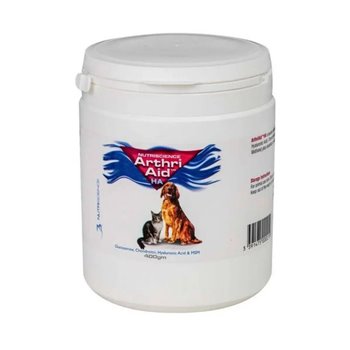
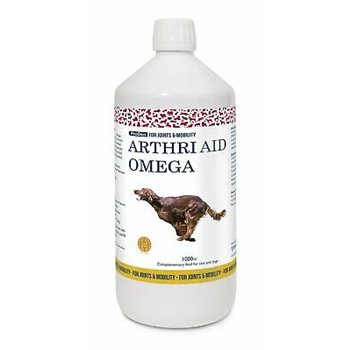
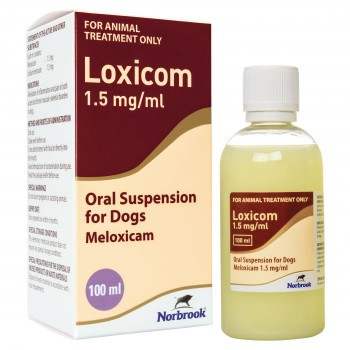

- Tracked 24 Delivery Follow your parcel online
- VMD & RCVS Registered VetDispense is a registered UK Dispensary
- Secure Payment Pay securely online by card or PayPal
- Independent Since 2008 A Trusted UK Dispensary