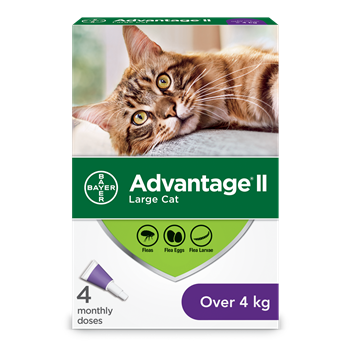
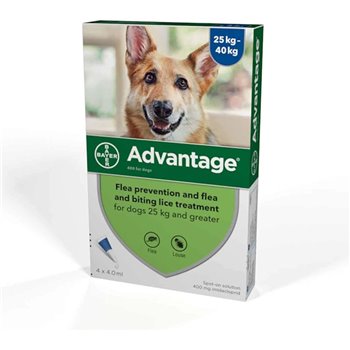
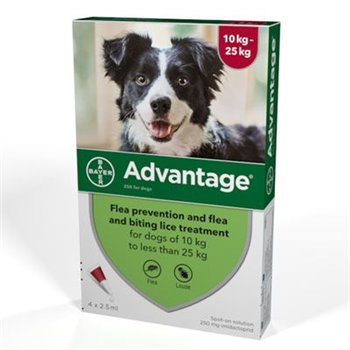
Fleas are small, blood-feeding ectoparasites that can affect dogs, cats and rabbits, as well as the home they share with you. Although fleas are common, they should not be treated as a minor nuisance. Their bites can cause persistent itching, inflammation and distress, while repeated exposure may trigger flea allergy dermatitis in sensitive pets. A single adult female can lay many eggs, so a few fleas can become an established infestation surprisingly quickly. Prompt, appropriate flea treatment helps relieve discomfort and reduces the chance of the problem spreading through bedding, carpets and soft furnishings. This category includes options for treating fleas directly on pets and products designed for environmental control. The right choice depends on your pet’s species, age, body weight, health and lifestyle, so always check the product details carefully. Flea treatments are not automatically interchangeable between dogs, cats and rabbits, even when the packaging or method of application appears similar.
The flea life cycle includes eggs, larvae, pupae and adult fleas. Adult fleas live and feed on the animal, but eggs usually fall into the surrounding environment, where larvae develop in sheltered areas such as carpet fibres, floorboard gaps, pet bedding and beneath furniture. Pupae are protected within cocoons and may remain dormant until vibration, warmth or carbon dioxide signals that a host is nearby. This is why fleas may appear again after the visible adults have been killed, and it does not always mean that the pet treatment has failed. Successful control often requires treatment of every suitable pet in the household at the same time, together with thorough vacuuming, hot washing of washable bedding and an appropriate household flea spray. Fleas can continue emerging for several weeks during a heavy infestation, so regular treatment at the interval stated on the label is important. Empty the vacuum cleaner promptly after use and pay particular attention to places where pets rest, sleep or spend long periods.
Common signs of fleas include pruritus, frequent scratching, nibbling or over-grooming, especially around the lower back, tail base, abdomen and inner thighs. You may see adult fleas moving through the coat or find black specks known as flea dirt; when placed on damp white tissue, flea dirt can produce a reddish-brown stain because it contains digested blood. Some pets develop erythema, papules, crusting, alopecia or excoriations from repeated scratching. Animals with flea allergy dermatitis can react strongly to only a small number of bites and may have intense itching even when fleas are difficult to locate. Heavy infestations may contribute to anaemia, particularly in kittens, puppies or debilitated animals, and fleas can transmit the tapeworm Dipylidium caninum when an infected flea is swallowed during grooming. Remember that grooming can remove visible evidence, particularly in cats, so the absence of live fleas does not rule out infestation. Checking several body areas and looking for flea dirt can provide a clearer picture of ongoing exposure. Veterinary advice is appropriate if your pet has pale gums, weakness, extensive skin damage, signs of infection, persistent itching or symptoms that do not improve after correctly used flea control.
Different flea treatments work in different ways. Spot-on products are applied directly to the skin, usually at the back of the neck or along the back according to the instructions, while oral tablets are swallowed and can be useful when rapid killing of adult fleas is needed. Active ingredients such as fipronil, imidacloprid and nitenpyram have different durations, target species and parasite claims, so compare more than the method of administration. Some flea treatments also cover ticks or biting lice, whereas others focus only on fleas. Household sprays act on adult fleas and developing stages in the environment, helping to interrupt the life cycle when used alongside treatment of the pet. Select the exact strength or pipette size for your animal’s current body weight, and observe minimum age restrictions. A product intended for a small dog may not provide an adequate dose for a larger dog, while excessive dosing can increase the risk of adverse effects. For rabbits, use only a treatment specifically authorised or recommended for rabbits.
Safe use is essential because flea products are pharmacologically active. Never apply a dog-only treatment to a cat unless the label clearly states that it is suitable for cats; some canine products contain permethrin, which can cause severe neurological toxicosis in cats. Keep treated pets apart until topical application sites are dry so they cannot groom each other, and apply spot-ons to intact skin where the animal cannot lick. Wash your hands after use and avoid contact with eyes, mouths and damaged skin. Follow instructions about bathing, swimming and reapplication, as using a product more frequently than directed does not necessarily improve control. When using a household flea spray, remove people and pets from the area, cover or move aquariums, treat the recommended surfaces, ventilate the room and allow it to dry fully before re-entry. Do not spray household products directly onto an animal unless the label specifically permits it, and store all flea treatments securely away from children, food and animal feed.
Year-round flea prevention may be appropriate because centrally heated homes can allow fleas to remain active outside the traditional warmer months. Check your pet’s coat regularly with a fine flea comb, especially after contact with other animals, boarding, travel or visits to homes where pets live. Record treatment dates so that doses are not missed or accidentally repeated, and weigh growing puppies, kittens and young rabbits often enough to ensure the selected strength remains suitable. If fleas persist, review whether every pet has been treated, whether the dose reached the skin rather than remaining on the coat, whether the interval was correct and whether the home has also been addressed. Persistent dermatological signs may have another cause, including mites, bacterial or yeast infection, atopic dermatitis or food hypersensitivity, and a veterinary examination can help distinguish these conditions. A vet should also advise on flea control for pregnant, nursing, elderly or medically unwell pets, or animals receiving other medicines.
How can I tell whether my pet has fleas?
Look for frequent scratching, nibbling, over-grooming, small red bumps, hair loss and black specks in the coat. Flea dirt turns reddish-brown on damp white tissue because it contains digested blood. A flea comb can help, although cats may groom away visible fleas before you notice them.
What is the quickest way to get rid of fleas on a dog or cat?
A fast-acting oral flea treatment may begin killing adult fleas within a short period, while suitable spot-on products provide ongoing control. The pet, every other susceptible animal and the home usually need attention together. Always select a product authorised for the correct species, age and body weight.
Can an indoor cat still get fleas?
Yes. Fleas can enter on people’s clothing, visiting animals, second-hand furnishings or other pets that go outdoors. Eggs and pupae may also remain hidden in carpets or floorboard gaps. Regular coat checks and an appropriate preventive routine can therefore be useful even for cats that never leave the home.
Why am I still seeing fleas after treating my pet?
New adult fleas may continue emerging from pupal cocoons in the home for several weeks. This does not necessarily mean the treatment has failed. Treat all suitable pets, vacuum thoroughly, wash bedding and use an authorised household product where appropriate, while maintaining the pet treatment interval stated on the label.
How often should I treat my pet for fleas?
The correct interval depends on the active ingredient, formulation, species and product licence. Some flea treatments are applied monthly, while others have a different duration. Follow the specific label rather than using a general timetable, and record each dose to reduce the risk of missed or repeated treatment.
Do I need to treat my home as well as my pet?
Often, yes, particularly when fleas or flea dirt are already present. Eggs, larvae and pupae develop mainly away from the animal in bedding, carpets and sheltered gaps. Vacuuming, hot-washing washable bedding and using a suitable household flea spray can help interrupt the environmental stages of the flea life cycle.
Can pet fleas bite people?
Fleas can bite people, often around the ankles or lower legs, causing small itchy papules. They generally prefer animal hosts and do not usually live permanently on humans. Treating affected pets and controlling the household infestation are more effective than focusing only on bites experienced by people.
Can fleas give my pet worms?
Fleas can transmit the tapeworm Dipylidium caninum. A dog or cat becomes infected by swallowing an infected flea during grooming rather than directly from the flea bite. Pets with fleas may therefore also need an appropriate tapeworm treatment, chosen according to veterinary or product-label advice.