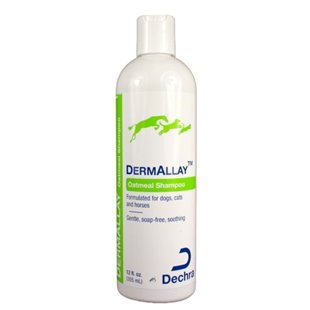
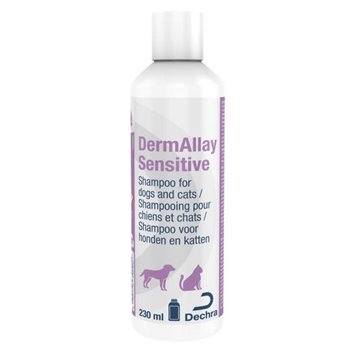
Sensitive skin is common in cats. A dry indoor environment, frequent grooming, fleas, dietary changes, seasonal allergens, or an underlying dermatological condition can all contribute to itching and discomfort. When the epidermal barrier becomes irritated, cats may overgroom, develop dandruff, or show red patches (erythema) and mild inflammation. Dermallay Oatmeal Shampoo for Cats is designed as a gentle, skin-supportive cleanser for routine bathing when you want to soothe and moisturise without using harsh degreasing products. It can be helpful if you have noticed any of the following changes:
- Your cat is persistently scratching or licking, which veterinarians describe as pruritus.
- The coat looks dry, flaky, or dusty, with visible scaling.
- The skin looks mildly pink, reactive, or sensitive after grooming.
- There is greasy build-up and a “waxy” feel, which can be linked with seborrhoea.
Dermallay Shampoo is not a substitute for a diagnosis, but it can make day-to-day skin care feel more manageable while you work out what is triggering the problem.
Dermallay for Cats works in two practical ways: it cleans the coat effectively, and it supports the outer skin layers so they retain moisture more comfortably. Mild cleansing agents help lift away dirt, excess oils, saliva residue from overgrooming, and environmental allergens that cling to the hair shafts. The key skin-soothing ingredient is colloidal oatmeal, widely used in dermatology because it can calm itching, reduce the sensation of tightness, and form a protective, moisturising film over the stratum corneum, which is the skin’s outermost layer.
By helping reduce transepidermal water loss, oatmeal supports a better-hydrated coat and can make the skin feel less reactive. The shampoo base is designed to rinse cleanly and leave the coat soft and pliable rather than squeaky-clean and dry. Many cats also benefit from added skin-conditioning agents and moisturising lipids, which support the “brick and mortar” structure of the epidermis that helps keep irritants out and hydration in. A gentle, pH-balanced cleanser like Dermallay Shampoo can be especially useful when you need regular bathing as part of an ongoing skin-care plan.
For cats that are prone to itching, Dermallay for Cats offers a straightforward, non-stinging step that can sit alongside veterinary treatment plans. In feline atopic skin disease and other hypersensitivity states, tiny exposures can add up, and a gentle bath can physically remove pollen, dust, and household residues before they irritate the skin further. By soothing and moisturising, Dermallay can help reduce the scratch–lick–overgroom cycle that leads to hair breakage, thinning, and secondary skin trauma. It is particularly useful when the coat feels dry after a flare-up, or when topical products and grooming have left the skin feeling “tight”. If your cat has recurrent flea allergy dermatitis, Dermallay Shampoo can help comfort the skin, although it does not kill parasites, so effective flea control remains essential. Likewise, if there is an infection (for example, pustules, an odour, or weeping areas), your vet may recommend a specific medicated wash; Dermallay Shampoo for Cats can still be valuable for maintenance once the infection is under control.
Using Dermallay for Cats correctly makes a noticeable difference to comfort. Wet the coat thoroughly with lukewarm water, then apply Dermallay Shampoo in small amounts, working it into a gentle lather from neck to tail, including the belly and legs if your cat allows. A short contact time matters because oatmeal and moisturising ingredients need time to coat the hair and skin; aim for around five to ten minutes before rinsing. Rinse until the water runs completely clear, because leftover residue can cause itchiness, especially in cats that groom frequently. Towel-dry and keep your cat warm until fully dry, and brush gently once dry if your cat is prone to mats. For a cat with ongoing dryness or seasonal itch, many owners use Dermallay weekly at first, then reduce to every two to four weeks as the skin settles, but the best schedule depends on the underlying cause and your vet’s advice. If your cat has very sensitive skin, start with a small patch test and pause if you notice increased redness, swelling, or discomfort.
Dermallay Shampoo for Cats can be used as part of a wider skin-care routine, and it often pairs well with other veterinary-recommended products. If your cat is on an elimination diet, antihistamines, ciclosporin, oclacitinib, or other anti-inflammatory therapy, regular bathing with Dermallay for Cats can reduce the allergen load on the coat, which may help some cats feel calmer between appointments. If you are using spot-on flea treatment, bathing can reduce its persistence; as a general precaution, avoid washing for a couple of days before and after applying a topical parasite product unless your vet advises otherwise. The shampoo is intended for external use only, and it should be kept out of the eyes and ears. It is also sensible to check with your vet before bathing very young kittens, pregnant cats, or cats with chronic disease, simply because their skin can be more reactive and they can chill more easily.
What is Dermallay Oatmeal Shampoo for Cats used for?
Dermallay Shampoo is used to gently cleanse and soothe cats with dry, itchy, or sensitive skin. It helps remove dirt, dander and environmental allergens from the coat while supporting hydration. It is commonly used as supportive care for pruritus, mild erythema, and scaling alongside veterinary advice.
How does Dermallay Shampoo help with itching?
Dermallay for Cats contains colloidal oatmeal, which is widely used to calm the skin and reduce the sensation of itch. By leaving a moisturising film on the stratum corneum, it supports the skin barrier and can help reduce dryness-related irritation. It also washes away allergens that may trigger flare-ups.
How often can I bathe my cat with Dermallay Shampoo?
Frequency depends on your cat’s skin condition and tolerance. Many cats start with weekly baths during a flare-up, then move to every two to four weeks for maintenance. If your cat is on a veterinary treatment plan for dermatitis, ask whether Dermallay for Cats should be used on set days or alternated with a medicated wash.
Can I use Dermallay for Cats alongside flea treatment?
Usually, yes, but timing matters. Bathing can reduce the persistence of some topical spot-on parasite products. As a sensible precaution, avoid bathing for a couple of days before and after applying a spot-on, unless your vet advises otherwise. Dermallay Shampoo does not kill fleas, so flea control still needs to be consistent.
Should I leave Dermallay Shampoo on the skin before rinsing?
Yes. A short contact time helps the soothing ingredients coat the skin and hair. Aim for around five to ten minutes, if your cat will tolerate it, then rinse until the water runs clear. If your cat becomes stressed, shorten the contact time and focus on a calm experience rather than perfection.