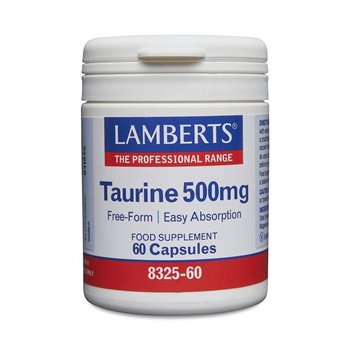
Taurine is an essential nutrient for cats, helping maintain normal heart muscle function, vision, digestion and reproduction. Cats cannot make enough taurine to meet their needs, so they must receive it regularly through their diet. Taurine capsules provide an additional source when a vet identifies a reason to supplement. The product listed here contains 500mg of taurine per capsule and is supplied in a pot of 60. Supplementation should reflect the cat’s diet and health rather than being added automatically because a cat is getting older or eats a particular type of food.
A complete cat food is formulated to provide the nutrients a cat needs, including taurine, when fed appropriately for its life stage. Both wet and dry foods can be complete; neither format automatically creates a need for extra taurine. The useful distinction on the label is between “complete” and “complementary”. Complementary foods, treats and toppers are not intended to provide the whole diet on their...
Taurine is an essential nutrient for cats, helping maintain normal heart muscle function, vision, digestion and reproduction. Cats cannot make enough taurine to meet their needs, so they must receive it regularly through their diet. Taurine capsules provide an additional source when a vet identifies a reason to supplement. The product listed here contains 500mg of taurine per capsule and is supplied in a pot of 60. Supplementation should reflect the cat’s diet and health rather than being added automatically because a cat is getting older or eats a particular type of food.
A complete cat food is formulated to provide the nutrients a cat needs, including taurine, when fed appropriately for its life stage. Both wet and dry foods can be complete; neither format automatically creates a need for extra taurine. The useful distinction on the label is between “complete” and “complementary”. Complementary foods, treats and toppers are not intended to provide the whole diet on their own. A healthy cat eating enough suitable complete food will not usually need a separate taurine supplement.
Taurine supplementation may be recommended when dietary intake is inadequate or a veterinary assessment identifies deficiency or a related condition. Home-prepared diets need particular care because supplying enough protein does not, by itself, establish that every essential nutrient is present in the right amount. Adding taurine to an unbalanced recipe does not correct shortages of other amino acids, vitamins or minerals. A veterinary nutritionist can assess the whole recipe and specify any necessary supplements. Dog food is also unsuitable as a cat’s main diet, even if the cat enjoys eating it, because the two species have different nutritional requirements.
The heart and retina are especially sensitive to taurine deficiency. Low taurine can contribute to dilated cardiomyopathy, a condition in which the heart muscle becomes weak, and to degeneration of the retina at the back of the eye. Not all feline heart disease is caused by low taurine, and a supplement is not a substitute for diagnosis or prescribed treatment. Deficiency-related heart changes may improve with appropriate treatment, but established retinal damage may be irreversible. Changes in vision or activity therefore need veterinary assessment.
When taurine has been recommended, follow the amount and frequency advised for the individual cat. The strength printed on the bottle describes the contents of each capsule; it does not establish the daily amount needed by every animal. Check the current pack instructions before giving a capsule or opening it to mix with food. If mixing is permitted, use a small portion that the cat will finish before offering the rest of the meal.
Your vet may review the diet, check blood taurine levels or arrange other investigations according to the reason for supplementation. Keep the names of the main food, treats and other supplements available, including any recent changes. A cat that is eating less needs help with the cause of its reduced intake; taurine alone cannot replace the calories and other nutrients missing from meals. Store taurine capsules according to the packaging, close the pot after use and keep it away from pets and children.
What is taurine?
Taurine is an amino acid that cats need for several normal body functions, including heart function and vision. Because cats make only limited amounts themselves, their food must provide an adequate regular supply.
Does every cat need a taurine supplement?
No. Every cat needs taurine, but healthy cats eating an appropriate complete diet generally receive enough from their food. Extra supplementation should be based on an identified need rather than the assumption that all cats benefit from more.
Do cats eating dry food need extra taurine?
Not automatically. Complete dry cat foods are formulated to supply taurine, as are complete wet foods. Check the food’s nutritional status and intended life stage rather than deciding from its texture. Your vet can assess whether the amount your cat actually eats is adequate.
Can taurine treat every type of heart disease in cats?
No. Taurine is relevant to deficiency-associated heart disease, but cats develop heart conditions for other reasons too. A veterinary diagnosis determines which treatment is appropriate. Do not replace heart medicines with a supplement or assume that a heart murmur proves taurine deficiency.
Can taurine restore lost vision?
Established retinal damage caused by taurine deficiency may be permanent. Correcting a deficiency is important, but it should not be presented as a way to reverse all sight loss. A cat with altered vision needs an examination to establish the cause.
Do older cats automatically need more taurine?
Age alone does not establish a need for supplementation. What the cat eats, how much it eats and any diagnosed health conditions are more useful considerations. Review changes in appetite or weight with your vet rather than assuming they indicate a taurine shortage.