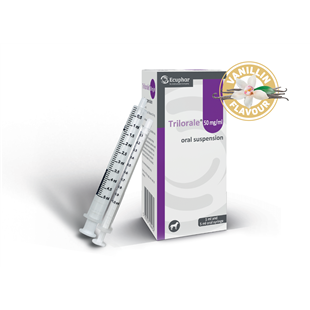
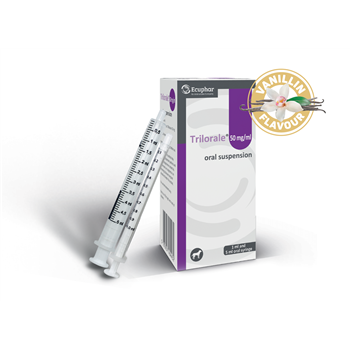
Trilorale is an oral veterinary prescription medicine used to manage Cushing’s disease in dogs. A liquid preparation allows the vet to specify a measured volume for an individual dog, rather than selecting a dose solely from available capsule strengths. Trilorale is intended for confirmed pituitary-dependent or adrenal-dependent hyperadrenocorticism, the clinical term for Cushing’s disease.
The adrenal glands normally release cortisol, which contributes to the body’s response to stress and helps regulate metabolism. With Cushing’s disease, excessive cortisol exposure gradually disrupts normal body functions. Owners may notice that water bowls empty more quickly, toilet breaks become more frequent or a previously settled dog starts having accidents indoors. An unusually strong appetite, persistent panting, a fuller abdomen and loss of muscle can also occur. Hair may become sparse, while the skin can appear thinner and more vulnerable.
Trilorale acts on the biochemica...
Trilorale is an oral veterinary prescription medicine used to manage Cushing’s disease in dogs. A liquid preparation allows the vet to specify a measured volume for an individual dog, rather than selecting a dose solely from available capsule strengths. Trilorale is intended for confirmed pituitary-dependent or adrenal-dependent hyperadrenocorticism, the clinical term for Cushing’s disease.
The adrenal glands normally release cortisol, which contributes to the body’s response to stress and helps regulate metabolism. With Cushing’s disease, excessive cortisol exposure gradually disrupts normal body functions. Owners may notice that water bowls empty more quickly, toilet breaks become more frequent or a previously settled dog starts having accidents indoors. An unusually strong appetite, persistent panting, a fuller abdomen and loss of muscle can also occur. Hair may become sparse, while the skin can appear thinner and more vulnerable.
Trilorale acts on the biochemical pathway through which the adrenal glands manufacture steroid hormones. Trilostane inhibits an enzyme system within that pathway, limiting the production of cortisol and certain other adrenal hormones. The intended effect is controlled hormone production, with a dose that balances clinical improvement against the risk of excessive suppression. Trilorale does not remove the underlying pituitary or adrenal abnormality, and a dog that appears better still needs scheduled reviews. The response is assessed through a combination of changes at home, veterinary examination and blood testing. Reduced drinking or a more settled appetite may be noticeable before changes in coat growth become apparent. There is no single timetable that describes every dog’s progress. Recording a few observations between appointments gives your vet useful context without expecting you to interpret hormone results yourself. If a symptom persists, report it rather than altering the medicine. Increasing the amount without veterinary advice can make treatment unsafe, even when the original signs have not completely resolved.
Trilorale is given by mouth with food, because food affects the absorption of trilostane. Shake the bottle thoroughly before drawing up the prescribed amount, then use the appropriate supplied syringe to measure the volume shown on the dispensing label. The 25ml bottle includes 1ml and 5ml measuring syringes; your veterinary team can demonstrate which to use and how to identify the correct markings. The liquid has a vanillin flavour, but it still needs careful administration rather than an assumption that the dog will take it willingly. Trilorale is usually started as a daily treatment, with subsequent changes made by the prescribing vet. Keep feeding and medicine times consistent with those instructions. If your dog spits out a dose, refuses a meal or you cannot tell how much was swallowed, contact the practice before giving more. A missed or uncertain dose should never be compensated for by automatically doubling the next amount.
Blood tests are a necessary part of treatment with Trilorale because outward improvement alone cannot confirm that adrenal function remains appropriate. The licensed monitoring schedule includes assessment before treatment, at ten days, four weeks and twelve weeks, followed by checks every three months and after dose adjustments. Testing includes blood biochemistry, electrolytes and an ACTH stimulation test, which examines how the adrenal glands respond to hormonal stimulation. The specified timing for that test is four to six hours after the dose, so appointment arrangements matter. Your Vet will explain when to feed your dog and give the medicine on a testing day. Between appointments, vomiting, diarrhoea, poor appetite, marked lethargy or weakness need prompt veterinary advice. Withhold further Trilorale if these signs occur until your vet tells you how to proceed. Excessive suppression can cause hypoadrenocorticism, meaning insufficient adrenal hormone production. A dog that collapses needs emergency veterinary care immediately. Do not wait for a routine review or assume that a new illness is simply part of Cushing’s disease.
Is Trilorale suitable for both forms of canine Cushing’s disease?
Trilorale is licensed for pituitary-dependent and adrenal-dependent hyperadrenocorticism in dogs. These forms have different underlying origins but both involve excessive adrenal hormone activity. Diagnosis is important because similar symptoms can occur with other illnesses, and the cause of Cushing’s disease may influence the wider veterinary treatment plan.
Is Trilorale a cure for Cushing’s disease?
Trilorale controls hormone production rather than removing the underlying pituitary or adrenal abnormality. Dogs receiving it need continued veterinary assessment, even when their symptoms improve. Your vet will explain the likely duration of treatment and whether other investigations or approaches are appropriate for your dog’s particular diagnosis.
Why might a vet prescribe liquid trilostane?
An oral suspension allows a prescribed dose to be measured as a volume using a dosing syringe. This provides an alternative formulation when a vet considers it appropriate. Liquid medicine still requires accurate measurement, thorough shaking and consistent administration. It should not replace another prescribed formulation without veterinary instructions.
Will my dog still need tests when symptoms improve?
Yes. Improvements in thirst, appetite or activity do not show the full effect on adrenal function. Blood testing helps the vet assess treatment safety alongside your observations. Keep scheduled reviews even when your dog seems well, and confirm the required timing of food and medicine before each testing appointment.
Can I give supplements alongside Trilorale?
Discuss every supplement and medicine with your vet before combining it with Trilorale. Existing conditions and products that affect electrolyte balance can influence treatment decisions. Supplements do not replace prescribed treatment for Cushing’s disease, and adding them should not delay a review if your dog develops new symptoms.