


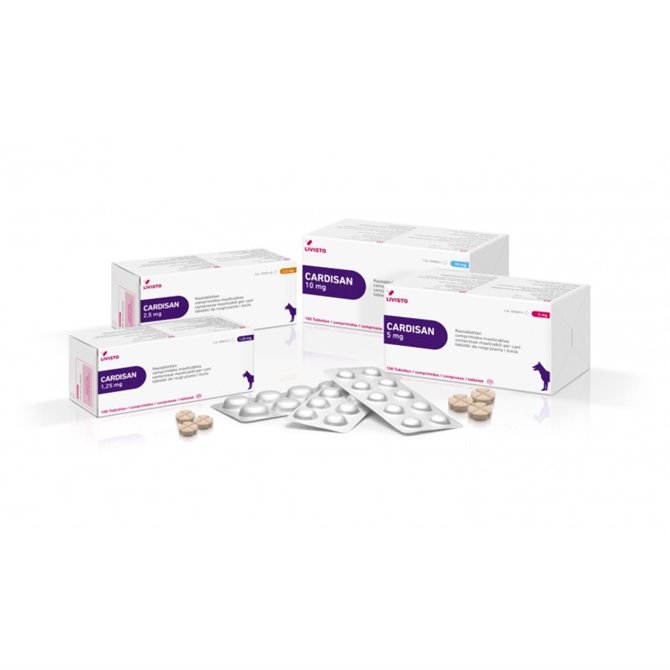
1.25mg Cardisan for Dogs - Per Tablet
1.25mg Cardisan for Dogs is a prescription heart medication used when a dog needs support because the heart is not pumping blood efficiently. Veterinary surgeons may prescribe 1.25mg Cardisan for dogs with certain types of heart disease that can lead to poor circulation and fluid build-up, particularly when signs are starting to affect day-to-day comfort. The 1.25mg strength is often chosen for smaller dogs, for careful dose adjustments, or when a lower starting dose is appropriate before reviewing response.
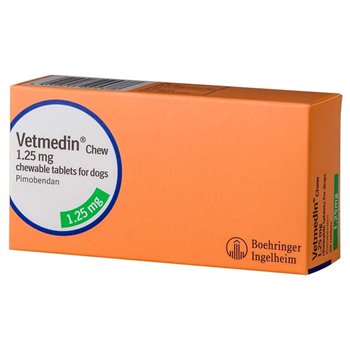
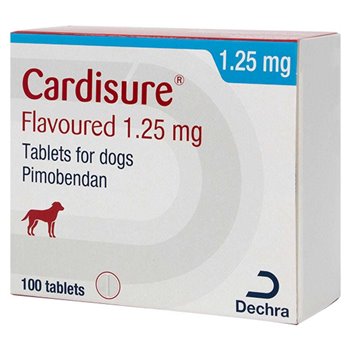
Cardisan for Dogs works by improving the efficiency of the heart’s pumping action while also making it easier for blood to flow through the circulation. The active ingredient, pimobendan, increases the strength of contraction so each heartbeat can move more blood forward, and it also promotes gentle widening of blood vessels. These combined effects are sometimes described as an "inodilator" action, because the medicine supports inotropy (contractility) and vasodilation at the same time. By lowering the resistance the heart must pump against, 1.25mg Cardisan can reduce workload and may help the heart deliver oxygenated blood to the body with less strain. In dogs with heart failure, this can contribute to improved exercise tolerance and more comfortable breathing, especially when used alongside other therapies chosen by your vet.
VETERINARY PRESCRIPTION REQUIRED
Additional Product Information
Description
Congestive Heart Failure in dogs is not a single disease, but a stage of heart disease where the heart can no longer keep up with the body’s needs without fluid accumulating. When the left side of the heart struggles, pressure can back up towards the lungs and fluid may build in or around lung tissue, which can cause coughing, faster breathing, breathlessness, and difficulty settling, particularly at night. When the right side of the heart struggles, fluid may collect in the abdomen or chest, leading to a swollen belly, reduced appetite, and general fatigue. Many cases begin with a heart murmur and gradual changes in stamina, but some dogs deteriorate quickly, especially during episodes of fluid build-up. Common underlying causes include degenerative mitral valve disease and dilated cardiomyopathy, although other conditions can contribute. Diagnosis usually relies on a combination of physical examination and tests such as chest X-rays, echocardiography, and sometimes an ECG or blood tests to guide treatment. Early recognition matters, because prompt treatment can reduce discomfort and may help stabilise the condition.
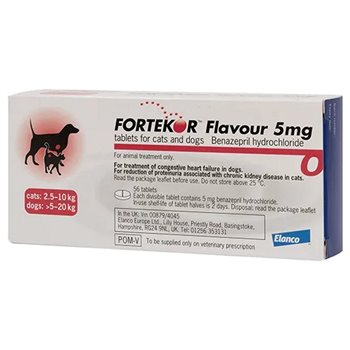
Managing Congestive Heart Failure usually involves more than one medication, because several body systems are affected once the heart is under strain. Your vet may use 1.25mg Cardisan to support the heart’s pumping ability, while also prescribing a diuretic to remove excess fluid and ease congestion in the lungs. Other medicines may be used to help control blood pressure and the hormonal responses that drive fluid retention and blood vessel narrowing in chronic heart disease. For many dogs, the treatment plan evolves over time, with dose adjustments after check-ups or after a flare-up of coughing or breathlessness. Alongside medication, practical home monitoring can be helpful; many vets advise tracking resting respiratory rate, appetite, energy levels, and any changes in cough. Keeping your dog at a healthy weight, avoiding extreme exertion, and following dietary advice can also support medical treatment, while 1.25mg Cardisan continues to do its job in the background.
Give 1.25mg Cardisan exactly as directed and try to dose at the same times each day, because consistent dosing helps maintain a steady effect. Pimobendan is often given twice daily, and many vets recommend giving 1.25mg Cardisan on an empty stomach for best absorption, although your vet may tailor advice to what is realistic for your household. If a tablet needs to be split, do so carefully to keep doses accurate, and use only the method your vet recommends. If you miss a dose of 1.25mg Cardisan, do not double the next dose unless your vet specifically instructs you to; give the next scheduled dose and note what happened. Most dogs tolerate pimobendan well, but possible side effects can include vomiting, diarrhoea, reduced appetite, or mild lethargy, and any new collapse, marked weakness, or worsening breathing should be treated as urgent. Tell your vet about all medicines and supplements your dog receives, because combinations can change monitoring needs, and this medicine is not suitable for every type of heart problem, especially where there is an obstruction to blood flow out of the heart.
Because heart failure is a long-term condition, follow-up is part of safe and effective use. Your vet may recommend repeat examinations, blood tests to monitor kidney function and electrolytes when diuretics are used, and imaging such as chest X-rays or echocardiography to assess how the heart and lungs are responding. Store 1.25mg Cardisan in its original packaging, away from heat and moisture, and keep it out of reach of children and other animals. Do not stop 1.25mg Cardisan or change the dose without veterinary advice, as sudden changes can lead to worsening signs or make it harder to judge what is working. If your dog develops rapid or laboured breathing, blue-tinged gums, collapse, or a sudden swollen abdomen, seek veterinary attention straight away, even if doses have been given correctly. Between appointments, keep a simple record of breathing rate at rest, cough frequency, appetite, and energy, and share it with your vet so they can decide whether 1.25mg Cardisan or the wider heart plan needs adjustment.
How does 1.25mg Cardisan help with heart failure in dogs?
Cardisan contains pimobendan, which helps the heart contract more effectively and also reduces resistance in the blood vessels. This can improve forward blood flow and reduce the workload on the heart. For many dogs, this supports better exercise tolerance and more comfortable breathing.
How quickly should I expect to see changes after starting 1.25mg Cardisan?
Some dogs show changes within days, such as improved stamina or appetite, but many improvements are gradual and easier to judge over a few weeks. Your vet will often assess progress using examination findings and, where appropriate, repeat imaging or breathing‑rate monitoring at home.
Should 1.25mg Cardisan be given with food or on an empty stomach?
Many vets recommend giving pimobendan on an empty stomach because absorption can be better that way, but routines vary and some dogs need medication given in a practical, reliable manner. Follow your vet’s instructions for your dog, and ask before changing how you give the tablet.
What are common signs of congestive heart failure in dogs?
Typical signs include a persistent cough, faster breathing at rest, breathlessness after light activity, reduced stamina, fainting episodes, or difficulty settling comfortably. Some dogs develop abdominal swelling from fluid build‑up and may eat less. Any sudden breathing difficulty or collapse needs urgent veterinary care.
What are the side effects of Cardisan?
Most dogs tolerate treatment well, but possible effects include vomiting, diarrhoea, reduced appetite, or mild lethargy. Contact your vet if side effects persist, if your dog seems weaker, or if breathing worsens. Collapse, very fast breathing, or blue‑tinged gums should be treated as an emergency.
What should I do if I miss a dose of Cardisan?
Give the next dose at the normal time and do not double up unless your vet has specifically advised it. Doubling can increase the risk of unwanted effects and makes it harder to judge response. If missed doses happen regularly, speak to your vet about a routine that is easier to maintain.
You may also like


What our customers say about us.
Good all round. Great service, good prices
Tim
Source: Trustpilot Review
Very fast delivery, simple ordering
Charlotte
Source: Trustpilot Review
Definitely recommend great service very reasonable and fast delivery.
Jordan
Source: Trustpilot Review
- Tracked 24 Delivery Follow your parcel online
- VMD & RCVS Registered VetDispense is a registered UK Dispensary
- Secure Payment Pay securely online by card or PayPal
- Independent Since 2008 A Trusted UK Dispensary