


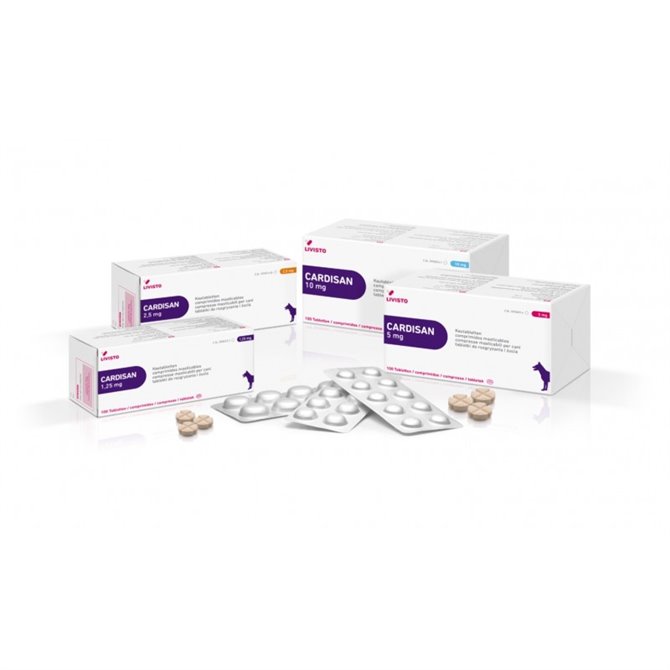
2.5mg Cardisan for Dogs - Per Tablet
2.5mg Cardisan for Dogs is a veterinary prescription medicine used to support dogs with certain types of chronic heart disease, when the heart is no longer pumping as efficiently as it should. The chewable tablet can help make daily dosing straightforward. It is most often prescribed for Congestive Heart Failure linked to myxomatous mitral valve disease (a “leaky” mitral valve common in smaller breeds) or dilated cardiomyopathy (a weakened, enlarged heart muscle more often seen in larger breeds).
The active ingredient in 2.5mg Cardisan is pimobendan, often described clinically as an “inodilator”. That means it helps the heart contract more strongly (a positive inotrope) and helps blood vessels relax (vasodilation). Cardisan helps create a stronger squeeze and an easier flow, so the heart does not have to work as hard to move blood forward. Pimobendan makes the heart muscle more sensitive to calcium inside the cells, improving pumping efficiency without simply driving the heart rate up. It also has a mild effect on an enzyme called phosphodiesterase‑3 (PDE‑3), which encourages blood vessels to widen. Together, these effects can increase cardiac output and reduce the “back pressure” that worsens mitral valve leakage and encourages fluid to seep into the lungs. 2.5mg Cardisan is not a diuretic and it does not “dry out” fluid on its own, but it often works well as part of a combined plan to improve circulation and breathing comfort.
VETERINARY PRESCRIPTION REQUIRED
Additional Product Information
Description
Congestive Heart Failure in dogs describes the stage where the heart cannot keep up with the body’s needs, so fluid starts to build up where it should not. When a valve leaks or the heart muscle weakens, pressure rises and the body activates hormonal systems that make it retain salt and water. This can lead to pulmonary oedema (fluid in the lungs) or, less commonly, ascites (fluid in the abdomen). Breathing changes are often the key sign to spot early, although not every cough is heart-related. Common signs include:
- You may notice a new or worsening cough, especially after resting or at night.
- You might see faster breathing at rest, increased effort to breathe, or panting without exercise.
- Your dog may tire quickly on walks, struggle with stairs, or seem generally “slower”.
- Some dogs eat less, lose weight, or seem less interested in play.
- In more advanced disease, fainting (syncope), weakness, or collapse can occur.
Your vet will usually combine your observations with a clinical examination (for example, a heart murmur or an irregular heartbeat) and tests such as chest X‑rays, blood tests, blood pressure measurement, and an echocardiogram (heart ultrasound). These checks help confirm Congestive Heart Failure, assess severity, and decide if medicines like 2.5mg Cardisan are appropriate.
How 2.5mg Cardisan is given matters, and your vet will tailor instructions to your dog’s weight, diagnosis, and stage of disease. Cardisan is commonly given twice daily, and many dogs do best when it is given on a fairly empty stomach, so some vets advise giving it about an hour before meals. If your dog is fussy, ask whether the tablet can be offered with a small amount of food or hidden in a treat, and do not change how you give it without veterinary advice. If you miss a dose, do not double up unless your vet instructs you to. Cardisan is intended for dogs only, and it should be stored safely out of reach. Your vet may also mention situations where pimobendan is not appropriate, such as aortic stenosis or certain serious arrhythmias, because the treatment plan needs to match the exact heart problem. If your dog is on other medicines, your vet will advise on the safest schedule.
It is common for dogs with congestive heart failure to need more than one medicine, because different drugs tackle different parts of the condition. Alongside 2.5mg Cardisan, vets often prescribe a loop diuretic such as furosemide to remove excess fluid and reduce pulmonary oedema, an ACE inhibitor such as benazepril to dampen harmful hormone activation, and sometimes spironolactone (an aldosterone antagonist) to help limit fluid retention. Regular rechecks matter because heart failure can change over time and medicines may need adjusting. Your vet may monitor body weight, breathing rate, blood pressure, kidney values (urea and creatinine), and electrolytes such as potassium, especially when diuretics are used. Most dogs tolerate 2.5mg Cardisan well, but side effects can occur. Contact your vet if you notice vomiting, diarrhoea, reduced appetite, unusual restlessness, marked lethargy, or any sudden change in breathing, because these signs may need a medication review rather than a “wait and see” approach.
How does Cardisan help a dog’s heart?
The pimobendan in 2.5mg Cardisan is an ‘inodilator’. It improves the strength of each heartbeat (positive inotrope) and gently relaxes blood vessels (vasodilation). In plain terms, the heart squeezes better and blood flows more easily, which can support breathing comfort and stamina.
How quickly might I notice a change after starting 2.5mg Cardisan?
Some dogs seem brighter or less short of breath within days, while others improve more gradually over a few weeks. Response depends on the underlying heart condition and which other medicines are being used. If symptoms worsen soon after starting, contact your vet promptly for advice.
What side effects can 2.5mg Cardisan cause?
Most dogs tolerate Cardisan well, but mild stomach upset can happen, including vomiting or diarrhoea. Less commonly, restlessness or changes in heart rhythm (arrhythmia) may be seen. If you notice marked lethargy, collapse, or any sudden breathing change, seek veterinary advice urgently.
What are the early signs of congestive heart failure in dogs?
Early signs often include a new cough, faster breathing at rest, reduced exercise tolerance, and tiring on walks. Some dogs eat less or lose weight. Because these signs can overlap with other conditions, your vet may recommend chest X‑rays and an echocardiogram to confirm CHF.
How can I monitor a dog with CHF at home?
A simple, helpful check is your dog’s resting respiratory rate while asleep and relaxed. Your vet can tell you what range is normal for your dog. Also watch for increased coughing, reduced appetite, sudden weight gain, or belly swelling. Keep a diary to share at check‑ups.
What our customers say about us.
It's so easy to order my cat's medication. He has diabetes, so he needs to have it regularly and with Vets Dispense I don't have to worry as it is always on time.
Alison
Source: Trustpilot Review
Smooth process, medication arrived quickly very happy overall with the service
Kelly
Source: Trustpilot Review
Excellent service delivered next day.
David
Source: Trustpilot Review
You may also like
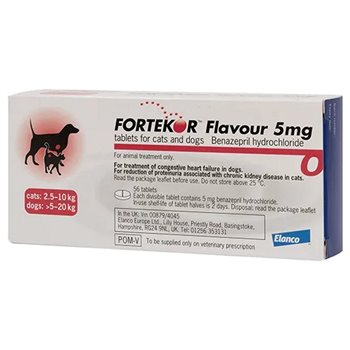


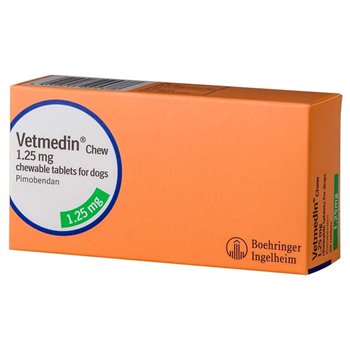
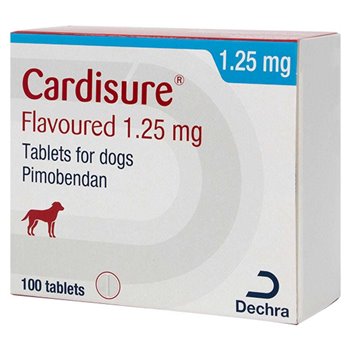
- Tracked 24 Delivery Follow your parcel online
- VMD & RCVS Registered VetDispense is a registered UK Dispensary
- Secure Payment Pay securely online by card or PayPal
- Independent Since 2008 A Trusted UK Dispensary