


- New
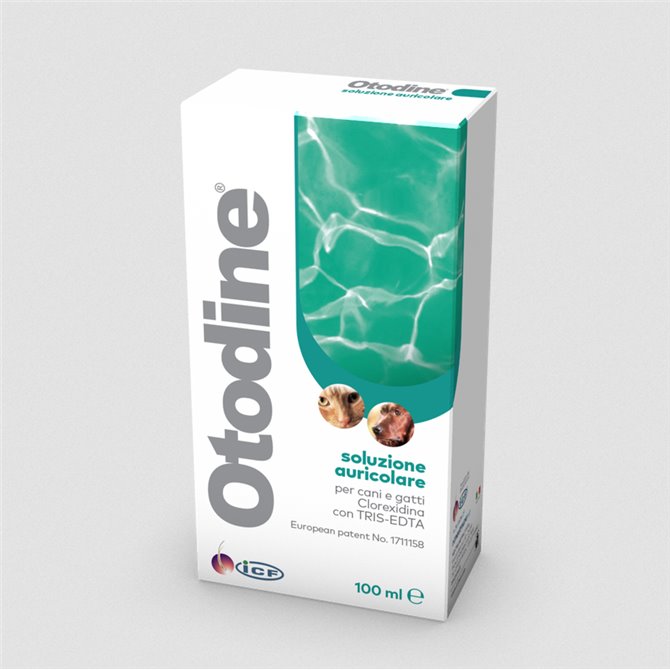
Otodine Ear Cleaning Solution for Dogs and Cats - 100ml
Otodine is an ear-cleaning solution for dogs and cats, combining chlorhexidine with Tris-EDTA. It helps loosen wax and debris while supporting the management of bacterial and yeast overgrowth within an appropriate ear-care plan.
Otodine solution is gently massaged into the ear canal before excess liquid and loosened material are removed. Pain, discharge, head tilting or persistent head shaking should be assessed before an ongoing cleaning routine is started.
Additional Product Information
Description
Otodine is an ear-cleaning solution for dogs and cats that combines chlorhexidine with Tris-EDTA. It helps loosen wax and debris and provides antimicrobial cleansing as part of an appropriate ear-care routine. The 100ml bottle is intended for external use in the ear, with the solution gently massaged through the canal before excess liquid and loosened material are removed. Otodine may be recommended where the ear environment needs support alongside veterinary management of bacterial or yeast overgrowth. The cleaning plan should reflect the condition of the ears and any treatment being used. New pain, discharge or persistent head shaking needs assessment before repeated cleaning is started, because the cause may require more than a cleanser and a painful ear may be difficult to examine at home.
The external ear canal contains skin that produces wax and can collect shed cells and other material. A small amount of wax is normal, but accumulation can make an ear harder to keep clean and can interfere with treatment reaching the skin. Otodine helps loosen this material so it can be removed gently. Dogs and cats with recurring ear problems may need a cleaning schedule tailored to their condition, while healthy ears do not all require the same frequency of cleaning. Otodine should be used according to the supplied instructions and any veterinary plan. Cleaning too often or rubbing aggressively can irritate the ear, so monitor comfort as well as the amount of visible wax. Persistent odour or discharge warrants investigation rather than simply increasing cleaning frequency. One ear can be affected more severely than the other, and a sudden problem in a previously comfortable ear may have a different cause from a longstanding recurring condition. Tell the vet when the signs started and whether swimming, bathing or a walk through long grass preceded them. This history can help guide examination of the canal before a maintenance routine is chosen.
Chlorhexidine in Otodine provides antiseptic activity against susceptible microorganisms. Tris-EDTA complements this action and helps support the management of the ear's microbial environment. The formulation also contains propylene glycol and water, with Tris-EDTA described by the manufacturer at pH 8. Otodine is an ear cleanser, and its role should be distinguished from the purpose of prescribed ear medicines. A vet may recommend both cleansing and a medicine where the ear needs more than one form of care. The order and timing matter because cleaning immediately after applying medicine can remove treatment. Follow the specific plan provided rather than combining several ear products on your own, particularly when the ear canal is inflamed or the condition of the eardrum has not been established.
To use Otodine, apply enough solution to fill the ear canal as directed, keeping the bottle tip from contacting the skin. Gently massage the base of the ear to help the liquid move through the canal and loosen wax and debris. Allow the animal to shake, then remove the excess solution and material visible around the entrance with cotton wool or a soft pad. Otodine can also be used to clean the ear flap and surrounding skin according to the manufacturer's guidance. Do not push cotton buds or other objects down into the canal, where they can cause injury or pack material deeper. If the animal is painful or strongly resists handling, stop and ask for veterinary assistance rather than trying to force the cleaning process.
The current manufacturer instructions allow Otodine cleaning to be repeated once or twice daily when required, but the appropriate schedule should be based on the individual ear problem. This is not a reason to clean every healthy ear that frequently. A vet may recommend a more intensive initial routine followed by less frequent maintenance, or specify how cleaning should fit around prescribed drops. When Otodine is used alongside treatment, keep to the agreed intervals and avoid adding another cleanser without advice. Note whether the ear is becoming more comfortable and whether discharge is reducing. Repeated scratching, renewed odour or a return of material soon after cleaning may indicate that the plan needs review or that an underlying factor is continuing to affect the ear.
Ear problems can be linked to allergy, foreign material, parasites or other conditions, and different causes need different treatment. Otodine supports cleansing but does not identify which of these is present. Arrange prompt veterinary assessment if the pet develops a head tilt, loss of balance, marked pain, bleeding or sudden hearing changes. An ear with a suspected damaged eardrum also needs a professional decision before any solution is used. Between applications, keep the bottle closed and follow its storage instructions. Use fresh cleaning material for each ear, especially where one ear is more affected than the other. Continue any recommended follow-up examination so that progress is judged by the condition of the canal and the pet's comfort, as well as how clean the visible ear flap appears.
What is Otodine used for?
Otodine is an ear-cleaning solution for dogs and cats. It loosens wax and debris and provides antimicrobial cleansing through chlorhexidine and Tris-EDTA. It may be included in a veterinary ear-care plan, but persistent pain, discharge or head shaking still needs assessment to identify the underlying cause.
What ingredients are in Otodine?
Chlorhexidine digluconate, Tris-EDTA, propylene glycol and deionised water. Chlorhexidine and Tris-EDTA are the key components for antimicrobial ear care. The solution should be used as supplied and according to the label, without mixing it with another ear cleaner or household antiseptic.
Can Otodine be used on cats?
Yes. The product is intended for both cats and dogs. Apply it according to the ear-care instructions and avoid forceful handling if the ear is painful. Cats with persistent discharge, head shaking or ear scratching should be examined, so any required treatment can be chosen appropriately.
How do I clean an ear with Otodine?
Fill the canal as directed, gently massage the base of the ear and allow loosened material to move out. Remove excess solution and visible debris with cotton wool or a soft pad. Keep the bottle tip clean and do not push cotton buds down into the canal.
How often should I use Otodine?
The manufacturer permits cleaning once or twice daily when required, but your pet's schedule should reflect the ear condition and any veterinary advice. Healthy ears do not automatically need frequent cleaning. Review persistent irritation or recurrent discharge rather than increasing the frequency without checking the cause.
Can I use Otodine with prescribed ear drops?
vet may include cleansing alongside prescribed drops, but follow the specified order and interval. Cleaning immediately after medicine can remove treatment from the ear. Do not combine products independently, particularly when the canal is inflamed or the eardrum has not been checked during the current episode.
Does Otodine replace treatment for an ear infection?
It provides cleansing and antimicrobial support, but some ear problems need prescribed medicine or treatment of an underlying cause. A vet may examine the canal and take samples to guide care. Continue the agreed plan and have persistent pain, discharge or recurring symptoms reviewed.
What our customers say about us.
I have used Vetdispense for my elderly springer spaniels medication for a number of years. Our vets were charging double the price as medication had to be stored in refrigerators. I get a prescription from my vets and send a copy with my order and it has always been processed and despatched promptly. I use an app on my mobile and can keep track of the order. If there have ever been any queries you can call and speak to someone (a rare and much appreciated thing these days). I highly recommend their service.
Audrey
Source: Trustpilot Review
We use vet dispense for all our prescriptions. Really good service and super fast delivery.
Wendy
Source: Trustpilot Review
Always quick to respond and send out my dogs medication and at competitive prices. Easy to navigate the website and upload prescriptions. All in all a great service and would recommend this company whole heartedly.
Janet
Source: Trustpilot Review
You may also like
- Tracked 24 Delivery Follow your parcel online
- VMD & RCVS Registered VetDispense is a registered UK Dispensary
- Secure Payment Pay securely online by card or PayPal
- Independent Since 2008 A Trusted UK Dispensary