


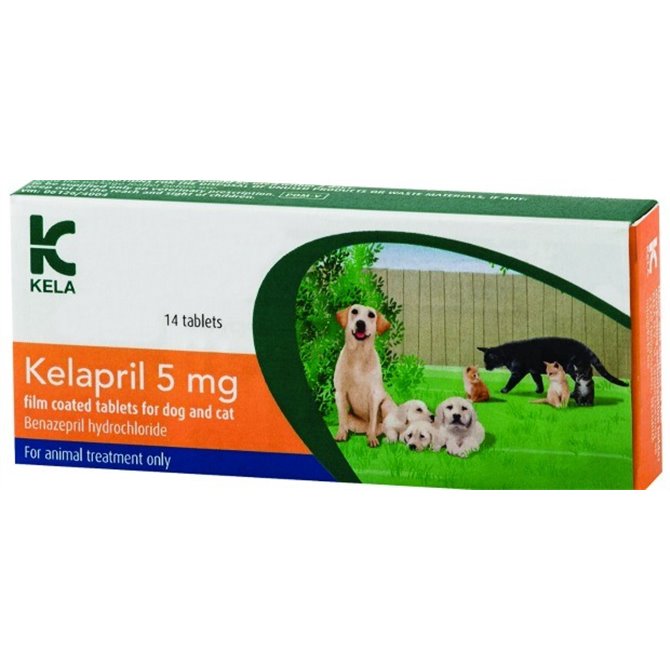
5mg Kelapril for Dogs & Cats - per Tablet
5mg Kelapril for Dogs & Cats is a veterinary prescription medicine used to support pets living with certain heart and kidney conditions. 5mg Kelapril Tablets contain Benazepril, an angiotensin‑converting enzyme (ACE) inhibitor that helps regulate blood pressure and fluid balance.
Your vet may prescribe 5mg Kelapril Tablets for dogs with Congestive Heart Failure, and for cats with chronic kidney disease where there is protein loss in the urine (proteinuria). The 5mg strength is often useful for smaller patients or where careful dose adjustments are needed.
Product Features
- Pack Size: - Sold Individually
- Target Animal: - Dogs and Cats
- Related Condition: - Congestive heart failure in dogs. Chronic kidney disease in cats
- Pet Prescription Required?: - Yes
- Active Ingredient: - 5mg benazepril hydrochloride
- Product Name: - 5mg Kelapril Tablets
Additional Product Information
Description
To understand how 5mg Kelapril Tablets work, it helps to look at the renin–angiotensin–aldosterone system (RAAS). When the body senses reduced circulation, the RAAS produces hormones such as angiotensin II and aldosterone. These cause vasoconstriction and encourage sodium and water retention, raising blood pressure and increasing strain on the heart. By inhibiting ACE, Kelapril Tablets reduce angiotensin II, helping blood vessels relax (vasodilation) and reducing fluid‑retaining signals. This can lower the resistance the heart pumps against (afterload) and support a more comfortable circulation.
Reducing these hormonal signals may also help limit cardiac remodelling over time. In the kidneys, lowering pressure in the filtering units (glomeruli) can reduce protein leakage into the urine, which is why ACE inhibitors may be chosen for some cats with proteinuria. 5mg Kelapril is not a diuretic, so they are often used alongside other medicines rather than instead of them, and your vet will balance the benefits against hydration status and blood pressure.
Congestive Heart Failure in dogs is a clinical syndrome where the heart cannot pump efficiently enough to meet the body’s needs. It is often linked with degenerative mitral valve disease or dilated cardiomyopathy, and it can lead to fluid build‑up, particularly in the lungs (pulmonary oedema). Vets commonly use 5mg Kelapril Tablets as part of long‑term management to reduce cardiac workload, alongside medicines such as diuretics and, in many cases, pimobendan. Owners often notice gradual changes before a crisis, so it helps to recognise typical signs:
- Your dog may cough, especially at night or after resting.
- Your dog may breathe faster at rest or seem unusually breathless.
- Your dog may tire easily and be less keen to exercise.
- Your dog may seem weak, lethargic, or occasionally faint.
- Your dog may gain weight quickly or develop a swollen abdomen from fluid.
As well as giving Kelapril Tablets, many vets ask owners to track a resting respiratory rate at home, because an upward trend can be an early warning of worsening congestion. Using Kelapril Tablets exactly as prescribed helps your vet stabilise clinical signs and adjust the wider plan based on your dog’s response.
Chronic kidney disease (CKD) in cats is a progressive condition in which kidney tissue is gradually lost, reducing the kidneys’ ability to filter waste products and regulate hydration, electrolytes, and blood pressure. Some cats with CKD develop proteinuria, and persistent protein loss can be a marker of ongoing glomerular stress. In selected cases, vets prescribe 5mg Kelapril Tablets to lower pressure within the kidney’s filtering system and help reduce protein leakage. Common signs of CKD include:
- Your cat may drink more and urinate more than usual.
- Your cat may lose weight or muscle over time.
- Your cat may have a reduced appetite, nausea, or occasional vomiting.
- Your cat may groom less and develop a dull coat.
- Your cat’s breath may smell unpleasant as waste products build up.
Cats with CKD can also develop systemic hypertension, so blood pressure monitoring matters. Most cats benefit from a broader CKD plan that may include a renal diet, phosphate control, hydration support, and management of nausea or appetite, alongside any blood‑pressure or proteinuria treatment. When a cat is taking 5mg Kelapril Tablets, vets usually recommend regular checks such as creatinine, urea, electrolytes, urine testing (often a urine protein‑to‑creatinine ratio), and blood pressure, so changes can be addressed early.
Follow your vet’s instructions precisely and try to give Kelapril Tablets at the same time each day. The tablets can generally be given with or without food, and a small amount of food can help if your pet has a sensitive stomach. Never change the dose or stop treatment unless your vet advises it, even if your pet seems brighter, because heart and kidney conditions can worsen quietly. If you miss a dose, it is usually safer to give the next dose at the normal time rather than doubling up, but ask your vet if you are unsure. If your pet vomits soon after dosing, do not automatically repeat the dose without advice, as your vet may prefer to assess the bigger picture first. Fresh water should always be available, and vomiting, diarrhoea, or a sudden drop in appetite should be reported promptly.
Like all prescription medicines, 5mg Kelapril are not suitable for every pet, and monitoring makes treatment safer. ACE inhibitors can contribute to hypotension or changes in kidney blood flow in some patients, which may show up as a rise in creatinine or altered potassium (hyperkalaemia). Mild digestive upset can occur, particularly when starting treatment or changing other medicines. Seek veterinary advice quickly if your pet seems very weak, faint, refuses food, or has laboured breathing. Your vet will also consider interactions, as diuretics, other blood‑pressure medicines, and non‑steroidal anti‑inflammatory drugs (NSAIDs) can affect hydration and renal perfusion. Blood tests and blood pressure checks are often repeated after starting or changing 5mg Kelapril, so your vet can adjust the dose if needed and keep your pet stable.
What are 5mg Kelapril Tablets used for in dogs and cats?
Kelapril Tablets are prescribed by vets to support dogs with Congestive Heart Failure and to help manage proteinuria linked with chronic kidney disease in some cats. They contain enalapril, an ACE inhibitor that helps relax blood vessels and reduce hormonal signals that contribute to high pressure and fluid strain.
How do Kelapril Tablets help dogs with congestive heart failure?
In canine congestive heart failure, the heart works harder to push blood around the body and fluid can accumulate in the lungs. 5mg Kelapril Tablets reduce angiotensin II, which helps widen blood vessels and lower afterload. They are commonly used alongside diuretics and other cardiac medicines.
Can Kelapril Tablets be used for chronic kidney disease in cats?
Yes, vets may use 5mg Kelapril Tablets in cats with chronic kidney disease when proteinuria is present. By lowering pressure within the glomeruli, ACE inhibitors can reduce protein leakage into the urine in some patients. Cats need monitoring, because kidney values and blood pressure can change over time.
How quickly do Kelapril Tablets start working?
Some blood‑pressure effects begin after the first few doses, but the real benefit is usually seen as part of a long‑term plan. In heart patients, improvement is often judged by breathing comfort and activity over days to weeks. In kidney patients, urine and blood results guide progress.
Can I give Kelapril Tablets with food, and how can I make dosing easier?
5mg Kelapril Tablets can usually be given with or without food. For pets that are reluctant, hiding the tablet in a small amount of something tasty can help, as long as it does not interfere with other dietary instructions. Give water freely and keep dosing times consistent for routine.
What our customers say about us.
Amazingly, very quick delivery. Thank you!
RH
Source: Trustpilot Review
Ordering prescription meds for my dog was quick and easy, quick delivery is always welcome. Fantastic customer service.
M Wilson
Source: Trustpilot Review
Excellent service once again from Vetdispense. Highly recommend this company. Solensia for my cat arrived on the date promised, well chilled and ready to go straight into the fridge. Thank you!
Audrey
Source: Trustpilot Review
You may also like
- Tracked 24 Delivery Follow your parcel online
- VMD & RCVS Registered VetDispense is a registered UK Dispensary
- Secure Payment Pay securely online by card or PayPal
- Independent Since 2008 A Trusted UK Dispensary