


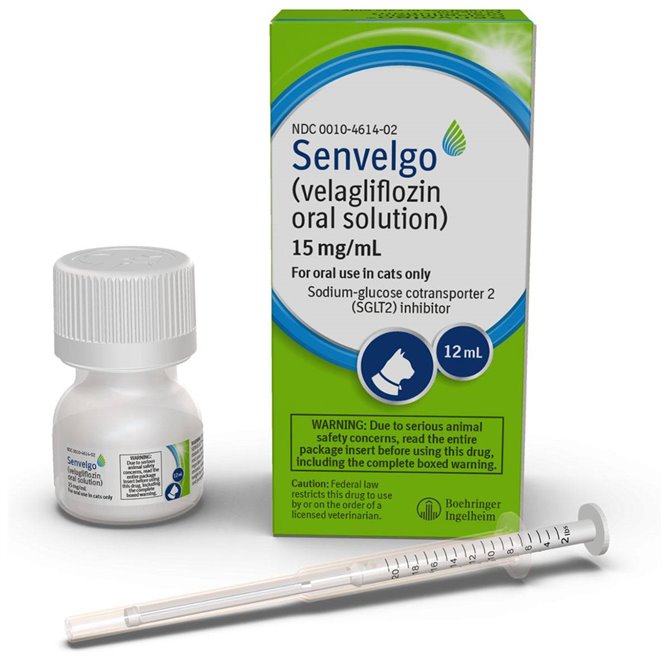
Senvelgo for Cats with Diabetes - 12ml
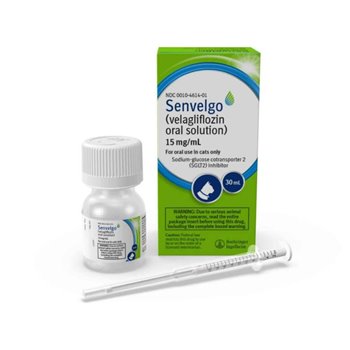
Senvelgo for Cats is a prescription medication used for the treatment of Diabetes in Cats. It is a once-daily liquid formula that helps regulate blood glucose levels without the need for insulin injections.
LOOKING FOR 30ML SENVELGO? - CLICK HERE
Senvelgo is suitable for cats diagnosed with stable diabetes and is administered orally using the syringe provided. Diabetes in Cats is a chronic metabolic disorder commonly seen in older or overweight cats. It occurs when the body is either unable to produce enough insulin or cannot effectively use the insulin it does produce. Insulin is a hormone necessary for the body to regulate blood sugar (glucose) levels. Without sufficient insulin action, glucose cannot enter the cells properly and begins to accumulate in the bloodstream. This leads to a variety of health issues if not managed appropriately.
How Senvelgo works
Senvelgo works differently to insulin injections. It reduces the reabsorption of glucose by the kidneys. Normally, the kidneys filter glucose and then reclaim most of it back into the bloodstream. Senvelgo reduces this reclaiming effect, so more glucose is passed out of the body in the urine. By increasing urinary glucose loss, blood glucose can fall and diabetic signs can improve.
Because more glucose is present in urine, some effects can follow. Urine volume can increase and thirst can remain increased, particularly early on. Diabetes itself also causes increased thirst and urination, which is why follow-up and testing remain important. Your vet may check hydration and kidney parameters before and during treatment.
Senvelgo contains the active ingredient velagliflozin, a selective sodium-glucose co-transporter 2 (SGLT2) inhibitor. It works by increasing the amount of glucose excreted in the urine, thereby lowering blood sugar levels. By helping to reduce hyperglycaemia without directly increasing insulin levels, Senvelgo provides an alternative approach to diabetes management in cats.
Senvelgo is not a form of insulin and does not replace insulin in all cases. It is designed for use in cats who are able to maintain stable blood sugar levels without insulin or as advised by a veterinary professional. Its once-daily oral administration makes it a convenient option for pet owners who may find injections challenging or stressful for their cat.
Each 12ml bottle of Senvelgo is supplied with a dosing syringe that allows for accurate administration. The dosage is determined by a veterinarian based on your cat’s weight and specific condition. It is important to follow the dosing instructions carefully to ensure effective management of the disease. Senvelgo should be given directly into the cat’s mouth and not mixed with food or water.
VETERINARY PRESCRIPTION REQUIRED
Product Features
- Pack Size: - 12ml
- Target Animal: - Cat (Feline)
- Related Condition: - Diabetes in Cats
- Pet Prescription Required?: - Yes
- Active Ingredient: - velagliflozin
- Product Name: - 12ml Senvelgo for Cats
Additional Product Information
Description
Diabetes in Cats is a manageable condition, but it requires consistent monitoring and treatment. If left untreated, diabetes in cats can lead to serious complications such as weight loss, muscle wasting, dehydration, liver problems, and diabetic ketoacidosis; a potentially life-threatening condition.
Common signs of diabetes in cats include increased thirst, frequent urination, weight loss despite a normal or increased appetite, and lethargy. If you notice these signs, it is important to consult your veterinarian as early diagnosis and treatment can greatly improve the outcome.
Senvelgo offers a new method of managing feline diabetes that does not rely on insulin injections. Its action is glucose-dependent, which means it works only when blood glucose levels are elevated. This can reduce the risk of hypoglycaemia, a condition where blood sugar drops too low. Senvelgo is typically well tolerated in cats, but side effects may occur. The most common include increased urination and mild dehydration. In rare cases, urinary tract infections may also develop.
Regular veterinary check-ups and blood tests are recommended during treatment with Senvelgo to monitor glucose levels, kidney function, and overall health. Senvelgo is not suitable for use in all cats. It should not be used in kittens, pregnant or lactating queens, or cats with certain pre-existing medical conditions such as severe kidney disease or recurrent urinary tract infections. Your vet will assess your cat’s medical history and determine whether this medication is appropriate.
Feline diabetes requires long-term management. Although Senvelgo can help stabilise blood glucose, regular veterinary visits and home ketone monitoring remain a critical part of the treatment process. Owners should maintain a daily routine, monitor food and water intake, and keep records of any symptoms or changes.
Senvelgo is an oral liquid. Accurate measurement matters, so the dose should be measured with the device supplied or one recommended by the prescriber. Doses should be given consistently at around the same time each day unless your vet advises otherwise.
The 12 ml bottle provides a smaller volume option. It can suit smaller daily doses, shorter dispensing periods, or situations where closer early follow-up is planned. Your vet will select the bottle size based on dose, expected treatment length, and monitoring schedule.
If administration is difficult, veterinary staff can demonstrate technique and discuss practical tips to reduce stress, such as gentle restraint, giving the dose slowly, and rewarding calm behaviour afterwards with an appropriate treat.
Monitoring helps your vet assess both response and safety. Owners often track thirst, urination, appetite, weight, and energy. Your vet may also recommend repeat blood work and urine checks to confirm control and detect complications.
Ketones are produced when the body breaks down fat rapidly because it cannot use glucose. A build-up of ketones can lead to diabetic ketoacidosis, which is an emergency. Warning signs can include reduced appetite, vomiting, lethargy, weakness, dehydration, and faster or deeper breathing. Any diabetic cat that becomes unwell should be assessed promptly.
Illness, reduced food intake, and infections can increase the risk of ketosis in diabetic cats. For some cats, a vet may advise urine ketone checks during higher-risk periods and will provide an action plan for what to do if ketones are detected. The correct plan is individual, so veterinary advice should be followed closely.
How quickly does Senvelgo start working?
Some cats show improvement in thirst, urination, and energy within the first weeks, but response varies. Your vet will use follow-up checks to confirm safe glucose control, because clinical signs alone can be misleading. Dose adjustments or a switch to insulin may be needed if control is not adequate.
Which cats may not be suitable for Senvelgo?
Suitability depends on examination and tests. Cats that are unwell at diagnosis, have ketones, or are suspected of diabetic ketoacidosis need urgent veterinary care and may require insulin and intensive support. Cats with significant dehydration, poor appetite, or other serious illness also need a tailored plan from a vet.
What diet is usually recommended for diabetic cats?
Many diabetic cats do well on diets that are higher in protein and lower in carbohydrate, as this can reduce post-meal glucose rises. The best diet depends on the individual cat’s weight, appetite, and other conditions such as kidney disease. Your vet can recommend a suitable diet and feeding routine.
What are the common signs of diabetes in cats?
Typical signs include increased thirst, increased urination, weight loss despite a good appetite, and reduced activity. Some cats develop a dull coat or weakness in the back legs. Vomiting, marked lethargy, dehydration, or rapid breathing can indicate complications and should be assessed urgently by a vet.
What should I monitor at home after starting my cat on Senvelgo?
Track thirst, urination, appetite, body weight, energy, and litter tray habits. Watch for urinary discomfort, vomiting, reduced food intake, or unusual breathing, and contact your vet promptly if these occur. A simple daily diary helps your vet interpret progress and decide whether further testing or changes are needed.
Brand
SenvelgoYou may also like


What our customers say about us.
Definitely recommend great service very reasonable and fast delivery.
Jordan
Source: Trustpilot Review
easy to order quick services by tracked RMail delivery
Phillip
Source: Trustpilot Review
Great prices on most products. Good availability of products and fast delivery. Highly recommend this company for all prescription medicines.
Alastair
Source: Trustpilot Review
- Tracked 24 Delivery Follow your parcel online
- VMD & RCVS Registered VetDispense is a registered UK Dispensary
- Secure Payment Pay securely online by card or PayPal
- Independent Since 2008 A Trusted UK Dispensary