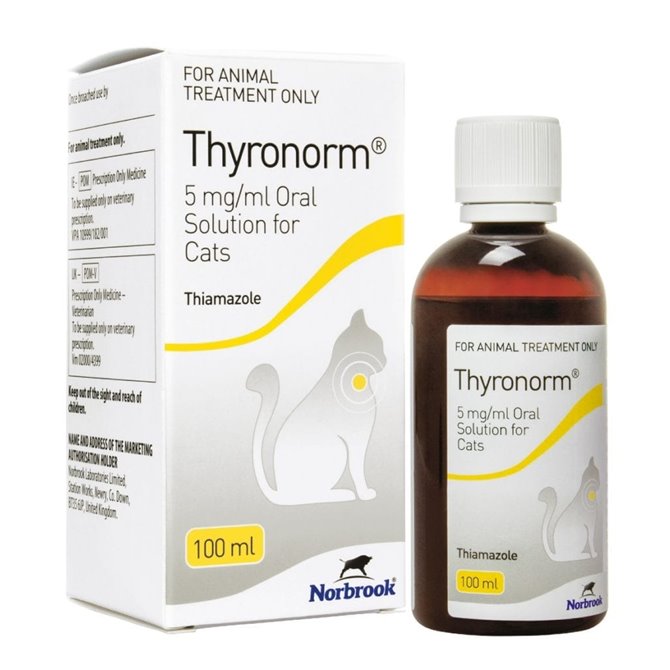
100ml Thyronorm for Cats 5mg/ml Oral Solution
799683
100ml Thyronorm for Cats is a prescription oral solution used to help manage overactive thyroid function in cats.
Thyronorm is supplied as a liquid at a strength of 5mg/ml thiamazole, so each dose can be measured accurately and repeated consistently. This allows your vet to tailor the dose to your cat and to adjust it as blood results change over time. The liquid can be useful for cats that struggle with tablets or need smaller dose changes. Treatment is usually started after hyperthyroidism has been confirmed by a veterinary examination and blood testing, and it may be used either as long‑term medical management or as a way to stabilise a cat before another treatment option.
Thyronorm for Cats is not a general supplement and it should only be used under veterinary direction, because the aim is to reduce thyroid hormone levels into a safe range without pushing them too low.
VET PRESCRIPTION REQUIRED
Product Features
- Pack Size: - 100ml Bottle
- Target Animal: - Cat (Feline)
- Related Condition: - Hyperthyroidism in cats
- Pet Prescription Required?: - Yes
- Active Ingredient: - Thiamazole
- Product Name: - Thyronorm for Cats
More Information
Description
Thyronorm may only be supplied with a valid veterinary prescription issued by your vet. You should only purchase Thyronorm if you have or are in the process of arranging such a prescription. See information bar for further details.
Hyperthyroidism in cats occurs when the thyroid glands in the neck produce too much thyroid hormone, usually due to benign enlargement of the gland tissue. Thyroid hormone affects the speed of the body’s metabolism, so an excess can make many systems work harder than they should, including the heart, gut, and nervous system. Most cats are diagnosed in later life after signs such as weight loss despite a strong appetite, increased thirst and urination, restlessness, and changes in digestion including vomiting or diarrhoea. Some cats become unusually vocal or constantly hungry, while others seem quieter because they feel unwell. Because the heart is asked to pump faster and harder, some cats develop a rapid heart rate or high blood pressure, and this can contribute to weakness, panting, or reduced tolerance for activity. The signs can overlap with other illnesses seen in older cats, so diagnosis typically involves blood tests and may include checks such as blood pressure measurement or a heart assessment. Treating hyperthyroidism helps improve comfort and reduces long‑term strain on organs, and your vet may recommend Thyronorm for Cats as part of that plan.
Thyronorm for Cats works by reducing the production of thyroid hormones within the thyroid gland. The active ingredient, thiamazole, blocks steps the thyroid gland uses to make thyroid hormone from iodine, so less hormone is released into the bloodstream. It does not remove the underlying thyroid change, which means it controls the condition rather than curing it, and many cats stay on medication long term unless radioiodine or surgery is chosen. Because existing hormone levels take time to fall, improvements are usually gradual over days to a few weeks, rather than overnight. As levels stabilise, cats often gain weight more appropriately, drink less, and seem calmer. Your vet will use follow‑up blood tests to guide dose adjustments and to aim for good control without tipping into hypothyroidism. Many cats need the dose reviewed over time, and you should not change the amount or timing without veterinary advice, even if your cat seems better. Thyronorm for Cats allows dose changes to be made in small, precise steps, which is helpful when the target dose falls between standard tablet sizes.
To use 100ml Thyronorm for Cats safely, follow the dosing instructions provided by your veterinary surgeon and the product leaflet. The bottle is normally used with a dosing syringe or adaptor so you can measure the exact volume prescribed, and it is worth checking the syringe markings in good light each time. Administer the liquid gently into the side of the mouth and allow your cat time to swallow, rather than squirting it quickly. Give doses at consistent times, because this helps keep hormone control steady from one day to the next and makes monitoring results easier to interpret. If your cat will not take the medicine, speak to your vet before trying to mix it into a full meal, as uneaten food can mean a missed dose and a sudden rise in thyroid hormone levels. Keep the syringe clean and avoid contaminating the tip. If a dose is missed, do not double up unless your vet advises it. Wash your hands after dosing and store the bottle as directed on the packaging, away from children and other pets.
Regular monitoring is a normal part of treatment with Thyronorm for Cats, especially during the first months and after any dose change. Blood tests confirm that thyroid hormone levels are controlled and help your vet check kidney and liver values as the metabolism returns to normal. Your vet may also check a blood count, because uncommon but important reactions can affect blood cells, and early detection makes management safer. Some cats experience mild side effects such as reduced appetite, vomiting, or lethargy, particularly when starting treatment. Less commonly, skin irritation or facial itching can occur, and any signs of bruising, unusual bleeding, jaundice, or marked weakness should be treated as urgent. Contact your practice promptly if you are concerned, and tell the vet about any other medicines or supplements so Thyronorm for Cats can be used as safely as possible. Over the long term, dose adjustments may be needed as your cat ages or if other conditions develop.
Living with feline hyperthyroidism often involves a few practical habits alongside Thyronorm for Cats. Weigh your cat regularly and note changes in appetite, water intake, activity, and litter tray output, as these can be useful indicators between check‑ups. Some older cats have early kidney disease, and lowering thyroid levels can make kidney issues more noticeable, so scheduled follow‑up tests are important even when your cat seems improved. Your vet may also discuss heart support or blood pressure management if your cat has complications, and these treatments can sit alongside thyroid control when needed. Discuss feeding with your vet if your cat has lost muscle, has dental problems, or needs a diet that supports the kidneys or the heart. Plan ahead for weekends, holidays, or travel so doses stay consistent and you always have enough Thyronorm for Cats available.
How quickly will my cat improve after starting Thyronorm?
Many cats start to show gradual improvement within days to a few weeks, but the exact timeline varies. Because hormone levels fall over time, changes in appetite, drinking, and behaviour are not usually immediate. Your vet will schedule blood tests to assess response and adjust Thyronorm for Cats if needed.
How do I give 100ml Thyronorm for Cats?
Measure the prescribed dose using the supplied syringe or adaptor and give it gently into the side of your cat’s mouth. Aim for consistent timing each day so results are more predictable. If your cat struggles, speak to your vet for technique tips rather than changing how you give Thyronorm for Cats on your own.
What monitoring does my cat need while on Thyronorm?
Monitoring usually includes repeat blood tests to check thyroid hormone levels and to assess kidney and liver values as the body adjusts. Your vet may also check a blood count, particularly early on or after dose changes. These checks help ensure Thyronorm for Cats is effective and well tolerated over time.
What side effects should I watch for?
Some cats develop reduced appetite, vomiting, or lethargy, especially when treatment begins or the dose changes. Less commonly, itching or skin irritation can occur. Signs such as bruising, unusual bleeding, marked weakness, or yellowing of the gums need urgent veterinary advice, as they may indicate a more serious reaction.
What should I do if I miss a dose of Thyronorm?
If you miss a dose, give the next dose at the usual time unless your vet instructs otherwise. Do not automatically double the amount to ‘catch up’, because this can increase the risk of side effects. Make a note of the missed dose and mention it at your next review of Thyronorm for Cats.
Can hyperthyroidism affect kidney disease in cats?
Yes. Hyperthyroidism can mask early kidney disease because the increased metabolism and blood flow can make kidney values look better than they truly are. Once thyroid levels are controlled, underlying kidney issues may become more apparent. This is one reason vets monitor kidney function closely during treatment.
You may also like
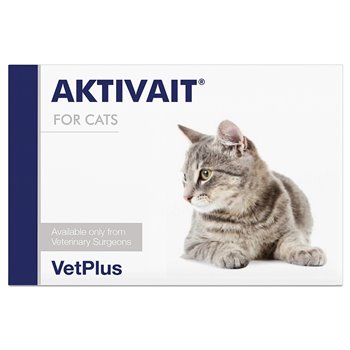
Aktivait Capsules for Cats - Pack of 60
Aktivait for Cats: Cognitive Health Support for Ageing Cats
Aktivait for Cats is a scientifically formulated supplement that supports brain health in older cats. As cats age, cognitive decline can affect their behaviour, memory, and quality of life. Aktivait combines a unique blend of antioxidants, essential nutrients, and neuroprotective ingredients that help maintain mental sharpness and promote overall cognitive function.
Designed for long-term use, Aktivait is an effective way to support your cat’s brain health and improve their mental wellbeing as they age.
How Aktivait for Cats Works
Ageing can bring changes to the brain that impact a cat's memory, behaviour, and ability to learn. These changes are often caused by oxidative stress, which damages brain cells over time. Reduced blood flow, inflammation, and declining levels of essential neurotransmitters can also contribute to cognitive dysfunction.
Aktivait for Cats is formulated to counteract these age-related changes by:
- Combating oxidative stress: Antioxidants in Aktivait neutralise free radicals, reducing damage to brain cells and promoting healthy cognitive function.
- Supporting neurotransmitter production: Ingredients like acetyl-L-carnitine help maintain the levels of neurotransmitters, which are essential for communication between brain cells.
- Improving energy metabolism: Coenzyme Q10 and other nutrients enhance cellular energy production, ensuring that brain cells function efficiently.
- Reducing inflammation: Aktivait includes omega-3 fatty acids, which have anti-inflammatory properties that protect the brain and support overall cognitive health.
These ingredients work together to help maintain your cat’s memory, alertness, and quality of life as they age.
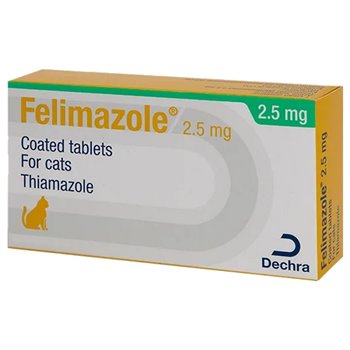
2.5mg Felimazole Tablet for Cats - per Tablet
2.5mg Felimazole is indicated for both the stabilisation of feline hyperthyroidism prior to surgical thyroidectomy and for the long-term treatment of feline hyperthyroidism.
Hyperthyroidism is a common endocrine disorder in cats, characterised by an overproduction of thyroid hormone, which can lead to health issues, including weight loss, increased appetite, and heart disease. Managing Hyperthyroidism is crucial for maintaining your cat's health and quality of life. One of the most effective treatments for Hyperthyroidism is Felimazole 2.5mg for Cats.
Felimazole regulates thyroid hormone production in cats. By inhibiting the synthesis of thyroid hormones, 2.5mg Felimazole for Cats effectively brings the levels of these hormones back to normal, alleviating the symptoms associated with hyperthyroidism.
VET PRESCRIPTION REQUIRED
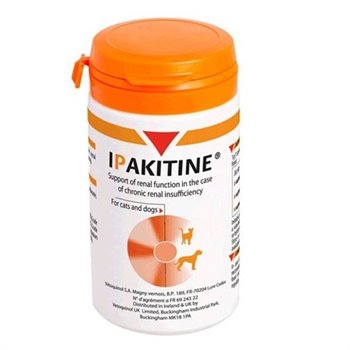
Ipakitine Powder for Kidney Failure - 60g
Ipakitine Powder for Dogs and Cats – Support for Chronic Kidney Function
Ipakitine Powder is a nutritional supplement formulated to support kidney function in dogs and cats suffering from chronic renal insufficiency. It contains a combination of active ingredients that help manage phosphate levels and support metabolic balance, which are essential in the long-term management of chronic kidney disease (CKD). Ipakitine is typically used alongside a renal diet and under veterinary supervision.
Chronic renal insufficiency, also known as chronic kidney disease, is a progressive condition that affects the kidneys' ability to filter waste products and maintain fluid and electrolyte balance. It is particularly common in older cats and dogs, although it can occur at any age due to genetics, infections, or other underlying health conditions. Managing CKD requires a comprehensive approach that includes dietary changes, medications, and supportive supplements such as Ipakitine.
Understanding Chronic Renal Insufficiency in Dogs and Cats
The kidneys perform several vital functions in the body, including removing waste products from the bloodstream, regulating fluid and mineral levels, producing hormones, and helping to maintain blood pressure. In animals with chronic renal insufficiency, kidney function gradually declines over time. As this happens, waste products such as urea and creatinine accumulate in the blood, leading to a variety of clinical symptoms.
60g Pot
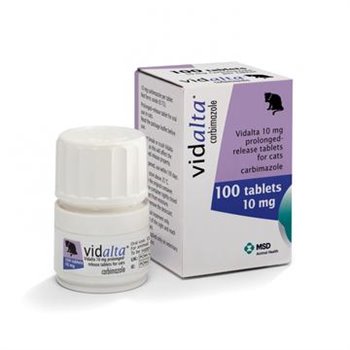
Vidalta 10mg Tablet for Cats - per Tablet
Vidalta 10mg is a prescription medication used to manage hyperthyroidism in cats. It contains the active ingredient carbimazole, which helps regulate excessive thyroid hormone production. Vidalta is designed for long-term use and is available in a controlled-release tablet formulation.
What is Hyperthyroidism in Cats?
Hyperthyroidism is a common endocrine disorder in older cats. It occurs when the thyroid glands produce an excessive amount of thyroid hormones, particularly thyroxine (T4). These hormones regulate metabolism, and when levels become too high, a cat’s body functions accelerate beyond normal rates.
Hyperthyroidism affects multiple organs and systems. The increased metabolic rate can lead to significant weight loss, despite an increased appetite. Cats with this condition often experience behavioural changes, digestive issues, and heart problems if left untreated.
Signs of Hyperthyroidism in Cats
Cats with hyperthyroidism often display noticeable behavioural and physical changes. Common symptoms include:
- Weight loss despite an increased appetite
- Hyperactivity or restlessness
- Excessive thirst and urination
- Vomiting or diarrhoea
- Poor coat condition or hair loss
- Increased heart rate (tachycardia)
- Weakness or muscle wasting
- Changes in behaviour, including aggression or vocalisation
If hyperthyroidism is left untreated, it can lead to secondary complications, including high blood pressure (hypertension), heart disease, and kidney problems.
VET PRESCRIPTION REQUIRED
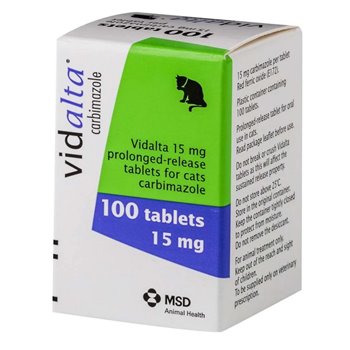
Vidalta 15mg Tablet for Cats - per Tablet
Vidalta 15mg is a prescription-only veterinary medicine used to treat hyperthyroidism in cats. Each modified-release tablet contains 15 milligrams of the active substance carbimazole. The treatment is designed to control the overproduction of thyroid hormones by the thyroid gland, helping to manage the symptoms of hyperthyroidism and improve your cat’s overall health and wellbeing.
What is Hyperthyroidism in Cats?
Hyperthyroidism is a common endocrine disorder affecting middle-aged and older cats. It occurs when the thyroid gland, located in the neck, becomes overactive and produces excessive amounts of thyroid hormones, particularly thyroxine (T4). These hormones regulate the body’s metabolism, so when their levels are too high, the cat’s metabolism speeds up significantly.
The condition is usually caused by a benign tumour on the thyroid gland, known as an adenoma. In rare cases, it can be caused by a malignant tumour. As the disease progresses, it places strain on the heart, liver, kidneys, and other vital organs. Early diagnosis and appropriate treatment are crucial to managing the condition effectively.
VET PRESCRIPTION REQUIRED
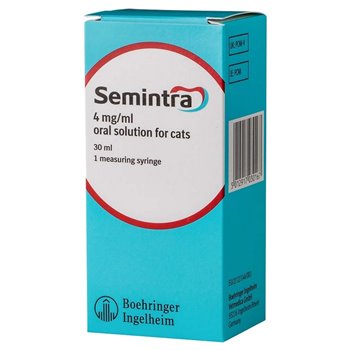
Semintra Oral Solution for Cats - 30ml
Semintra for Cats is an oral medicine used in cats with chronic kidney disease (CKD) when there is excess protein in the urine (proteinuria). This 30ml bottle is a convenient option for smaller cats, for cats starting treatment, or where a smaller bottle suits your dispensing routine. Semintra is used under veterinary direction, because CKD care needs individual assessment and ongoing checks.
What is Semintra
Semintra contains telmisartan. Telmisartan belongs to a group of medicines called angiotensin II receptor blockers (ARBs). In cats with CKD, the kidney’s filtering units can become damaged and allow protein to leak into the urine. Semintra is used to reduce this protein loss.
Proteinuria matters because it is linked with faster progression of kidney damage in many cats. Reducing protein loss can therefore be an important treatment goal alongside diet and supportive care.
How Semintra works
Healthy kidneys filter waste into the urine while keeping most proteins in the bloodstream. In CKD, the tiny filters (glomeruli) and the surrounding tissue can be injured. This damage can increase pressure inside the filters and weaken the barrier that normally holds protein back.
Angiotensin II is a natural hormone that helps regulate blood pressure and fluid balance. In kidney disease, its effects can contribute to higher pressure within the glomeruli. Telmisartan blocks angiotensin II at specific receptors. This can lower pressure in the filters and reduce protein leakage into the urine. Your vet will usually monitor response with urine testing over time.
Telmisartan can also influence blood pressure. Cats with CKD can develop high blood pressure without obvious signs. Blood pressure monitoring is therefore common in CKD plans, even when Semintra is prescribed primarily for proteinuria.
30ml. VETERINARY PRESCRIPTION REQUIRED
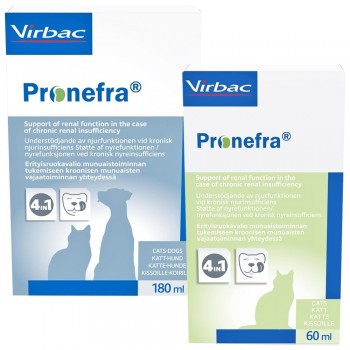
Pronefra for Cats and Dogs - 180ml
Pronefra for Cats and Dogs is a unique 4-in-1 oral suspension to support the normal function and health of kidneys in cats and dogs.
Pronefra’s formula is based on the combination of 5 ingredients: Calcium Carbonate & Magnesium Carbonate – Limits the bioavailability of phosphate. Chitosan – Binds uraemic toxins. Polysaccharides of Astragales – Helps maintain normal kidney architecture. Natural Vasoactive Marine Oligopeptides – Helps to maintain balanced blood pressure.
180ml Syringe
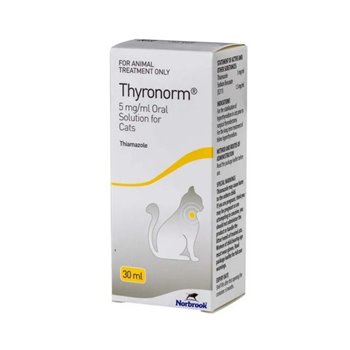
30ml Thyronorm for Cats 5mg/ml Oral Solution
Managing Hyperthyroidism in Cats
Thyronorm 30ml is a veterinary medicine formulated to treat hyperthyroidism in cats. It contains the active ingredient thiamazole, which helps regulate the production of thyroid hormones. Hyperthyroidism is a common condition in older cats, leading to weight loss, increased appetite, hyperactivity, and other metabolic changes.
Hyperthyroidism occurs when the thyroid gland produces excessive amounts of thyroxine (T4), a hormone responsible for regulating metabolism. Elevated thyroid hormone levels can cause a range of symptoms that affect a cat’s overall health. Without treatment, the condition can lead to complications affecting the heart, kidneys, and other organs.
Thyronorm helps control thyroid hormone production, restoring balance to the cat’s metabolism. Proper management of hyperthyroidism can improve quality of life and reduce the risk of long-term complications.
How 30ml Thyronorm Works
Thyronorm contains thiamazole, a medication that inhibits the excessive production of thyroid hormones. It works by blocking the enzyme thyroid peroxidase, which is essential for the synthesis of thyroxine (T4) and triiodothyronine (T3). By reducing hormone production, Thyronorm helps regulate metabolism and alleviates the symptoms of hyperthyroidism.
Thiamazole does not cure hyperthyroidism but provides ongoing management of the condition. Regular administration is necessary to maintain stable thyroid hormone levels. Adjustments to dosage may be required based on veterinary monitoring and blood test results.
VET PRESCRIPTION REQUIRED