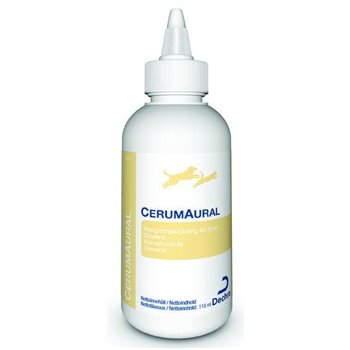
Ear Problems in Dogs and Cats are common, but they should never be ignored when a pet appears uncomfortable. The external ear canal is warm and naturally contains small amounts of wax, bacteria and yeast, so changes in moisture, skin health or ventilation can quickly cause irritation. Early signs may include head shaking, scratching, rubbing the face, redness of the pinna, an unpleasant odour or visible discharge.
Some pets become reluctant to have the affected side touched, while others seem quieter, sleep poorly or hold one ear differently. Ear Problems in Dogs and Cats range from mild cerumen build-up to painful otitis externa, and the correct response depends on the cause. Prompt attention can reduce inflammation, prevent self-trauma and make treatment easier. This category includes products intended for cleansing, wax removal and routine care, but a product should match the individual pet’s symptoms and diagnosis.
A veterinary examination is particularly important when discomfort is marked, symptoms return repeatedly or the ear canal cannot be seen clearly because of swelling or debris. Because cats and dogs often hide discomfort, owners may notice a change in behaviour before obvious discharge appears. Reduced appetite, reluctance to chew, avoiding contact around the head or suddenly resisting a collar can all justify a closer look. Even apparently mild Ear Problems in Dogs and Cats can become more painful as inflammation narrows the canal and traps additional moisture and debris.
Several factors can contribute to Ear Problems. Dogs with pendulous ears, narrow canals, heavy hair growth or a tendency to swim may retain more moisture and have poorer airflow. Allergic skin disease, including atopic dermatitis and food-responsive disease, is a frequent underlying factor in recurrent canine ear inflammation. Bacterial organisms and Malassezia yeast may then multiply as secondary infections within an already inflamed canal. Cats can develop otitis from ear mites, especially Otodectes cynotis, although mites can affect dogs as well. Foreign material such as a grass seed may cause sudden, one-sided pain and vigorous head shaking, while polyps, trauma and less common growths can also alter the ear canal. Ear Problems in Dogs and Cats may therefore look similar even when their causes are very different. Cleaning alone will not remove a foreign body or control an untreated allergy, and an antibiotic product will not treat mites unless it contains an appropriate antiparasitic ingredient.
Common signs that deserve attention include:
- Your pet may shake their head repeatedly or scratch around one or both ears.
- The ear flap or canal may look red, swollen, moist or unusually warm.
- Brown, black, yellow or creamy exudate may be visible around the canal entrance.
- A sour, musty or strong odour may develop as yeast or bacteria proliferate.
- Your pet may yelp, pull away or become defensive when the ear is approached.
- Loss of balance, a head tilt or abnormal eye movements may indicate deeper ear involvement.
A vet may assess Ear Problems by examining the pinna and canal with an otoscope, checking whether the tympanic membrane appears intact and taking a sample for cytology. Microscopic examination can help distinguish cocci, rod-shaped bacteria, Malassezia yeast and ear mites, allowing treatment to be chosen more accurately. Culture and sensitivity testing may be advised when infection is severe, recurrent or unresponsive to previous medication. Seek prompt veterinary advice if there is significant pain, bleeding, sudden hearing loss, facial weakness, a persistent head tilt, poor balance or rapid involuntary eye movements. These signs can be associated with a foreign body, damage to the eardrum, otitis media or inner-ear disease. Ear Problems in Dogs and Cats also require veterinary assessment when the canal is closed by swelling or packed with discharge, because forceful cleaning may be painful and could push material deeper. Never insert cotton buds into the canal, and do not apply human ear drops, essential oils, peroxide or homemade acidic mixtures without professional advice.
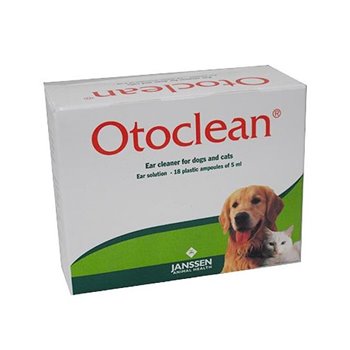
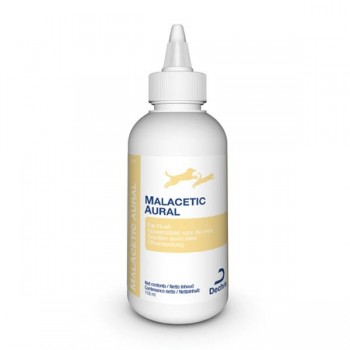
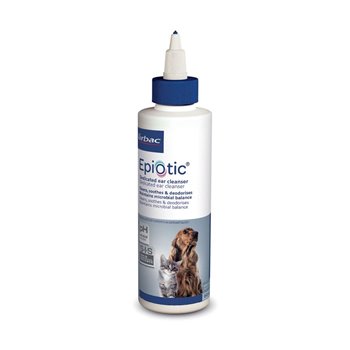
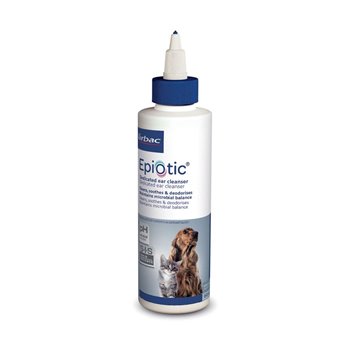
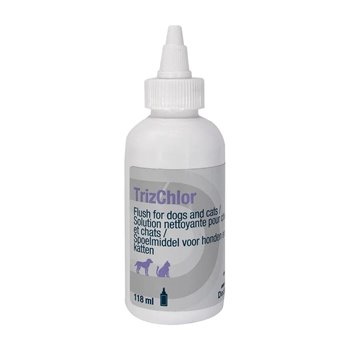
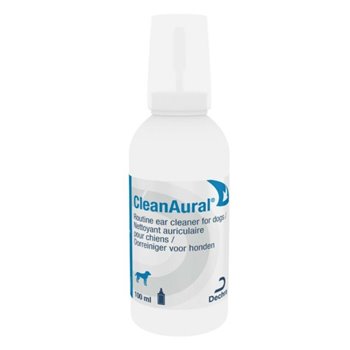
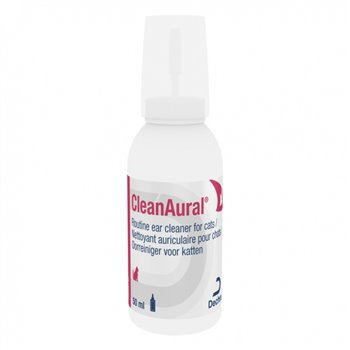
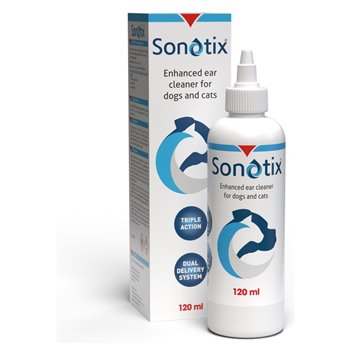
Products for Ear Problems in Dogs and Cats serve different purposes. A veterinary ear cleanser may soften cerumen, lift debris and create conditions that are less favourable to excessive microbial growth. Some formulations are designed for routine maintenance, while stronger ceruminolytic cleaners may be used where wax is heavier. Medicated drops can combine antibacterial, antifungal, anti-inflammatory or antiparasitic ingredients, depending on the diagnosed condition. Prescription treatments for Ear Problems such as Neptra must be supplied against a valid veterinary prescription and used exactly as directed, including the stated dose, frequency and treatment period. Before choosing any cleaner, check whether it is suitable for dogs, cats or both, as species compatibility and active ingredients matter. The eardrum’s condition is also important because some substances should not be used when the tympanic membrane may be damaged. Where a vet has prescribed drops alongside cleansing, follow the advised order and interval so that cleaner does not dilute or remove the medication. If uncertainty remains, the prescribing practice can confirm the correct routine.
Successful management of Ear Problems in Dogs and Cats depends on gentle application and regular review. Warm a bottle in your hands, lift the ear flap without pulling, apply the advised amount and massage the base of the ear only if your pet tolerates it. Allow the pet to shake, then wipe material from the visible folds with soft cotton wool or gauze; do not probe into areas you cannot see. Wash your hands between ears when only one side is affected, and clean applicator tips without touching them against inflamed skin. Improvement may include less scratching, reduced odour and a calmer response to handling, but medication should not be stopped early unless the vet advises it. Recurrent Ear Problems in Dogs and Cats often need investigation beyond the immediate infection, with attention to allergies, parasites, skin disease, moisture exposure and ear anatomy. Regular checks after bathing, swimming or grooming can identify changes early, while excessive preventive cleaning may itself irritate sensitive canals. Arrange a reassessment if symptoms worsen, discharge changes, pain persists or the problem returns soon after treatment.
What are the most common signs of ear problems in dogs and cats?
Common signs include repeated head shaking, scratching, redness, swelling, excess wax, discharge and an unpleasant smell. Your pet may also avoid having the head touched or seem unusually irritable. Pain, bleeding, a head tilt, loss of balance or abnormal eye movements require prompt veterinary attention.
What causes recurring ear infections in dogs?
Recurring canine ear infections are often linked to an underlying problem rather than repeated bad luck. Allergic skin disease, food sensitivity, narrow or hairy canals, moisture after swimming and hormonal disorders can predispose the ear to inflammation. Bacteria or Malassezia yeast may then multiply and cause secondary infection.
Can cats and dogs both get ear mites?
Yes. Ear mites, usually Otodectes cynotis, can affect both cats and dogs, although they are especially common in kittens, young cats and pets from multi-animal environments. They may cause intense itching and dark, crumbly debris. A vet can confirm mites and recommend treatment for every susceptible pet in the household.
How can I tell ear mites from an ear infection?
Ear mites often produce intense itching and dark material resembling coffee grounds, but bacterial and yeast infections can cause similar signs. Appearance alone is not reliable. A vet may examine debris under a microscope and inspect the canal, helping distinguish mites, yeast, bacteria, inflammation and possible foreign material.
When should my pet see a vet for an ear problem?
Arrange a veterinary examination when the ear is painful, swollen, smelly, discharging or repeatedly troublesome. Urgent advice is appropriate for bleeding, sudden hearing changes, severe distress, a head tilt, poor balance, facial weakness or unusual eye movements. These signs may indicate a foreign body or deeper ear disease.
Can I clean my dog’s or cat’s ears at home?
Home cleaning can be appropriate with a veterinary ear cleanser that is suitable for your pet and their ear condition. Apply it gently and wipe only the visible folds. Do not insert cotton buds into the canal. Pain, heavy discharge, marked swelling or a possible damaged eardrum should be assessed before cleaning.
How often should I clean my pet’s ears?
There is no single schedule for every pet. Healthy ears may need little or no routine cleaning, while pets prone to wax, swimming or recurrent otitis may need a vet-recommended programme. Excessive cleaning can irritate the canal, so frequency should reflect ear anatomy, skin health, product instructions and veterinary advice.