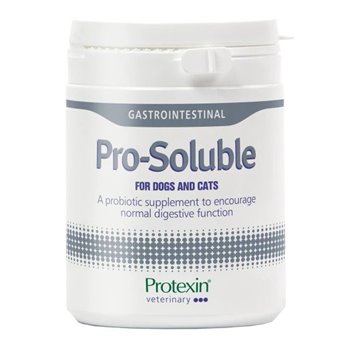
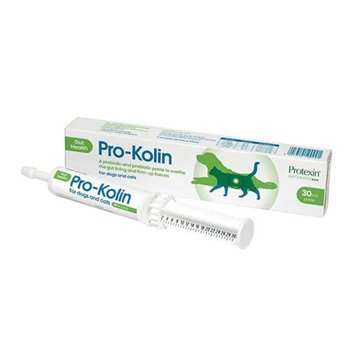
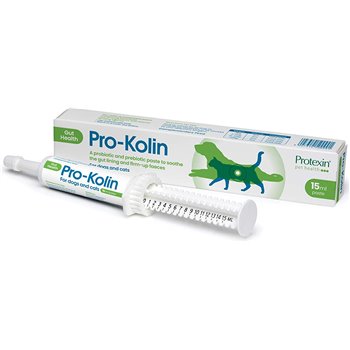
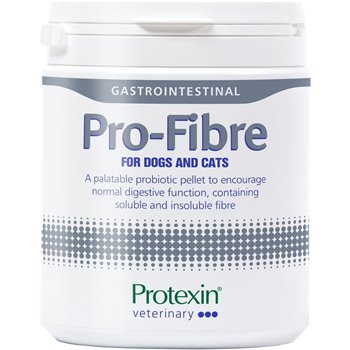
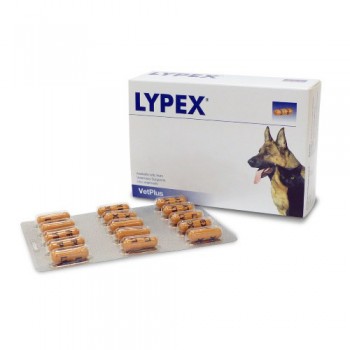
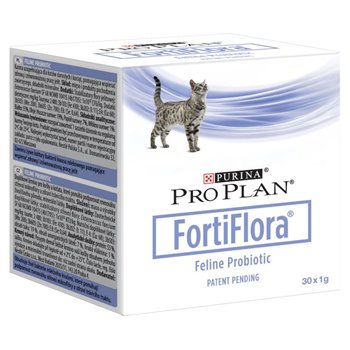
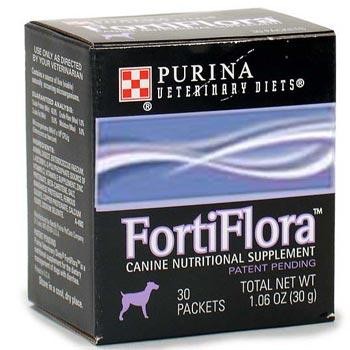
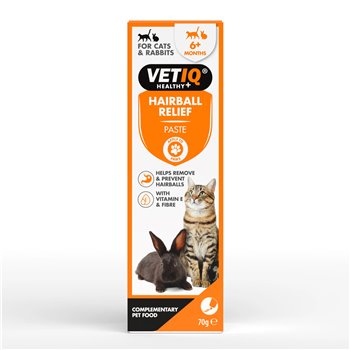
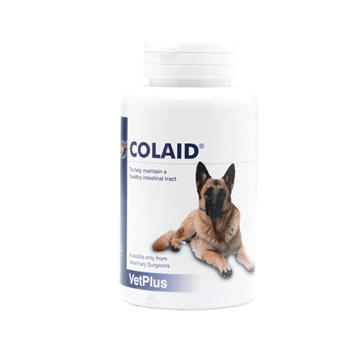
Digestive Support for Dogs and Cats can be helpful when a pet has an unsettled stomach, loose stools, excess wind or a change in bowel habits, provided there are no signs that urgent veterinary care is needed. The digestive tract is responsible for breaking down food, absorbing nutrients and maintaining a balanced intestinal environment, so even a mild disturbance can affect appetite, comfort and energy levels. This category brings together probiotic pastes, powders, sachets, capsules, fibre supplements and other products designed to support normal gastrointestinal function.
Digestive Supplements are not a substitute for diagnosing the cause of illness, and the most suitable choice will depend on the animal’s species, age, symptoms, medical history and any advice already given by a veterinary surgeon. Some products are intended for short periods of digestive upset, while others are better suited to regular nutritional support or the management of an established condition u...
Digestive Support for Dogs and Cats can be helpful when a pet has an unsettled stomach, loose stools, excess wind or a change in bowel habits, provided there are no signs that urgent veterinary care is needed. The digestive tract is responsible for breaking down food, absorbing nutrients and maintaining a balanced intestinal environment, so even a mild disturbance can affect appetite, comfort and energy levels. This category brings together probiotic pastes, powders, sachets, capsules, fibre supplements and other products designed to support normal gastrointestinal function.
Digestive Supplements are not a substitute for diagnosing the cause of illness, and the most suitable choice will depend on the animal’s species, age, symptoms, medical history and any advice already given by a veterinary surgeon. Some products are intended for short periods of digestive upset, while others are better suited to regular nutritional support or the management of an established condition under veterinary supervision. Some products may also be used during dietary transitions, periods of stress or recovery from a temporary digestive disturbance, subject to their label directions.
Diarrhoea is a symptom rather than a disease in its own right. It may follow scavenging, a sudden change of food, eating something unusually rich, travel, stress or a temporary alteration in the intestinal microbiome. It can also be associated with parasites, bacterial or viral infections, adverse reactions to medication, food sensitivity, inflammatory gastrointestinal disease, pancreatic disorders or illness affecting another organ system. The appearance and frequency of the stools, the presence of mucus or blood, and whether the pet is otherwise bright and eating normally all help a vet assess the likely significance. Digestive Supplements may be appropriate for mild, uncomplicated digestive disturbance, but products should not be used to delay veterinary examination when an animal is unwell. Digestive Supplements should be selected particularly carefully for puppies, kittens, elderly animals and pets with diabetes, kidney disease, liver disease, pancreatitis or other ongoing medical problems, because these animals may become dehydrated or deteriorate more quickly.
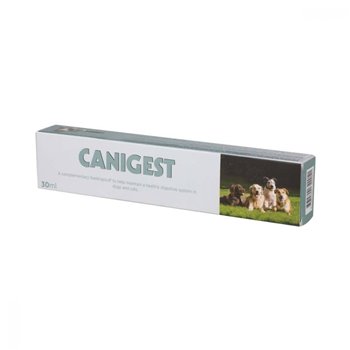
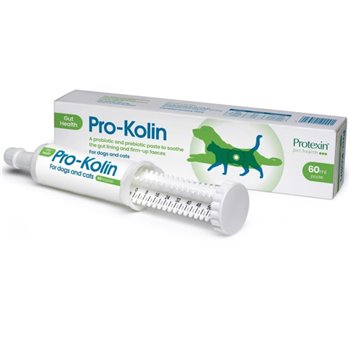
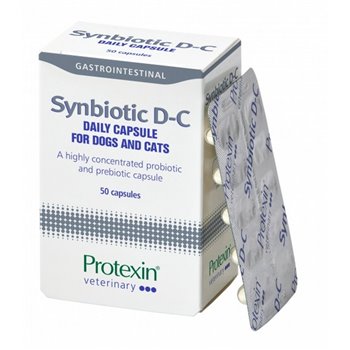
Many digestive products work by supporting the environment within the intestines rather than by acting as conventional medicines. Probiotics contain selected live microorganisms intended to support the balance of the gut microbiota, while prebiotics are nutrients that help beneficial intestinal bacteria to grow. A product containing both may be described as a synbiotic. Some digestive pastes also include ingredients such as kaolin and pectin, which can help support normal stool consistency and are supplied in a format that is often easy to measure. Powders and sachets may be convenient for mixing with food, while capsules can suit pets that take tablets readily or products designed for longer-term use. Digestive Support Supplements also includes fibre-based products, which have a different purpose from probiotics and may help support healthy bowel function and stool formation.
The most suitable format is usually the one that matches both the pet’s needs and the owner’s ability to give it consistently. A calibrated paste may be convenient during a short period of loose stools because the amount can be measured directly, whereas a powder, sachet or capsule may fit more easily into an established feeding routine. Fibre supplements may be considered where additional dietary fibre has been recommended, but they are not interchangeable with probiotic products. Some Digestive Supplements are intended for more specialised purposes, such as pancreatic enzyme support, cobalamin supplementation, hairball management or constipation. These should not be selected simply because a pet has diarrhoea, as they address different aspects of digestive health and some are most appropriate after a veterinary diagnosis. When comparing Digestive Support for Dogs and Cats, check the species, age or weight guidance, the method and frequency of administration, the length of intended use and whether the product is suitable alongside the pet’s current diet and medication.
Always follow the directions on the individual product, even when a pet has previously used a similar supplement. Different pastes, powders and capsules may contain different strains of microorganisms, concentrations of fibre or additional ingredients, so their serving instructions are not automatically interchangeable. Introduce any food-related product as directed and avoid giving several forms of Digestive Supplements together unless a vet has advised that combination. Human anti-diarrhoeal medicines, painkillers and leftover prescription products should never be given without veterinary authorisation, as some are unsuitable or dangerous for animals and may mask important symptoms. Fresh drinking water should remain available unless a vet has instructed otherwise, and owners should monitor appetite, water intake, activity, vomiting and stool changes. Digestive Support for Dogs and Cats may also need to be discussed with a vet before use in pregnant or nursing animals, pets receiving prescription medication, or animals with recurrent gastrointestinal signs, because ongoing symptoms may require diagnostic tests rather than repeated supplementation.
Contact a veterinary practice promptly if diarrhoea is severe, repeatedly watery, contains fresh blood, appears black or tar-like, or occurs alongside repeated vomiting, abdominal pain, swelling, weakness, collapse, marked lethargy or refusal of food or water. Veterinary advice is also important when there is concern about dehydration, a possible toxin or foreign object, unexplained weight loss, fever, pale gums, persistent straining or repeated episodes that keep returning. Very young, elderly or medically vulnerable pets should be assessed sooner because they have less reserve when fluid and electrolytes are being lost. Digestive Support for Dogs and Cats can assist with appropriate nutritional or gastrointestinal support, but it cannot identify parasites, infection, obstruction, pancreatic disease or another underlying disorder. When a vet has examined the pet, Digestive Supplements may be recommended alongside dietary management, prescribed treatment or diagnostic monitoring, with the product chosen according to the animal’s individual clinical needs.