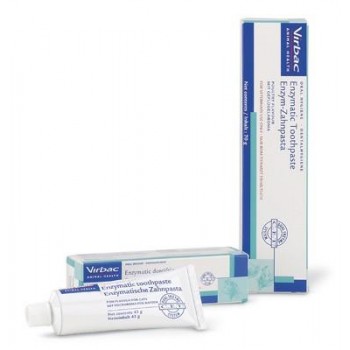
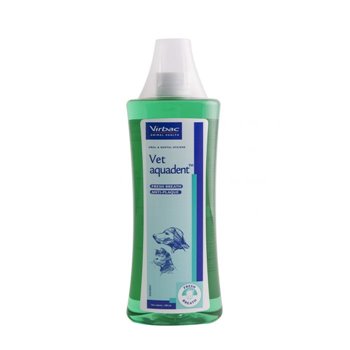
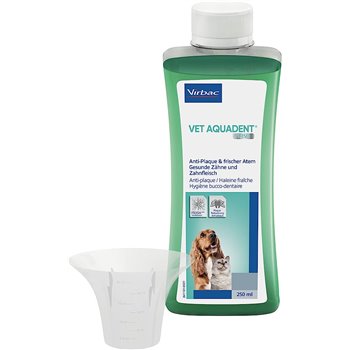
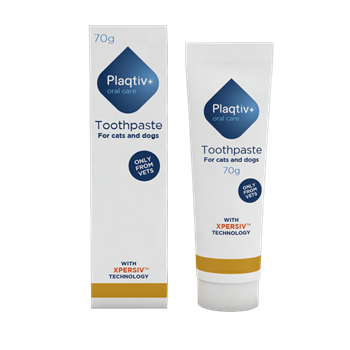
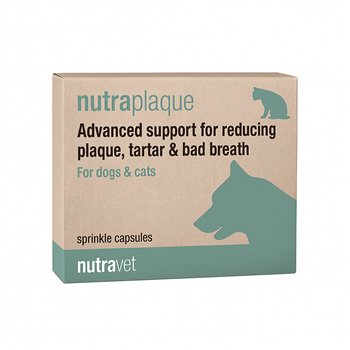
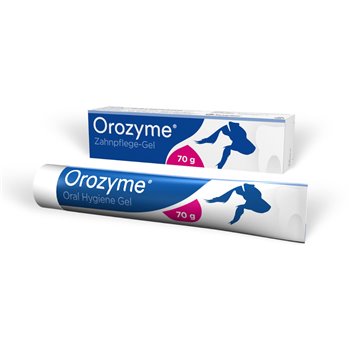
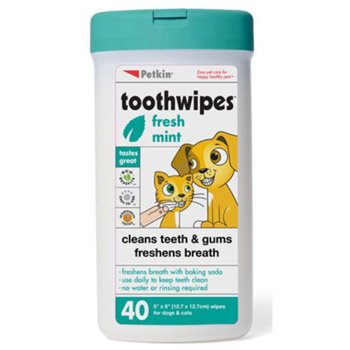
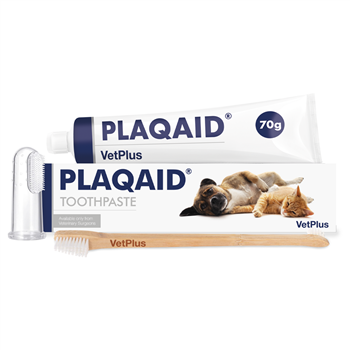
Pet Dental Care Products for Dogs and Cats can make regular oral hygiene easier by offering several ways to care for the teeth and gums at home. Our range includes pet toothpaste, toothbrushes, dental powders, water additives, oral gels, sprays, wipes and dental chews, allowing owners to choose a method their pet is likely to accept consistently.
Regular home care helps limit the accumulation of plaque, keeps the mouth more comfortable and gives owners an opportunity to notice changes early. The most suitable routine will depend on the animal’s species, age, temperament, existing dental health and willingness to have its mouth handled. Pet Dental Care Products should always be chosen for the correct species and used according to their individual directions. They are intended to assist routine oral hygiene rather than replace a veterinary examination, professional dental treatment or investigation of pain, bleeding, swelling and other signs of oral disease.
Plaque is a soft, sticky biofilm made up of bacteria, saliva and food debris that continually forms on the tooth surface. If it is not removed, minerals in the saliva can harden it into calculus, commonly called tartar. Calculus provides a rough surface on which more plaque can collect, particularly around the gum line. This may lead to gingivitis, which causes inflamed, reddened or bleeding gums, and can progress to periodontal disease affecting the tissues that anchor the teeth. Dogs and cats with dental disease may develop persistent bad breath, visible yellow or brown deposits, drooling, difficulty chewing, reduced appetite, weight loss, pawing at the mouth or reluctance to have the face touched. Some animals continue eating despite significant discomfort, so an apparently normal appetite does not rule out a painful dental problem. Pet Dental Care Products are most useful as part of prevention and ongoing care, rather than as a way to remove established calculus or treat diseased teeth.
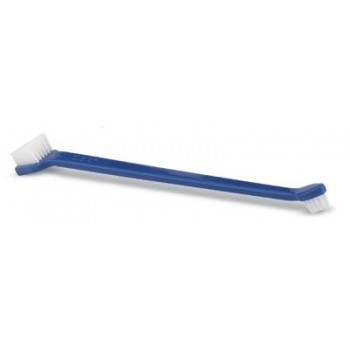
Brushing with a pet-specific toothpaste and a suitable toothbrush provides direct mechanical cleaning of the tooth surfaces and is generally the preferred form of home dental care when the animal will tolerate it. Human toothpaste should not be used because it is designed to be spat out and may contain ingredients or flavourings that are inappropriate if swallowed by a dog or cat. Introduce brushing gradually, beginning with calm handling around the head and lips before touching the teeth. A small amount of pet toothpaste can then be offered for the animal to taste, followed by brief contact with a finger brush, soft cloth or toothbrush. Concentrate on the outer surfaces of the teeth, where plaque commonly accumulates, and use gentle movements without scrubbing sore gums. Reward calm behaviour and keep early sessions short. Never force the mouth open or continue if the pet appears frightened, painful or likely to bite, because a veterinary examination may be needed before brushing is attempted.
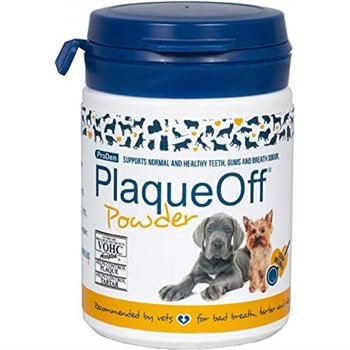
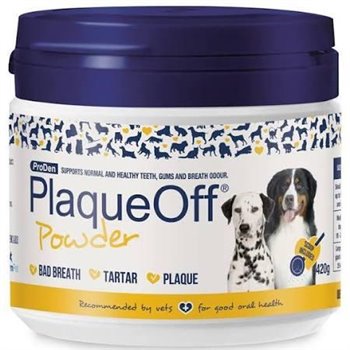
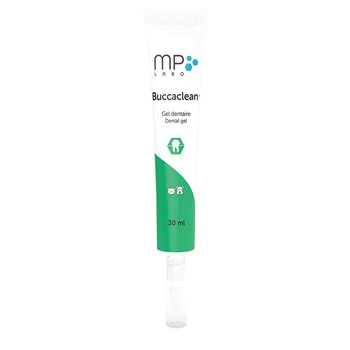
Not every dog or cat will accept tooth brushing, and other Pet Dental Products can still contribute to a manageable routine. Dental powders or capsules are usually given with food, while water additives are mixed into drinking water at the amount stated on the label. Oral gels, sprays and wipes place the product more directly around the teeth and gums, although the degree of mouth handling required varies. Dental chews and sticks provide a chewing action and may be useful for suitable dogs, but they should be the correct size, given under supervision and included within the pet’s daily calorie allowance. These alternatives do not all work in the same way and should not be assumed to provide the same level of plaque removal as brushing. Check whether a product is intended for dogs, cats or both, whether it is suitable for the animal’s age, and whether any ingredient or format is unsuitable because of an allergy, medical condition, restricted diet or swallowing difficulty.
A successful dental routine is usually one that can be carried out safely and regularly without causing distress. Start with one method rather than introducing several Pet Dental Care Products at once, as this makes it easier to judge acceptance and follow the correct directions. If brushing is possible, build up slowly towards frequent cleaning rather than expecting a full-mouth session immediately. Where a powder, additive, gel or wipe is preferred, measure it carefully and do not increase the quantity in an attempt to obtain quicker results. Drinking-water products should be prepared exactly as directed and fresh water must remain readily available. Examine the mouth regularly if the pet permits, looking for changes in breath, gum colour, tooth stability and chewing behaviour. Home care is often particularly valuable after a professional dental procedure, once the veterinary surgeon confirms that the mouth has healed sufficiently, because newly cleaned teeth can begin accumulating plaque again. Existing hard tartar, loose teeth and disease below the gum line cannot be corrected by a retail dental product alone.
Arrange a veterinary dental assessment if a dog or cat has persistent halitosis, obvious tartar, red or bleeding gums, mouth pain, facial swelling, excessive drooling, difficulty picking up or chewing food, dropping food, reduced appetite, weight loss, a broken or loose tooth, or a sudden change in behaviour when the head is touched. Urgent advice is appropriate if the animal cannot close its mouth, cannot eat because of pain, has significant bleeding, develops marked facial swelling or has suffered trauma to the teeth or jaw. Cats can also develop conditions such as tooth resorption and severe inflammatory disease of the mouth, which cannot be diagnosed from product selection alone. A veterinary dental procedure may involve a full oral examination, dental radiography, scaling, polishing and extraction of diseased teeth under general anaesthesia. Pet Dental Care Products can then be selected as part of the aftercare plan, based on the animal’s oral health, ability to tolerate handling and any instructions given by the veterinary team.
How often should I brush my dog’s or cat’s teeth?
Daily brushing is generally the most effective home-care routine because plaque forms continually. If daily brushing is not immediately achievable, begin with brief, calm sessions and increase the frequency gradually. Consistency matters more than forcing a frightened or painful pet through a long cleaning session.
Can I use human toothpaste on my dog or cat?
No. Human toothpaste may contain ingredients, detergents, sweeteners such as Xylitol that is toxic to dogs. Dogs and cats need a toothpaste formulated specifically for pets. Choose a species-appropriate product and follow its directions rather than using ordinary toothpaste, bicarbonate of soda or human mouthwash.
What can I use if my pet will not tolerate tooth brushing?
Alternatives include dental powders, water additives, oral gels, sprays, wipes and suitable dental chews. They vary in how they are used and should not automatically be considered equivalent to brushing. Choose a product your pet can tolerate safely, and ask your vet about the most appropriate option for its oral health.
Are water additives suitable for dogs and cats?
Some water additives are formulated for dogs, cats or both and can be useful where direct mouth handling is difficult. Use only the stated amount, prepare the water as directed and make sure your pet continues drinking normally. Stop using the product and seek advice if water intake falls or digestive upset develops.
What are the signs of dental disease in dogs and cats?
Possible signs include persistent bad breath, red or bleeding gums, visible tartar, drooling, difficulty chewing, dropping food, reduced appetite, weight loss, facial swelling and reluctance to have the mouth touched. Some pets conceal dental pain, so regular veterinary examinations remain important even when they appear to be eating normally.
Are dental chews enough to keep a dog’s teeth clean?
Dental chews can provide useful chewing activity and may contribute to plaque control, but they are not a complete replacement for brushing or veterinary examinations. Select the correct size, supervise your dog, account for the calories and avoid very hard items that could damage teeth. Cats should receive only products intended for cats.