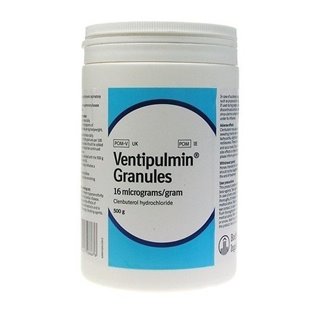
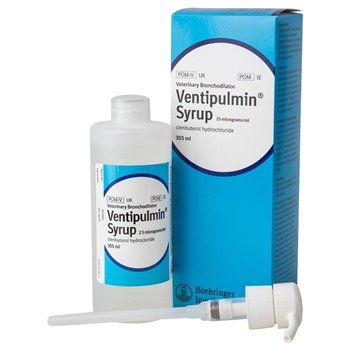
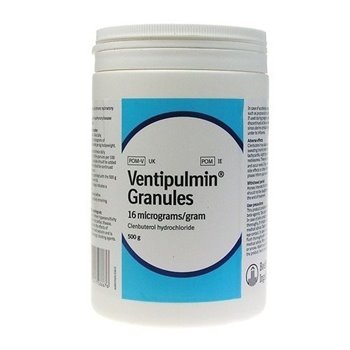
Ventipulmin for Horses is a prescription-only veterinary medicine used to help horses with respiratory disease when narrowed airways, bronchospasm or an accumulation of mucus is making breathing more difficult. Ventipulmin is supplied as a clear oral syrup containing 25 micrograms of clenbuterol hydrochloride in each millilitre.
entipulmin for Horses may be prescribed for acute, sub-acute or chronic respiratory allergies, as well as conditions such as bronchitis, bronchiolitis, bronchopneumonia and chronic obstructive pulmonary disease. It can be used on its own in suitable cases or as an adjunct to other treatment selected by the veterinary surgeon.
VETERINARY PRESCRIPTION REQUIRED
A cough, nasal discharge, poor performance or increased breathing effort can have several causes, so Ventipulmin for Horses should only be used after a veterinary assessment. The aim is to improve airflow and mucus clearance while the cause of the respiratory problem is identified and managed, rather than simply masking persistent signs that require further investigation. The 355ml bottle includes a measured-dose pump, helping the prescribed quantity be delivered consistently at each administration.
The active ingredient in Ventipulmin for Horses, clenbuterol hydrochloride, is a selective beta-2 adrenergic agonist. It binds mainly to beta-2 receptors on the smooth muscle surrounding the bronchi, activating cellular processes that allow this muscle to relax. This produces bronchodilation, widening constricted lower airways and reducing the resistance the horse must overcome when breathing. Ventipulmin for Horses also helps increase mucociliary clearance, the natural mechanism by which microscopic cilia move mucus and trapped particles upwards and out of the respiratory tract. Clenbuterol has additionally been shown to inhibit histamine release from mast cells in the lungs, which may be relevant where an allergic response contributes to bronchospasm. It is important to recognise that a bronchodilator does not remove every part of the underlying disease. It does not replace antimicrobial treatment when a bacterial infection is present, and it may be prescribed alongside anti-inflammatory medication or environmental changes when airway inflammation remains a major concern. Maximum plasma concentrations are reached within two hours of oral dosing, although response and treatment needs vary between horses.
One condition commonly associated with the use of Ventipulmin for Horses is equine asthma, particularly the severe form historically described as recurrent airway obstruction, heaves or equine COPD. Equine asthma is a chronic inflammatory disorder of the lower airways in which susceptible horses react to inhaled particles such as dust, mould spores, pollen and material from hay or bedding. Inflammation, excessive mucus secretion and increased airway sensitivity can combine with bronchospasm to restrict expiratory airflow. Signs vary with severity and may include a recurring cough, reduced stamina, slow recovery after exercise, nasal discharge, wheezing, flared nostrils, rapid breathing or visible abdominal effort during exhalation. A severely affected horse may struggle to breathe even at rest and needs prompt veterinary attention. Ventipulmin for Horses can ease the reversible bronchoconstriction and assist mucus transport, but the veterinary surgeon may also recommend clinical examination, endoscopy, respiratory sampling or other tests to distinguish asthma from infection and other pulmonary disorders.
Management of the horse’s environment is often an essential part of respiratory care, whether Ventipulmin for Horses is prescribed for equine asthma, an allergic airway problem or respiratory disease accompanied by mucus. Stable ventilation should be maximised, dusty sweeping and mucking out should be avoided while the horse is nearby, and low-dust bedding may be preferable to straw. The veterinary surgeon may advise changing forage preparation or feeding position to reduce inhalation of respirable particles, while turnout may help some horses but may worsen signs in animals affected by seasonal pasture allergens. Ventipulmin for Horses should therefore be viewed as one component of an individual treatment plan. Improvement after treatment does not mean that dust control can be abandoned, because repeated exposure may allow inflammation and airway obstruction to return. Fever, marked lethargy, thick or foul-smelling discharge, loss of appetite, rapidly worsening breathing or poor response to medication should be reported, as these signs may indicate infection or another condition requiring reassessment.
Ventipulmin is administered orally by adding the measured syrup to feed. The licensed dosage is 4ml per 125kg bodyweight twice daily, equivalent to 0.8 micrograms of clenbuterol hydrochloride per kilogram twice daily; one full depression of the supplied pump delivers 4ml. A 500kg horse would therefore receive 16ml, or four pump depressions, at each administration when that is the dose directed by the veterinary surgeon. Bodyweight should be estimated as accurately as possible, and the horse should be observed to ensure the medicated feed is eaten by the intended animal. Do not change the dose, frequency or treatment period without veterinary advice, even if respiratory signs improve quickly or appear to fluctuate. Ventipulmin for Horses may be continued for as long as the prescribing vet considers necessary, but ongoing or recurrent disease should be reviewed so that airway inflammation, infection, management factors and any concurrent medication can be addressed appropriately. If a dose is missed or feed is refused, contact the prescribing practice rather than giving extra syrup.
Ventipulmin for Horses must not be used in horses with known cardiac disease or hypersensitivity to clenbuterol. Rare adverse effects typical of beta-agonists can include sweating, particularly around the neck, muscle tremor, tachycardia, slight hypotension and restlessness; unexpected or concerning changes should be discussed with the veterinary surgeon. Clenbuterol can interact with beta-adrenergic blocking agents and can antagonise the effects of prostaglandin F2-alpha and oxytocin. When used during pregnancy, treatment must be stopped at the expected time of foaling because uterine contractions may be suppressed, so breeding mares require specific veterinary oversight. Avoid contact with skin and eyes, wash hands after administration, and do not eat, drink or smoke while handling the syrup. Ventipulmin for Horses should be stored below 25°C, protected from light and kept in its outer carton. The bottle should be used within 30 days of opening. The meat and offal withdrawal period is 28 days, and it must not be used in mares producing milk for human consumption.
What is Ventipulmin for Horses used for?
Ventipulmin for Horses is used for respiratory disease where bronchospasm, airway narrowing or mucus accumulation contributes to breathing difficulty. Veterinary surgeons may prescribe it for respiratory allergies, bronchitis, bronchiolitis, bronchopneumonia or equine COPD. It can be used alone in appropriate cases or alongside other treatments.
How does Ventipulmin work in horses?
Ventipulmin contains clenbuterol hydrochloride, a selective beta-2 agonist that relaxes smooth muscle around the bronchi. This widens constricted airways and reduces airway resistance. It also enhances mucociliary clearance, helping the respiratory tract move mucus and trapped particles towards the throat so they can be cleared more effectively.
Is Ventipulmin for Horses a steroid?
No. Ventipulmin for Horses is a bronchodilator containing clenbuterol hydrochloride, not a corticosteroid. It primarily relaxes airway smooth muscle and assists mucus clearance. A vet may prescribe a corticosteroid separately when airway inflammation needs treatment, particularly in horses with equine asthma, but the medicines have different clinical roles.
How quickly does Ventipulmin work in horses?
Clenbuterol is readily absorbed after oral administration, with peak plasma concentrations reached within approximately two hours. The time before an owner notices easier breathing or less coughing can vary according to disease severity and other treatment. Contact the vet promptly if breathing worsens or the horse is distressed at rest.
How is Ventipulmin Syrup given to a horse?
The syrup is added to feed using the pump supplied with the bottle. One full pump depression delivers 4 ml. The licensed dosage is 4 ml per 125 kg bodyweight twice daily, but the veterinary prescription must always be followed. Ensure the intended horse eats the complete medicated portion.
How long can a horse take Ventipulmin?
Treatment may continue for as long as the prescribing veterinary surgeon considers necessary. Duration depends on the cause, severity and response to treatment. Long-term or recurrent respiratory signs should be reviewed rather than managed by altering the dose at home, as environmental control or additional anti-inflammatory treatment may be required.
What side effects can Ventipulmin cause in horses?
Clenbuterol can rarely cause sweating, particularly around the neck, muscle tremor, a fast heart rate, slight low blood pressure or restlessness. These are recognised beta-agonist effects. Inform the veterinary surgeon if any adverse effect is marked, persistent or concerning, and seek urgent advice if the horse becomes acutely unwell.