Chronic Kidney Disease in cats is a long-term condition in which the kidneys gradually lose their ability to do their normal jobs. Healthy kidneys filter waste from the blood, help control fluid balance, support normal blood pressure, and play a part in red blood cell production. When Chronic Kidney Disease develops, this loss of function usually happens slowly, which is one reason many cats seem well for quite a long time before the problem is noticed. It is especially common in older cats, but it can occasionally affect younger cats too. Chronic Kidney Disease is usually progressive and cannot normally be cured, but it can often be managed successfully for months or even years, especially when changes are picked up early and your vet can tailor care to your cat’s needs.
The signs of Chronic Kidney Disease can be easy to miss at first because they often build gradually. A cat with this condition may drink more, pass more urine, lose weight, eat less, or seem less interested in play and daily routines. Some cats develop a dull coat, weakness, bad breath, nausea, or occasional vomiting. Others start sleeping more, become less sociable, or seem picky with food because they feel mildly sick rather than truly fussy. As the disease progresses, dehydration can become more obvious because damaged kidneys are less able to concentrate urine properly. This means a cat can lose a lot of water in the litter tray even while drinking more than usual. Some cats also develop constipation, muscle loss, or high blood pressure, which may not be visible at home. These changes are not unique to Chronic Kidney Disease, so they should always be assessed properly rather than assumed to be simple ageing.
Diagnosing Chronic Kidney Disease involves looking at the full clinical picture instead of relying on one result alone. Your vet will usually combine a history, physical examination, blood pressure measurement, blood tests, and urine tests. Common laboratory markers include creatinine, urea, phosphorus, and SDMA, while urinalysis can show whether the kidneys are concentrating urine well enough and whether protein is leaking into the urine. A urine protein:creatinine ratio may be used if proteinuria is suspected, because protein loss can influence prognosis and treatment choices in Chronic Kidney Disease. Imaging such as ultrasound or radiography may also be recommended to assess kidney size, shape, stones, or other structural changes. In many cases, vets use IRIS staging to grade the disease from early to advanced stages and then substage it according to proteinuria and hypertension.
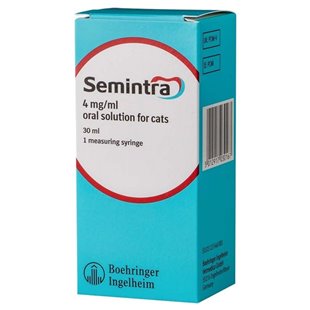
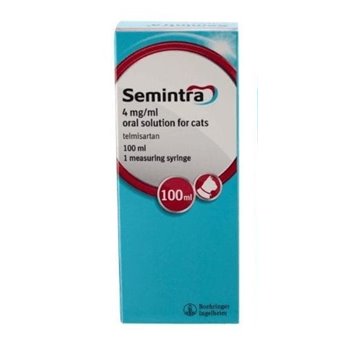
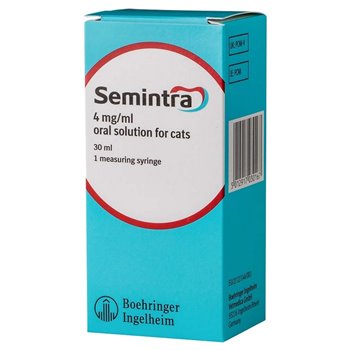
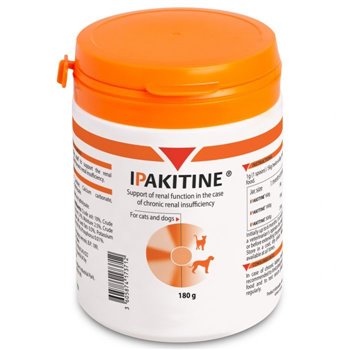
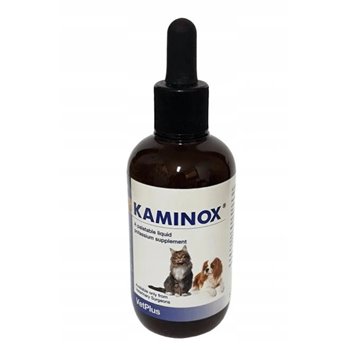
A renal diet is often central to management because carefully controlled phosphorus levels and appropriate high-quality protein can reduce kidney workload and support overall stability. Many vets encourage wet food, extra water with meals, multiple drinking stations, or even water fountains to improve hydration. Some cats also need medicines or supplements to reduce proteinuria, support blood pressure control, manage phosphate levels, correct hypokalaemia, or ease nausea. Depending on the case, this may include products such as Semintra, benazepril, phosphate binders, potassium supplementation, anti-emetics, or appetite stimulants. In later or more complicated cases, treatment may also address anaemia, metabolic acidosis, constipation, or recurrent urinary issues. The plan is always individual. A cat with stage 2 Chronic Kidney Disease and mild proteinuria may need something very different from a cat with advanced Chronic Kidney Disease, poor appetite, hypertension, and significant weight loss.
Daily care at home can make a difference to how a cat with Chronic Kidney Disease feels. Owners are often the first to notice subtle changes such as eating a bit less, finishing meals more slowly, drinking from unusual places, or producing heavier clumps in the litter tray. Keeping a simple record of weight, appetite, water intake, toileting, vomiting, and medication can help your vet adjust treatment before a small change becomes a bigger setback. Cats with Chronic Kidney Disease often do best when routines are calm and predictable, food is fresh and tempting, and water is always easy to reach. Warming food slightly, offering smaller frequent meals, and choosing wide shallow bowls may help if appetite is inconsistent. If tablets or liquids are prescribed, ask your veterinary team to show you the easiest way to give them, because successful long-term management depends on treatment being practical as well as clinically appropriate. Regular rechecks are essential, not because something is necessarily wrong, but because kidney disease can change quietly between obvious symptoms.
Life expectancy with Chronic Kidney Disease varies widely, and there is no single timetable that fits every cat. Some cats are diagnosed early on routine screening and remain comfortable for a long period with only diet changes and monitoring, while others are first diagnosed at a much later stage when they already have marked weight loss, dehydration, or hypertension. The most helpful way to think about Chronic Kidney Disease is as a condition that needs ongoing review, not as a fixed sentence from the day of diagnosis. Good days still matter, and so does comfort, appetite, hydration, and normal cat behaviour. If your cat has Chronic Kidney Disease, staying in touch with your vet, keeping follow-up appointments, and responding promptly to changes such as poor appetite, vomiting, weakness, or sudden lethargy can protect quality of life. Chronic Kidney Disease is serious, but it is also a condition where thoughtful home care, sensible monitoring, and timely treatment adjustments can genuinely help many cats feel brighter, steadier, and more comfortable in everyday life.
What are the early signs of Chronic Kidney Disease in cats?
Early signs can be subtle. Many cats start drinking more, passing larger amounts of urine, losing weight, or becoming less enthusiastic about food. You may also notice a dull coat, lower energy, or mild vomiting. These signs can overlap with other illnesses, so a veterinary check is important.
How long can a cat live with Chronic Kidney Disease?
There is no single answer because survival depends on stage, response to treatment, appetite, hydration, blood pressure, and other health problems. Some cats do well for years after diagnosis, especially when the disease is found early, while others need more intensive support much sooner.
What should cats with Chronic Kidney Disease eat?
Most vets recommend a renal diet once Chronic Kidney Disease is confirmed, especially from stage 2 onwards. These diets are designed to control phosphorus and provide appropriate high-quality protein. Wet food can also help with hydration. The best diet is one your cat will reliably eat.
Why do cats with Chronic Kidney Disease drink so much water?
Damaged kidneys lose some of their ability to concentrate urine, so more water is lost through the bladder. Cats then drink more to try to keep up. Increased thirst can be one of the first noticeable changes, even before a cat seems obviously unwell.
Does Chronic Kidney Disease cause vomiting in cats?
It can. As waste products build up in the bloodstream, some cats feel nauseous, go off their food, or vomit from time to time. Vomiting is not always present, and it can happen for many reasons, but it is a common sign that deserves veterinary advice.